

Teaching Kids About Money and Taxes: From Allowance to April 15th
Look, I get it. You're trying to explain why you can't just "buy all the Robux" while simultaneously fielding questions about why a chunk of your paycheck disappears before you even see it. Teaching kids about money is hard enough without adding taxes to the mix—but here's the thing: understanding taxes is actually one of the most practical life skills we can teach.
And honestly? Kids are ready for this conversation way earlier than we think. Especially if they're already negotiating Roblox trades or running a lemonade stand.
This isn't about turning your 8-year-old into a CPA. It's about building financial literacy in layers—starting with basic money concepts and gradually introducing the reality that money doesn't just disappear into a government void, it funds the stuff we use every day.
The goal is to demystify money and taxes so that by the time they're earning their first real paycheck (and see those deductions), they're not completely blindsided. Or worse, falling down some "taxation is theft" rabbit hole on YouTube because nobody explained it to them first.
Kids are handling money younger than ever—whether it's virtual currency in games, actual allowance, or birthday money burning a hole in their pocket. But most of us grew up with minimal financial education, and taxes? That was something you figured out in a panic at 23.
Here's what's changed:
- Digital money is everywhere: Kids see you tap to pay and think money is infinite
- In-game economies are complex: Fortnite V-Bucks and Minecraft Realms teach supply and demand, but also impulse spending
- They're watching you stress about money: They hear "we can't afford that" but don't understand the full picture
- Financial literacy isn't really taught in schools: Most kids graduate without understanding credit, taxes, or budgeting
The earlier you start these conversations, the more natural they become.
Ages 4-7: Money Exists and Has Value
Start simple. Money is how we trade for things we need and want.
- Use physical money when possible—coins and bills make it tangible
- Play store or restaurant at home
- Introduce the concept that grown-ups work to earn money
- When they ask "why can't we just get more money?", explain that you trade your time and skills for it
Tax intro: "Some of our money goes to pay for things we all share—like the playground, the library, and the fire trucks."
Ages 8-11: Earning, Saving, and Sharing
This is prime time for allowance or earning opportunities. Whether you tie it to chores or not is your call (no judgment either way), but the key is teaching that money is finite and choices matter.
- Introduce the three jars: Spend, Save, Share (or Save, Spend, Give—whatever works)
- Let them make small purchasing decisions and occasionally regret them (this is the cheap learning phase)
- Talk about sales tax when you're shopping: "See that $20 toy? It'll actually be $21.60 at the register"
Tax intro: "Remember how some of my paycheck goes to taxes? That money pays for schools, roads, police officers, and parks. It's like a membership fee for living here."
When you're at the park or library, casually mention: "This is what taxes pay for."
Ages 12-15: Real Money, Real Consequences
Middle schoolers can handle complexity. If they're old enough to want AirPods, they're old enough to understand budgeting.
- If they're earning money (babysitting, lawn mowing, etc.), help them track it
- Introduce percentages: "If you want to save 20% of what you earn..."
- Show them your paycheck stub (seriously): "Here's what I earned, here's what got taken out for taxes, and here's what I actually brought home"
- Talk about different types of taxes: income tax, sales tax, property tax
Tax intro: "You know how you pay sales tax when you buy something? Income tax is similar—when you earn money, a percentage goes to the government. The more you make, the higher percentage you pay on the top portions. It's called a progressive tax system."
This is also a great age to introduce the concept that some YouTubers they watch are actually running businesses and paying taxes on their income.
Ages 16+: Taxes Are Coming for You Too
If they have a job, they're paying taxes. Period. This is no longer theoretical.
- Help them fill out their W-4
- Explain withholding: "They take it out of each paycheck so you don't owe a giant bill later"
- Show them how to read a pay stub
- If they're doing gig work (tutoring, Depop sales, freelance design), explain that they need to track income and may owe taxes
- Introduce the concept of a tax return (and no, a refund is not free money—it's YOUR money you overpaid)
Real talk: If your teen is making money from streaming, YouTube, or selling digital art, they need to understand they're running a business. Yes, even if it's "just for fun." The IRS doesn't care about vibes.
Use real moments:
- Shopping trips: Point out sales tax
- Payday: Show them your pay stub
- Tax season: Don't hide in your office—explain what you're doing (age-appropriately)
- Playing Monopoly: Talk about property taxes and going to jail for tax evasion (okay, that's not technically in the game, but you get it)
Games and apps that actually help:
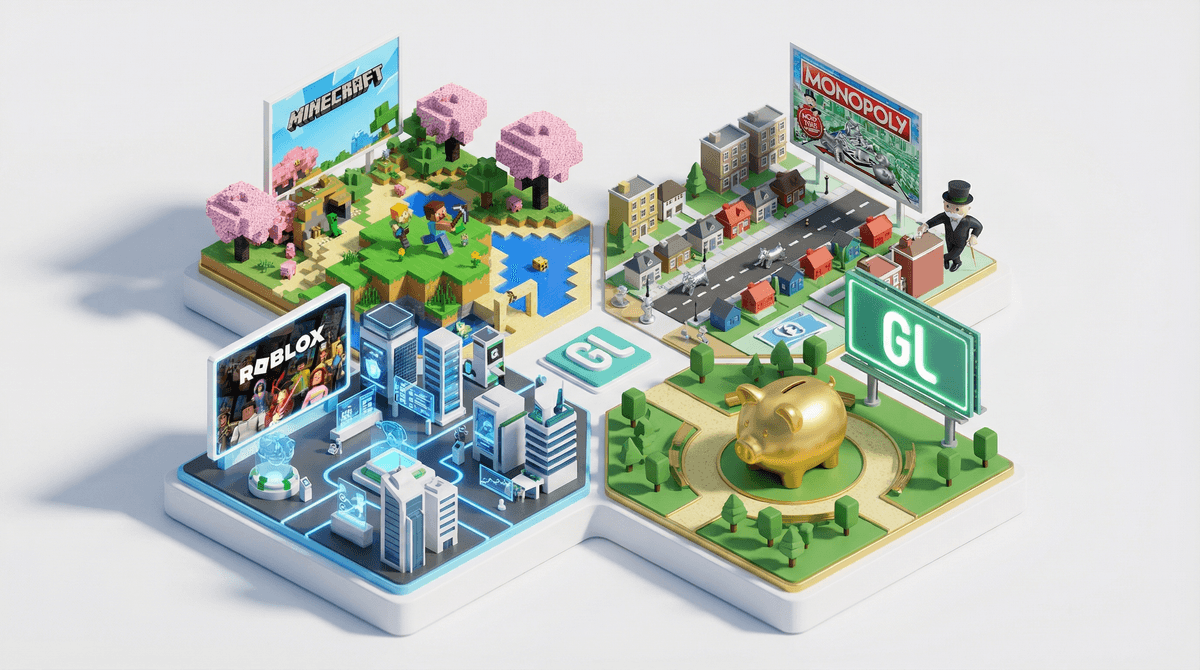
- Minecraft: Believe it or not, resource management and trading are solid economic lessons
- Roblox: If your kid is creating games, they can actually earn Robux and convert it to real money (taxable, btw)
- Bankaroo or Greenlight: Apps that teach budgeting and saving
- The Game of Life: Literally has a payday and taxes built in
Make it relatable:
- "You know how you have to share your Halloween candy with your sibling? Taxes are kind of like that, but for everyone in the community."
- "Remember when the city fixed that giant pothole on our street? Taxes paid for that."
You don't have to be a financial expert. You just have to be honest about money and willing to have the conversation. Kids can smell financial anxiety, and if we never talk about it, they'll fill in the gaps with TikTok financial advice (yikes).
It's okay to say "I don't know." Then look it up together. Learning about tax brackets as a family is actually a great bonding experience. (Okay, maybe not great, but educational at least.)
Don't make taxes the villain. Yes, it stings to see deductions on your paycheck. But framing taxes as pure theft teaches kids that contributing to society is bad. Instead, talk about what taxes fund—and sure, also talk about how we get to vote for people who decide how to spend it.
Connect it to their world: If they're mad about taxes, ask them if they'd want to live somewhere with no public schools, libraries, or fire departments. (Some teens will say yes to be edgy. Let them sit with that thought.)
Teaching kids about money and taxes isn't about creating tiny accountants. It's about building competence and confidence so they don't hit adulthood completely unprepared.
Start small. Be honest. Use real examples. Let them make mistakes with small amounts of money now so they don't make catastrophic ones later.
And hey, if your kid starts asking why billionaires pay a lower tax rate than regular people, congratulations—you've raised a critical thinker. That's a whole other conversation, but you're clearly doing something right.
- This week: Next time you're shopping, point out the sales tax on the receipt
- This month: If your kid gets allowance, introduce the three-jar system (or digital equivalent)
- This year: Show them your pay stub and explain the deductions
- Before they get their first job: Sit down and walk through what their paycheck will actually look like after taxes
You've got this. And if you need help explaining why Robux isn't actually free money or how much your kid's Fortnite habit is actually costing, Screenwise has your back.