

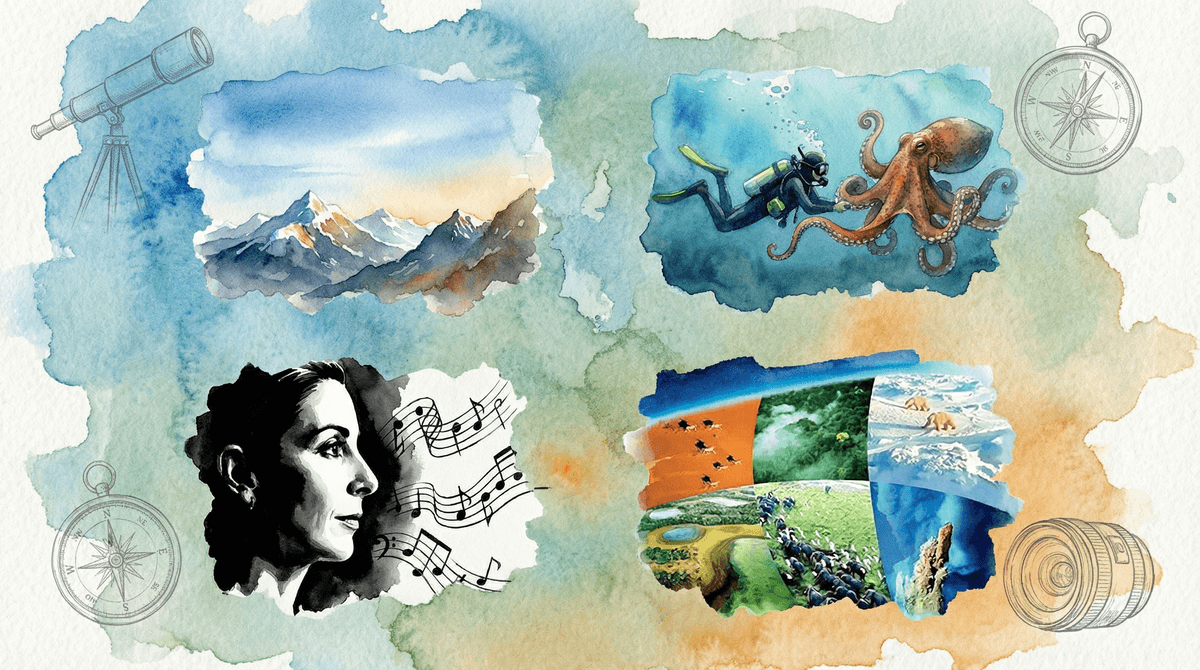
Look, we all know the drill. You suggest a documentary and your kid acts like you just assigned homework. But here's the thing: Hulu actually has some genuinely compelling documentaries that don't feel like vegetables. We're talking nature docs with cinematography so stunning your kids will look up from their phones, inspiring true stories that spark real conversations, and science content that makes learning feel like discovery rather than a lecture.
The sweet spot? Documentaries that teach something meaningful while being legitimately entertaining. No one's pretending these will compete with Roblox or the latest Marvel movie, but they can absolutely hold their own during family movie night—especially if you frame them right.
Documentaries do something most scripted content can't: they show real people, real places, and real challenges. Kids get to see how others live, what they overcome, and how the natural world actually works. It's empathy-building wrapped in storytelling.
Plus, in an age where kids are consuming endless short-form content and algorithmic feeds, sitting down for a 90-minute documentary builds attention span and critical thinking. They're learning to follow a narrative, absorb information, and (hopefully) ask questions afterward.
For Nature Lovers (Ages 6+)
Planet Earth series - If it's available on Hulu in your region, this is the gold standard. The footage is absolutely breathtaking, and David Attenborough's narration makes everything feel epic. Even younger kids will be mesmerized by the visuals, though some predator/prey sequences might be intense for sensitive viewers.
My Octopus Teacher - This one's a genuine tearjerker about a filmmaker who befriends an octopus in a South African kelp forest. Ages 8+ will appreciate the emotional journey, and it's a beautiful conversation starter about connection, nature, and letting go. Fair warning: there's a heartbreaking ending, so prep accordingly.
For Curious Minds (Ages 8+)
Free Solo - The documentary about rock climber Alex Honnold's attempt to climb El Capitan without ropes is absolutely gripping. It's basically a thriller disguised as a documentary. Best for ages 10+ because the tension is real, and you'll find yourself holding your breath. Great for conversations about risk, preparation, and pursuing passion.
The Social Dilemma - For tweens and teens (ages 12+), this is essential viewing. It breaks down how social media platforms are designed to be addictive, featuring interviews with the people who built these systems. It's a perfect entry point for conversations about screen time and digital wellness . Watch it together, then talk about what you both noticed.
For Sports Fans (Ages 10+)
The Last Dance - The Michael Jordan documentary series is compelling even if your kids have never watched a full basketball game. It's really about greatness, obsession, teamwork, and what it takes to be the best. Ages 10+ will get the most out of it, and it's a great way to introduce sports history without feeling like a history lesson.
For Aspiring Artists and Creators (Ages 8+)
Becoming - Michelle Obama's documentary is warm, inspiring, and gives kids a behind-the-scenes look at what it means to have a public life. It's particularly great for middle schoolers navigating identity and purpose.
McCartney 3, 2, 1 - If you've got a music-loving kid (ages 10+), watching Paul McCartney break down Beatles songs is pure magic. It's not just for Beatles fans—it's about creativity, collaboration, and the craft of making something meaningful.
Not all documentaries are created equal for family viewing:
- Intensity level: Nature docs can include predator/prey violence. True crime docs (obviously) aren't family fare. Check ratings and content warnings.
- Pacing: Some documentaries are slow burns. If you've got a younger kid (under 8), start with shorter, visually-driven content.
- Heavy topics: Documentaries about social issues, war, or tragedy might be important, but timing matters. A random Tuesday night might not be the moment for your 9-year-old to learn about climate change in graphic detail.
Set it up: Don't just spring a documentary on kids expecting Bluey. Give them context: "This is about a guy who climbs a mountain without ropes—it's basically a real-life action movie."
Make it cozy: Popcorn, blankets, dim lights. Create the movie theater vibe so it feels special, not educational.
Pause for questions: Unlike a narrative film, it's totally fine to pause a documentary to explain something or discuss what you're seeing. It makes it interactive rather than passive.
Follow their interests: If your kid is obsessed with ocean life, start there. If they're into music, try a music doc. Meeting them where they are makes all the difference.
- Ages 6-8: Stick with nature documentaries and visually-driven content. Keep it under 60 minutes.
- Ages 9-11: They can handle more complex narratives and some emotional weight. Sports docs, adventure docs, and biographical content work well.
- Ages 12+: Open it up to social issue documentaries, music and art docs, and content that challenges their thinking. This is prime territory for conversations about media literacy and critical thinking.
Documentaries aren't going to replace Minecraft or whatever show your kids are binging, and that's fine. But a well-chosen documentary can create a shared experience that actually sticks—the kind of thing your kid brings up weeks later or that sparks a genuine interest in a new topic.
Hulu's documentary library is solid, though it rotates, so what's available changes. The key is finding that intersection between what's educational and what's genuinely compelling. When you nail it, you're not just watching something together—you're opening a door to curiosity, empathy, and understanding.
Start with one documentary this month. Let your kid help choose based on their interests. Watch it together, ask what they thought, and see where it leads. You might be surprised by what captures their attention—and what conversations emerge afterward.
And if they hate it? Try again next month with something different. Not every documentary will land, and that's completely normal. The goal isn't to turn screen time into school—it's to show that learning can be as engaging as any story.