

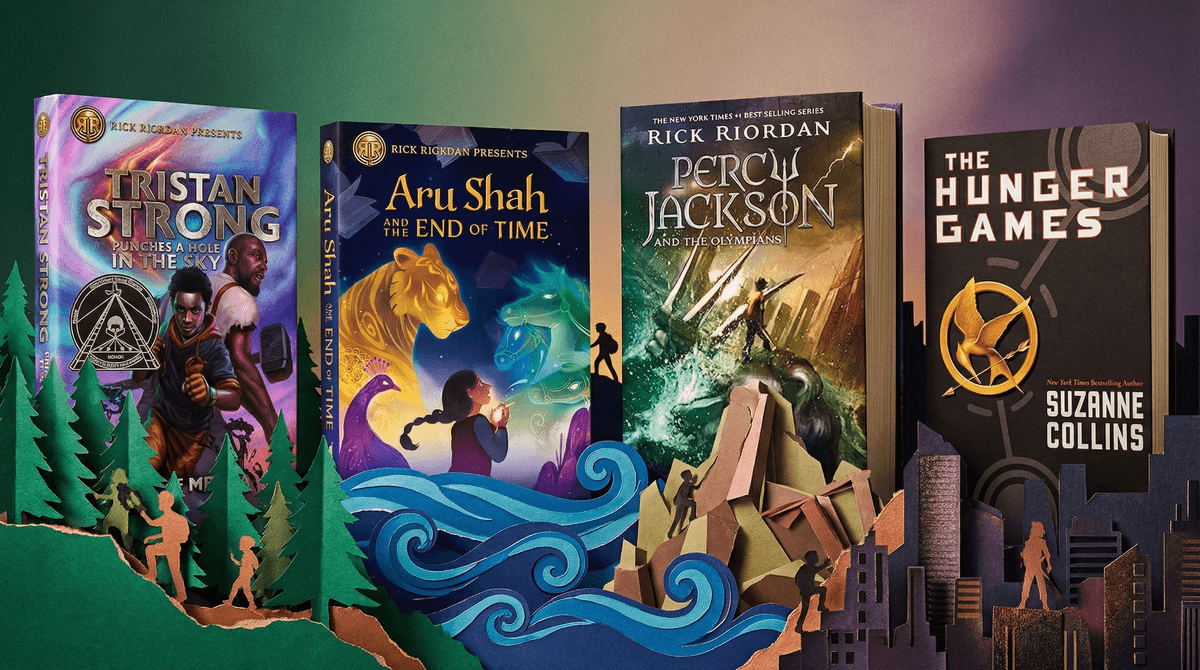
Look, I get it. Your kid can scroll through TikTok for three hours straight but claims they're "too tired" to read for 15 minutes. The battle is real. But here's the thing: finding the right book series for tweens isn't just about getting them off screens—it's about giving them something that actually competes with the algorithm.
The best tween book series hook kids the same way Roblox or YouTube does: they create worlds kids want to return to, characters they genuinely care about, and stories that leave them wanting more. The difference? Books build attention spans, develop empathy, and create space for their brains to actually process complex emotions instead of just reacting to the next dopamine hit.
So let's talk about series that actually work—the ones tweens are passing around at school, staying up late to finish, and talking about at lunch.
There's a reason series work better than standalone books for this age group. Series create the same "just one more episode" feeling that keeps kids binging shows, except they're building reading stamina instead of passive consumption habits.
A good series gives tweens:
- Familiar characters they can grow with (and let's be honest, tweens need that stability)
- Progressively complex themes that match their developing brains
- Built-in motivation to keep reading (no parent nagging required)
- Social currency at school (yes, books can be cool)
Percy Jackson & the Olympians by Rick Riordan
This is the gateway drug. If your kid thinks reading is boring, start here. Percy is funny, flawed, has ADHD, and fights monsters while learning about Greek mythology. The series grows with readers—book one works for 9-year-olds, but by the end you're dealing with genuine moral complexity.
Why it works: Fast-paced, genuinely funny, and makes kids feel smart for catching mythology references. Plus there are like 15 related series in the same universe, so once they're hooked, you're set for years.
Harry Potter by J.K. Rowling
Yes, it's been around forever. Yes, there's controversy around the author. But here's the truth: this series still converts non-readers into readers like nothing else. The world-building is unmatched, and the books literally grow up with kids—book one is middle grade, book seven is genuinely dark.
Ages 8-14 (though maybe wait on the later books for younger kids—Cedric's death hits hard)
The Hunger Games by Suzanne Collins
For your older tweens (12+) who think they're too mature for "kid stuff." This series tackles heavy themes—war, propaganda, trauma—but does it in a way that's accessible and gripping. Fair warning: it's intense. Kids will have questions.
Why it matters: It's one of the few series that actually makes tweens think critically about media manipulation and power structures. In our current digital landscape? That's not nothing.
Wings of Fire by Tui T. Sutherland
Don't sleep on this one just because it's about dragons. This 15-book series has a massive tween following (especially ages 9-12) and tackles themes of war, prejudice, and identity through different dragon tribe perspectives. Each book switches narrators, which keeps things fresh.
Why kids love it: Complex world-building, moral ambiguity, and yes, dragons. It's like Game of Thrones for the middle school set, minus the inappropriate stuff.
Keeper of the Lost Cities by Shannon Messenger
This is the series your kid's friends are probably already reading. Think Harry Potter meets spy thriller with an elf twist. Nine books (and counting), each one a legitimate doorstop, but tweens devour them.
Ages 10-14. Great for kids who want something dense and complex they can really sink into.
Graphic novel lovers: Try Amulet by Kazu Kibuishi or The Baby-Sitters Club graphic novels—yes, they're still books, and yes, they count.
Mystery fans: The Inheritance Games by Jennifer Lynn Barnes is basically Knives Out for tweens (ages 12+), and it's addictive.
Fantasy but make it diverse: Aru Shah by Roshani Chokshi (Hindu mythology) or Tristan Strong by Kwame Mbalia (African and African American folklore) bring the Percy Jackson formula to different mythologies.
Realistic fiction: The Penderwicks by Jeanne Birdsall is gentle, funny, and perfect for kids who aren't into fantasy (ages 8-12).
Reading levels vs. interest levels: Just because your 10-year-old can read at a 7th grade level doesn't mean they're ready for all 7th grade content. The Hunger Games is technically "young adult" but deals with some genuinely dark themes. Use your judgment.
Series commitment is real: Some of these series are 5+ books of 400+ pages each. That's great for building stamina, but don't start The Hunger Games the week before a big family trip unless you want a zombie child who refuses to look up from their book.
Let them reread: If your kid wants to read Percy Jackson for the third time instead of starting something new, that's actually fine. Rereading builds fluency and comprehension. It's like comfort food for their brain.
Physical books vs. e-readers: This is personal preference, but there's something about a tween carrying around a massive fantasy novel that builds identity. "I'm a reader" becomes part of who they are. E-readers are great for travel though.
The best book series is the one your kid will actually read. Period. Don't force the classics if they're not clicking. Don't judge the dragon books. Don't worry if they're "below level" or "too advanced."
The goal isn't to create a literary scholar—it's to build a habit of sustained attention, deep engagement, and internal imagination in a world that's constantly trying to fragment their focus.
Every hour your tween spends in Camp Half-Blood or Panem or the Lost Cities is an hour their brain is doing something fundamentally different than scrolling. They're building worlds in their mind instead of consuming pre-built content. They're developing patience for delayed gratification. They're learning that some stories are worth the wait.
That's not anti-screen. That's just pro-brain.
Start with one book. See if it clicks. If it doesn't, try another. Check out alternatives to screen time for more ways to compete with the algorithm, or learn how to build reading habits that actually stick.
And hey—maybe read the series yourself. Not because you need to vet it (though that's fine too), but because having an actual conversation about whether Katniss should have ended up with Peeta or Gale is genuinely more interesting than asking "how was school today?"