

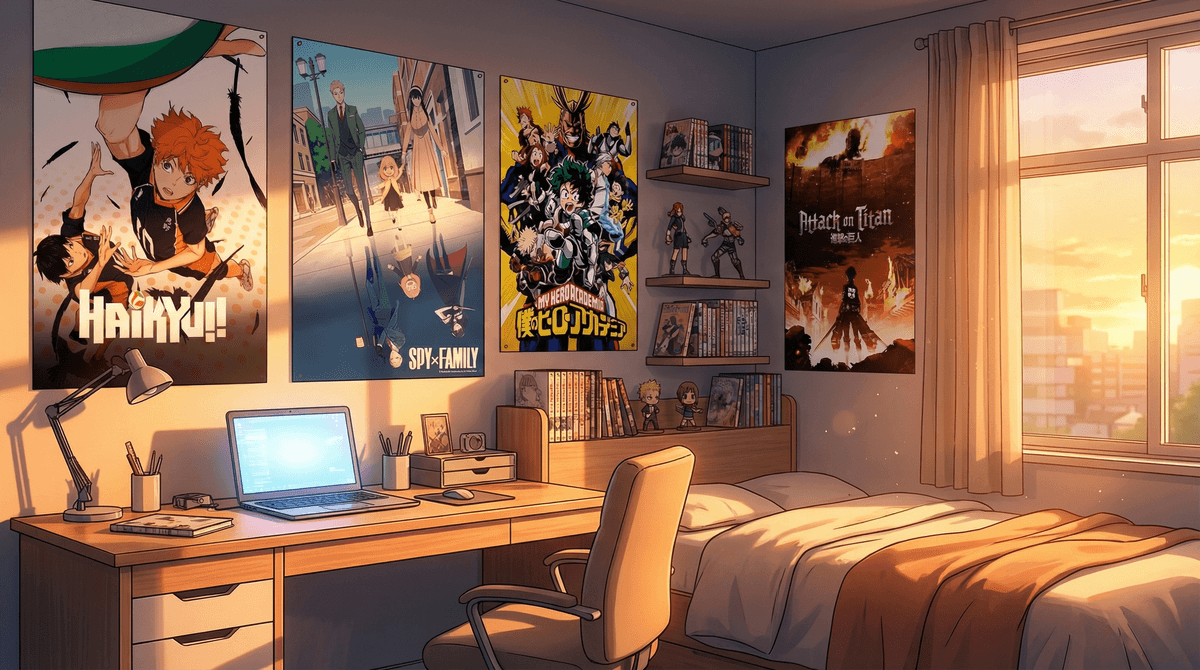
Anime is Japanese animation, and if your teen hasn't discovered it yet, just wait. It's one of the most popular forms of entertainment for teens worldwide, with streaming platforms like Crunchyroll, Netflix, and Hulu all investing heavily in anime content.
Unlike American cartoons that are often designed primarily for kids, anime spans every genre imaginable: action, romance, horror, comedy, sci-fi, fantasy, slice-of-life drama. Think of it less like "cartoons" and more like "TV shows that happen to be animated." Some anime is absolutely appropriate for young kids (My Neighbor Totoro, Pokémon). Some is squarely teen territory. And some is decidedly adults-only.
This is where parents get tripped up. The animation style can make everything look kid-friendly, but content-wise? Not always.
Anime resonates with teens for a few key reasons:
The storytelling is different. Anime often tackles complex themes like identity, mortality, friendship, and moral ambiguity in ways that Western media sometimes glosses over. Characters die. Heroes make mistakes. The good guys don't always win.
The art style is distinctive. Whether it's the hyper-detailed fight sequences in Attack on Titan or the gorgeous, emotional landscapes in Your Name, anime has a visual language that feels fresh and different from what they see everywhere else.
It's a community thing. Watching anime isn't just passive entertainment—it's a gateway to fan communities, cosplay, conventions, online discussions, and creative expression. Your teen isn't just watching a show; they're joining a culture.
The characters feel real. Anime protagonists often struggle with anxiety, depression, self-doubt, and social awkwardness in ways that feel authentic to teen experiences. Even in fantasy settings, the emotional beats hit hard.
Here's where things get messy: anime uses different rating systems than American TV, and those ratings don't always translate cleanly.
Japanese ratings:
- G (All Ages)
- PG (Parental Guidance)
- PG-12 (Not for children under 12)
- R-15+ (Not for children under 15)
- R-18+ (Adults only)
American streaming platforms sometimes slap on their own ratings (TV-14, TV-MA), but these can be inconsistent. A show rated TV-14 in the U.S. might have content you'd consider TV-MA. A show rated TV-MA might just have one scene that pushed it over the edge, but otherwise be fine for mature 15-year-olds.
The real issue? Anime doesn't shy away from violence, sexual themes, or disturbing imagery the way American animation typically does. A teen-targeted anime might include:
- Graphic violence and blood (sometimes a lot of blood)
- Fan service (sexualized character designs, particularly female characters)
- Dark psychological themes
- Body horror
- Mature philosophical or political content
This doesn't make anime "bad"—it makes it different. But it means you can't just look at a rating and call it a day.
Ages 13-14: Start with shonen (aimed at teen boys) and shojo (aimed at teen girls) that have clearer age ratings:
- My Hero Academia - Superheroes, coming-of-age, generally positive themes (some violence)
- Demon Slayer - Action-packed but with strong family themes (note: graphic violence)
- Haikyuu!! - Sports anime about volleyball, surprisingly compelling
- Fruits Basket - Romance and drama with emotional depth
Ages 15-17: More mature themes become appropriate for many teens:
- Death Note - Psychological thriller with moral complexity
- Fullmetal Alchemist: Brotherhood - Fantasy adventure with heavy themes about war and loss
- Your Lie in April - Beautiful but emotionally devastating story about music and grief
- Spy x Family - Action-comedy with found family themes
Hard passes for most teens: Shows like Attack on Titan (extreme violence, disturbing imagery), Tokyo Ghoul (body horror, graphic violence), or anything labeled "ecchi" (sexualized content) need serious consideration even for older teens.
Watch the first episode together. Seriously. Anime often establishes its tone and content level right away. If you're uncomfortable in episode one, it's probably not going to get tamer.
"Fan service" is a real thing. Many anime include sexualized character designs, camera angles, or scenes that serve no narrative purpose beyond titillation. This ranges from mildly annoying to deeply uncomfortable. Some shows that are otherwise excellent have this problem (Fire Force, for example). Decide what your family's tolerance is.
Subtitles vs. dubbed. Most anime fans prefer watching with original Japanese audio and English subtitles. Dubbed versions (English voice acting) exist but are often considered inferior. The subtitle preference means your teen is actually reading while watching, which is... not the worst thing?
It's not a phase, probably. Anime fandom tends to stick. If your teen gets into it, this might be a long-term interest, and that's actually fine. There's worse things than being passionate about storytelling, art, and a global community.
Studio Ghibli is your friend. If you want to understand the appeal without diving into teen-targeted content first, watch Spirited Away or Howl's Moving Castle together. These are masterpieces that work for all ages.
-
Isekai overload: "Isekai" means "another world" and refers to shows where a character is transported to a fantasy realm. Many of these are fine, but some include problematic elements (harems, unhealthy power dynamics). Not all isekai is bad, but if your teen is watching only isekai, maybe diversify.
-
Loli/shota content: These terms refer to sexualized depictions of children or child-like characters. This is a hard no. If you encounter this, that's not "just anime culture"—that's a boundary worth enforcing.
-
Toxic masculinity tropes: Some shonen anime perpetuate "might makes right" philosophies or feature male protagonists who treat women poorly. Talk about what you're seeing.
Instead of "Is this appropriate?", try "What do you like about this show?" Listen to what draws them in. Is it the friendships? The action? The art? The humor?
Ask about content that concerns you: "I noticed there's a lot of violence in this one. How do you feel about that?" or "The way female characters are drawn makes me uncomfortable. What do you think about it?"
Create space for them to be critical viewers. Teens can enjoy something while also recognizing its flaws. You can help them develop that media literacy .
.
Anime isn't inherently better or worse than any other form of media—it's just different, with different conventions and norms. The animation style can be deceiving, so you need to look deeper than surface-level ratings.
The good news? There's genuinely excellent storytelling happening in anime. Shows that tackle grief, identity, friendship, and growing up with nuance and emotional honesty. Your teen's obsession might actually introduce them to narratives they wouldn't encounter elsewhere.
The work for you is the same as with any media: pay attention, watch together when you can, have conversations about what you're seeing, and set boundaries based on your family's values—not on whether something is animated or live-action.
Start here:
- Ask your teen what anime they're currently watching or want to watch
- Look it up on Common Sense Media or check parent reviews
- Watch the first episode together (or on your own if they'll die of embarrassment)
- Check out our guide to streaming platforms and parental controls to see what tools are available
- Have an honest conversation about content boundaries—violence, sexual content, themes—and why those boundaries matter to your family
And hey, you might actually end up enjoying some of this stuff. Spy x Family is genuinely delightful. Just saying.