

Let's start with the basics: anime is Japanese animation, and manga is Japanese comics. That's it. But also... that's like saying "books" or "movies" — it's a whole medium, not a genre.
Anime can be anything from wholesome slice-of-life stories about kids running a school club to intense sci-fi battles to romantic comedies to psychological thrillers. Same with manga. The art style is distinctive (you know it when you see it — the big eyes, the dramatic hair, the speed lines), but the content range is massive.
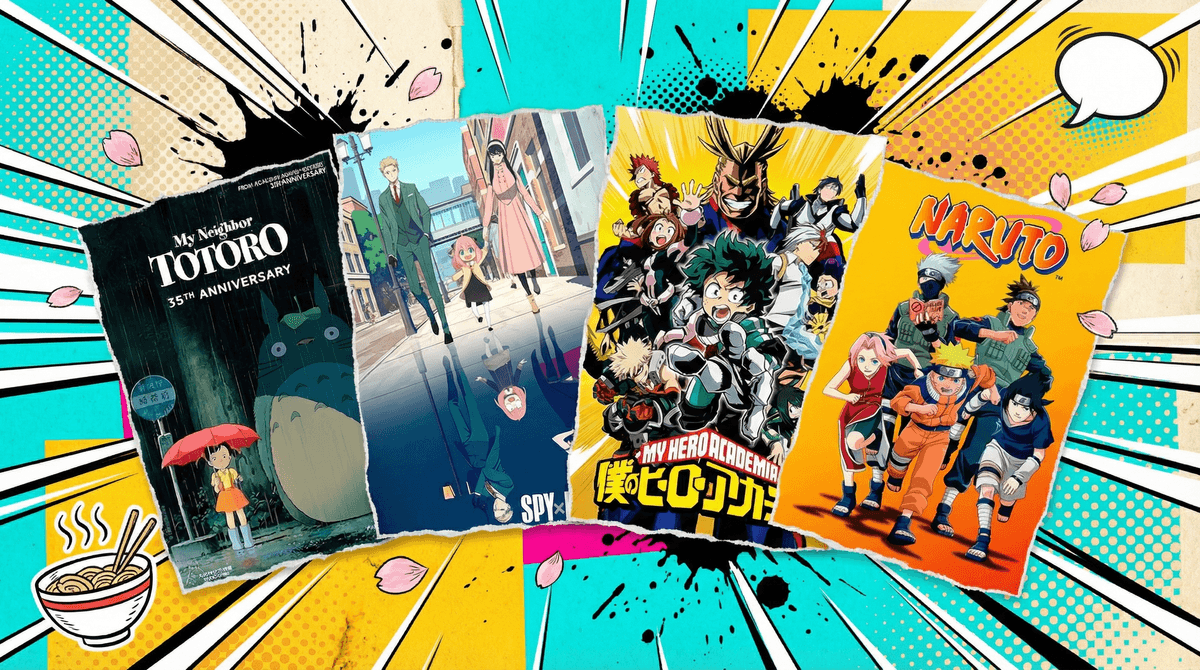
Your kid might be watching My Hero Academia (superhero school), reading Naruto (ninja adventures), or obsessing over Spy x Family (wholesome spy comedy with a found family). Or they might be into something you've never heard of that has 400 episodes and a fandom that could populate a small country.
Here's what makes anime/manga different from Western animation and comics: in Japan, these aren't just "for kids." There's anime for preschoolers, teens, adults, and everyone in between. Which means the content ratings actually matter here, unlike how we slap "TV-Y7" on everything animated in the US and call it a day.
The honest answer? Anime and manga often take young people seriously in a way Western media doesn't.
The protagonists are usually teens or young adults dealing with real emotions — friendship, failure, identity, loss, ambition. Yes, they might be doing it while fighting demons or piloting giant robots, but the emotional core is genuine. Characters have complex motivations. Story arcs actually develop over time. Deaths matter. Consequences exist.
Also, the visual storytelling is just different. The pacing, the dramatic pauses, the way action sequences flow, the expressive reactions — it hits differently than Western animation. Kids who grew up on Pixar and Disney suddenly discover this whole other aesthetic language, and it feels fresh.
And let's be real: the fan culture is incredible. Cosplay, fan art, conventions, online communities, AMVs (anime music videos — yes, that's a whole thing). If your kid is creative or looking for their people, anime fandom is a pretty welcoming place to land.
Okay, this is where parents need to pay attention because the rating system is completely different from what you're used to.
Japanese ratings:
- G (All ages)
- PG (Parental guidance)
- PG-13 (13+)
- R (17+, violence/profanity)
- R+ (Mild nudity)
But here's the catch: these are Japanese cultural standards, which are different from American ones. Japan is more relaxed about nudity and bathing scenes (public baths are normal there) but stricter about certain violence. So something rated PG in Japan might feel more like PG-13 here.
When anime comes to the US, it gets re-rated for platforms like Netflix, Crunchyroll, or Funimation. Look for:
- TV-Y7 or TV-G (actually for kids)
- TV-PG (usually fine for 10+, but check)
- TV-14 (this is where most popular shonen anime lands)
- TV-MA (nope, not for kids, this is adult content)
Common Sense Media is your friend here. They break down content by violence, language, sexual content, and positive messages. Use it.
Not all anime is Pokémon or Studio Ghibli movies. Some common content issues:
Fan service: This is the industry term for gratuitous sexualized content — usually female characters in revealing outfits, camera angles focused on bodies, or "accidental" situations. It's often played for comedy. It ranges from mild (slightly revealing costumes) to absolutely not okay for kids. This shows up in shows that are otherwise age-appropriate, which is frustrating.
Violence: Can range from cartoon-style combat to genuinely graphic. Attack on Titan is popular with teens but features people being eaten by giants in disturbing detail. Know what you're signing up for.
Mature themes: Depression, suicide, existential dread, war trauma — anime doesn't shy away from heavy topics. Sometimes this is handled beautifully and age-appropriately. Sometimes it's not.
Cultural differences: Public bathing scenes, different social norms around physical affection, school dynamics that don't translate directly. Usually harmless but worth contextualizing.
Ages 7-10:
- My Neighbor Totoro and other Studio Ghibli films
- Pokémon
- Doraemon
- Little Witch Academia
Ages 11-13:
- My Hero Academia (superhero school, action but not too intense)
- Haikyuu!! (volleyball anime, surprisingly compelling)
- Spy x Family (wholesome, funny, great family dynamics)
- Demon Slayer (gorgeous animation, but note: demon violence, some scary imagery)
Ages 14+:
- Fullmetal Alchemist: Brotherhood (complex story, mature themes, incredible)
- Death Note (psychological thriller, no graphic violence but dark themes)
- Your Name (beautiful romance/sci-fi film)
Hard pass for kids: Anything with "ecchi" in the genre tags, most "harem" anime, Neon Genesis Evangelion (looks like robot show, is actually psychological breakdown), anything rated TV-MA.
Watch with them, at least at first. You don't need to become an anime expert, but watching a few episodes together gives you context for what they're into and opens up conversations.
The manga is often different from the anime. Sometimes the manga is more mature, sometimes less. They're not interchangeable. If your kid wants to read the manga of a show they watch, check it separately.
Subtitles vs. dubbed: Most anime is originally in Japanese. "Subbed" means Japanese audio with English subtitles. "Dubbed" means English voice actors. Fans have strong opinions. Your kid will probably prefer subbed once they're old enough to read quickly. Either is fine.
The fandom is real. Your kid might want to go to anime conventions, buy merch, create fan art, or watch hours of YouTube videos analyzing their favorite shows. This is normal and generally positive — it's creative community engagement. Just monitor online interactions like you would anywhere else.
Streaming services matter. Crunchyroll and Funimation are the main anime platforms. Netflix has a growing library. These services have parental controls — use them. Also, some anime sites are... not legal and full of malware. Teach your kids to stick to legitimate platforms.
It's okay to say no. If your 12-year-old wants to watch something rated TV-MA because "everyone at school watches it," you can say no. You can have a conversation about why , offer age-appropriate alternatives, and revisit when they're older.
Anime and manga aren't inherently better or worse than Western media — they're just different, with different cultural contexts and a much wider age range of content. The key is knowing that "anime" doesn't mean "for kids" and actually checking what your kid is watching or reading.
The good news? There's genuinely incredible storytelling in this medium. Shows that teach perseverance, friendship, dealing with failure, standing up for what's right. Stories with disabled protagonists, complex female characters, and emotional depth. Your kid's obsession with Naruto might actually be about watching a character grow from an outcast to a hero through hard work and friendship. That's not nothing.
Start with age-appropriate titles, watch together, use rating resources, and keep the conversation open. And hey, you might actually enjoy some of it. Spy x Family is genuinely hilarious, and everyone cries during Your Name. You've been warned.
- Check what your kid is currently watching using this guide to parental controls on streaming services
- Look up specific titles on Common Sense Media before saying yes
- Ask your kid to show you their favorite show and explain why they love it — you'll learn a lot
- Learn more about managing screen time around binge-worthy content if your kid is watching 6 episodes in a row