

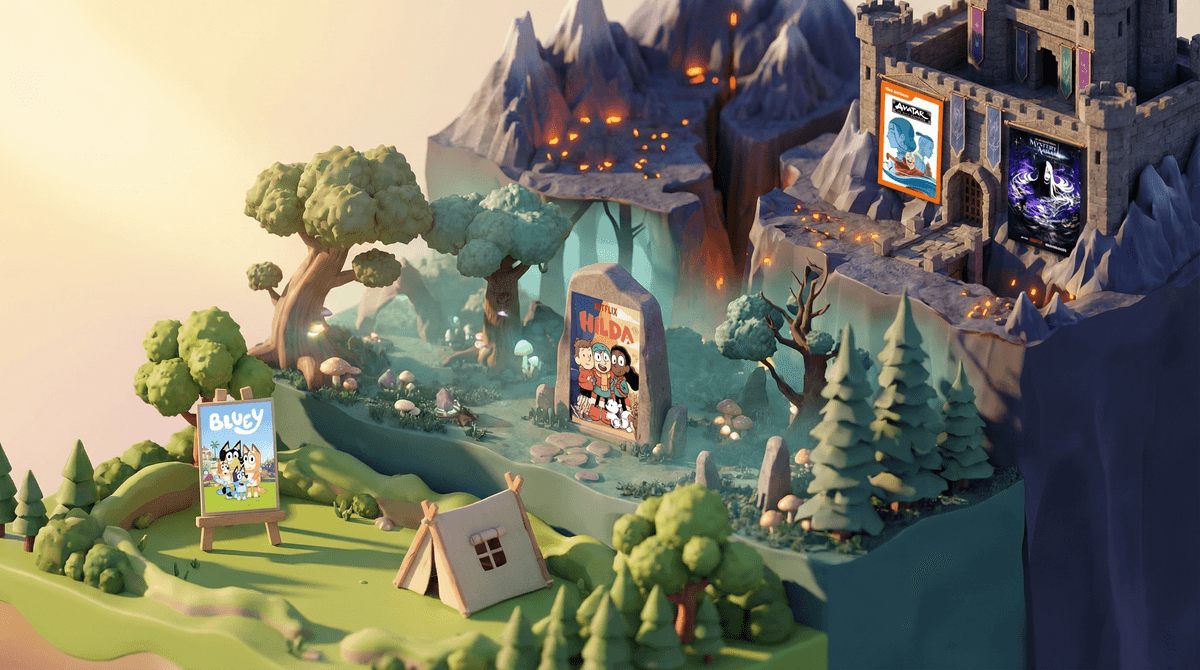
Adventure TV shows are the sweet spot where excitement meets storytelling—think quests, exploration, mystery-solving, and characters facing real stakes. We're talking everything from Avatar: The Last Airbender to Bluey's "camping episode" (yes, even that counts as adventure for the preschool set).
But here's where it gets tricky: adventure content exists on a spectrum. On one end, you've got gentle exploration with minimal conflict. On the other, you've got intense action sequences, real danger, and emotional stakes that can leave some kids lying awake at night replaying scenes.
The challenge isn't finding adventure shows—Netflix, Disney+, and every other streaming service is packed with them. The challenge is finding the right level of thrill for your specific kid's emotional development, anxiety tendencies, and processing abilities.
Adventure shows hit different because they offer something kids desperately want: agency and competence in a world where they control very little. When your 8-year-old watches characters their age solving mysteries, outsmarting villains, or navigating dangerous situations, they're essentially doing emotional weightlifting.
Good adventure content teaches:
- Problem-solving under pressure (how do we get out of this?)
- Teamwork and loyalty (we're in this together)
- Resilience (we failed, now what?)
- Moral complexity (sometimes there aren't easy answers)
But kids also love adventure shows because, let's be honest, they're exciting. The dopamine hit from a chase scene or cliffhanger is real. And that's not inherently bad—unless the stimulation level consistently outpaces their ability to emotionally regulate afterward.
Here's the thing about adventure content: chronological age matters less than emotional age. Some 6-year-olds can handle The Wild Robot without blinking. Others will need to process that mama bear scene for weeks.
Ages 3-5: Gentle Stakes, Big Feelings
At this age, "adventure" means exploring new places with trusted characters and facing small challenges with guaranteed happy endings.
Green lights:
- Bluey (especially episodes like "Camping" and "Creek")
- Octonauts (rescue missions with zero actual danger)
- Tumble Leaf (gentle exploration and discovery)
What to avoid: Anything with sustained peril, scary villains, or separation from caregivers as a major plot point.
Ages 6-8: Real Problems, Manageable Solutions
This is when kids can start handling stories where characters face actual obstacles—but they still need clear resolution and emotional safety nets.
Solid choices:
- Hilda (magical creatures, real stakes, but ultimately cozy)
- The Last Kids on Earth (zombie apocalypse that's more funny than scary)
- Kipo and the Age of Wonderbeasts (post-apocalyptic but surprisingly optimistic)
Watch for: Some kids this age will get stuck on "what if" scenarios. If your kid is asking anxious questions days later, the stakes might be too high.
Ages 9-12: Complex Stakes, Emotional Depth
This age group can handle moral ambiguity, longer story arcs, and characters who make real mistakes with real consequences.
Strong picks:
- Avatar: The Last Airbender (the gold standard for a reason)
- The Dragon Prince (war, loss, but handled thoughtfully)
- Gravity Falls (mystery-solving with genuine creepiness)
The nuance: Even within this age range, there's huge variation. A sensitive 11-year-old might struggle with The Hunger Games while a emotionally mature 9-year-old handles it fine.
Ages 13+: Adult Themes, Teen Protagonists
Once kids hit middle school, they're often ready for adventure content that doesn't pull punches—but that doesn't mean everything marketed to teens is appropriate.
Worth watching:
- The Owl House (fantasy adventure with LGBTQ+ representation)
- She-Ra and the Princesses of Power (war, trauma, healing)
- Arcane (stunning animation, but genuinely intense)
Red flags: Violence that feels gratuitous rather than story-driven, or emotional manipulation designed to keep teens watching rather than serve the narrative.
Forget the content ratings—they're inconsistent at best. Instead, look for these specific elements:
Pacing and intensity: Does the show give kids breathing room between intense moments? Or is it constant stimulation with cliffhangers every 3 minutes?
Emotional resolution: Do characters process what happens to them? Or do they just move on to the next crisis without acknowledging feelings?
Humor balance: Adventure shows that mix in genuine humor (not just slapstick) help kids regulate during tense moments.
Character competence: Are the kid characters solving problems through cleverness and teamwork? Or are they constantly being rescued by adults?
Consequences that matter: Do actions have weight? Or is everything magically fixed by the end of each episode?
Here's what actually works: watch the first episode or two together. Not hovering, not interrogating—just sharing the experience. You'll quickly learn:
- How your kid processes tension (do they laugh it off? get quiet? ask questions?)
- Whether the stakes feel manageable for them
- If they're engaged with the story or just overstimulated
For shows with longer arcs, check in every few episodes. A casual "What's happening with [character]?" tells you way more than "Is this show okay?"
You'll know the balance is off when:
- Your kid is acting out scenes aggressively rather than imaginatively
- They're anxious about scenarios from the show days later
- They're binge-watching to the point of emotional dysregulation
- They can't engage with lower-stimulation content anymore
This doesn't mean the show is "bad"—it might just be too much, too fast, for right now. Learn more about managing binge-watching habits .
.
The best adventure shows for kids aren't the ones with the most action or the highest production values. They're the ones that match your specific kid's emotional bandwidth while still offering genuine excitement and growth.
Your next steps:
- Start with shows that are slightly below what you think your kid can handle—you can always level up
- Watch together initially to gauge their processing
- Talk about what happens in the show, not just whether they "liked it"
- Be willing to pause a series if it's too much right now (they'll grow into it)
And remember: there's no prize for exposing your kid to intense content before they're ready. The goal isn't to toughen them up—it's to give them stories that expand their world without overwhelming their nervous system.
Want personalized recommendations based on your kid's specific age and sensitivities? Check out our adventure show recommendations or explore alternatives to shows that might be too intense.