The "Cozy Apocalypse" Fantasy
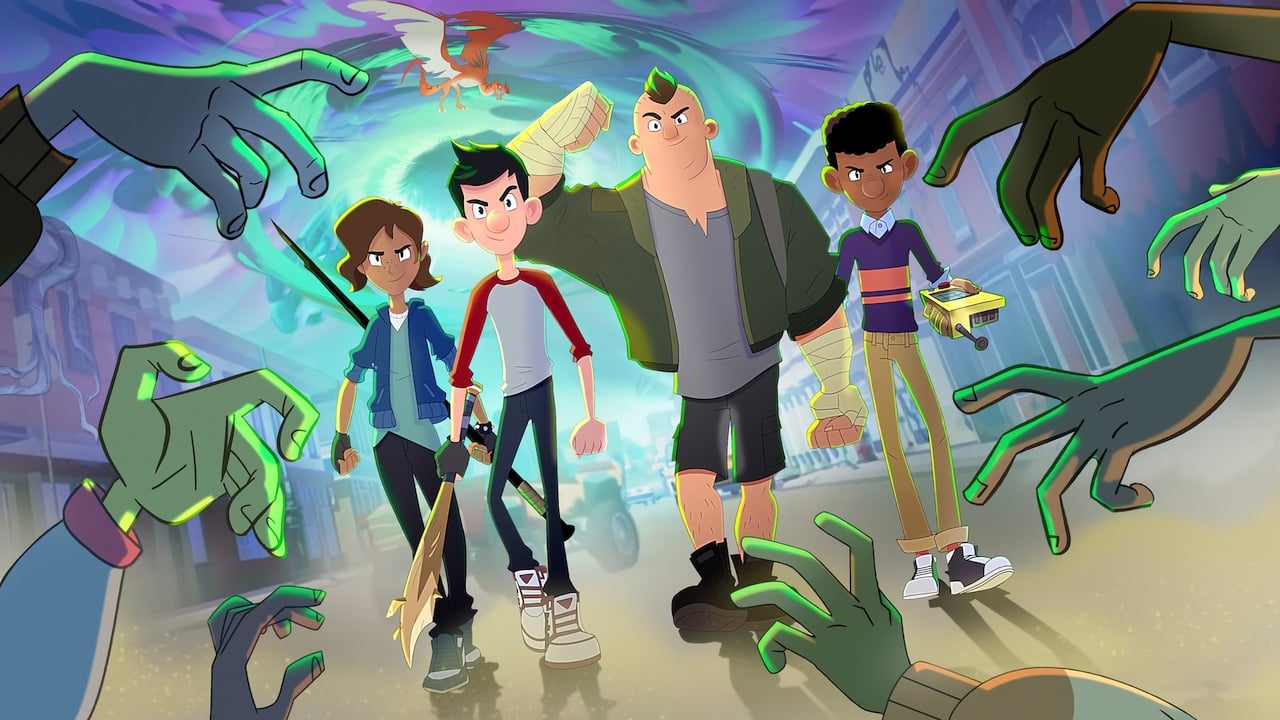
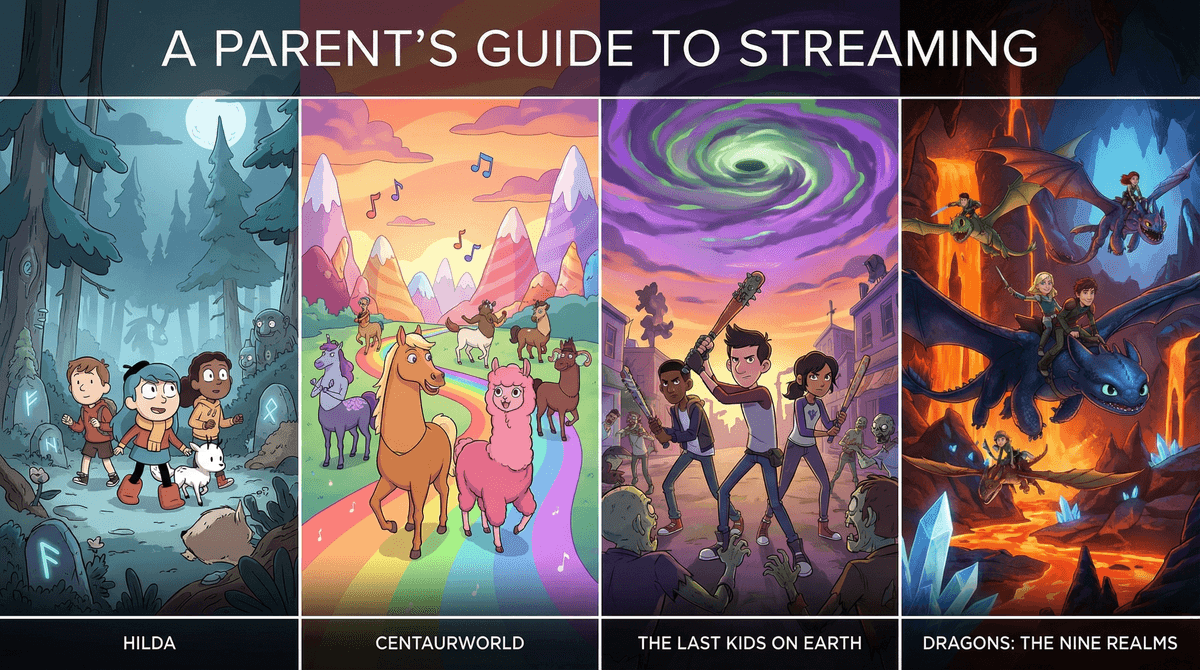
Jack Sullivan is essentially every kid’s id. He’s got no school, no chores, a tricked-out tree house, and a Best Buy’s worth of electronics. It is the ultimate "home alone" fantasy scaled up to a global catastrophe. While the zombies are everywhere, they aren't the brain-eating, existential-dread type you’d see in adult media. They function more like obstacles in a platformer or enemies in a boss fight.
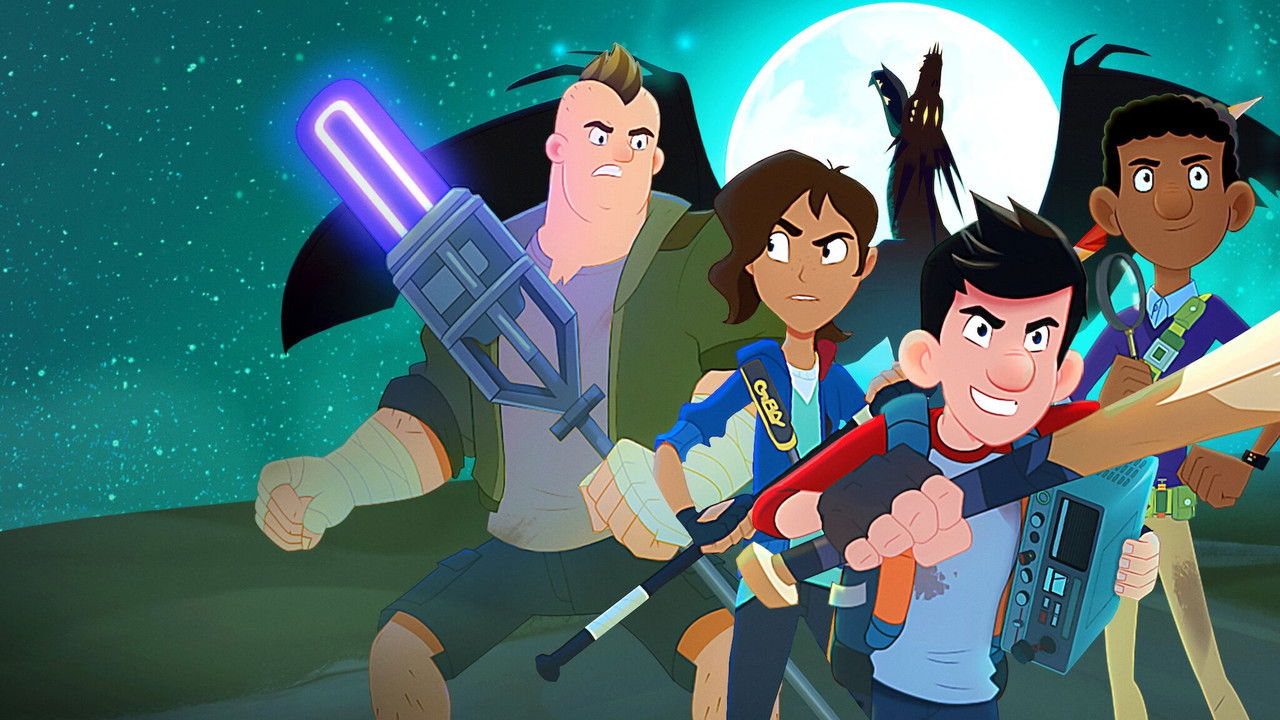
This makes the show a perfect entry point for kids who want to feel grown-up by watching something with monsters but aren't ready for the actual trauma of more mature horror. It lives in that scary show sweet spot where the stakes feel real to a ten-year-old but rarely lead to a midnight wake-up call. The "violence" is kinetic and loud, mostly involving Jack swinging a glowing sword at blobby, colorful monsters, but it’s rarely mean-spirited or gory.
The Gateway to Reading
One of the best ways to use this show is as a bridge between reading and screen time. The animation style stays very loyal to the visual energy of the original books. If you have a kid who treats reading like a chore, letting them binge a few episodes and then handing them the next book in the series is a classic "Trojan horse" literacy move.
The humor also leans heavily into the sarcastic, self-aware tone that makes the Diary of a Wimpy Kid series so popular. For a deeper look at why this specific series works so well for reluctant readers, check out our breakdown of how the books lead kids to the show. It’s a solid choice for 8-year-olds on Netflix who are starting to move away from "little kid" cartoons but aren't quite ready for teen drama.
Lean Into the Interactive Side
If you’re worried about your kid just zoning out and rotting their brain in front of a screen, look for the interactive special, Happy Apocalypse to You. It uses a "choose your own adventure" mechanic that forces kids to make decisions for Jack and the crew. It’s a great way to turn passive viewing into active engagement.
You can use these moments to talk about the logic of their choices. Why did they choose to fight the monster instead of sneaking past? What happens when a plan fails? It’s not exactly a philosophy seminar, but it does break the "zombie stare" that often comes with long Netflix sessions.
The Friendship Friction
While the show is mostly about monster-slaying, the real "meat" is the group dynamic. Jack, Quint, June, and Dirk aren't just a monolith of "the good guys." They have actual friction. Jack is often motivated by a need to be the hero, which sometimes clashes with the group’s safety. Watching them navigate these ego trips and disagreements provides a much better model for real-world friendship than shows where everyone gets along perfectly. It’s a useful way to see how teamwork actually functions when things are going wrong, even if "wrong" in this case involves a giant winged monster named Blarg.