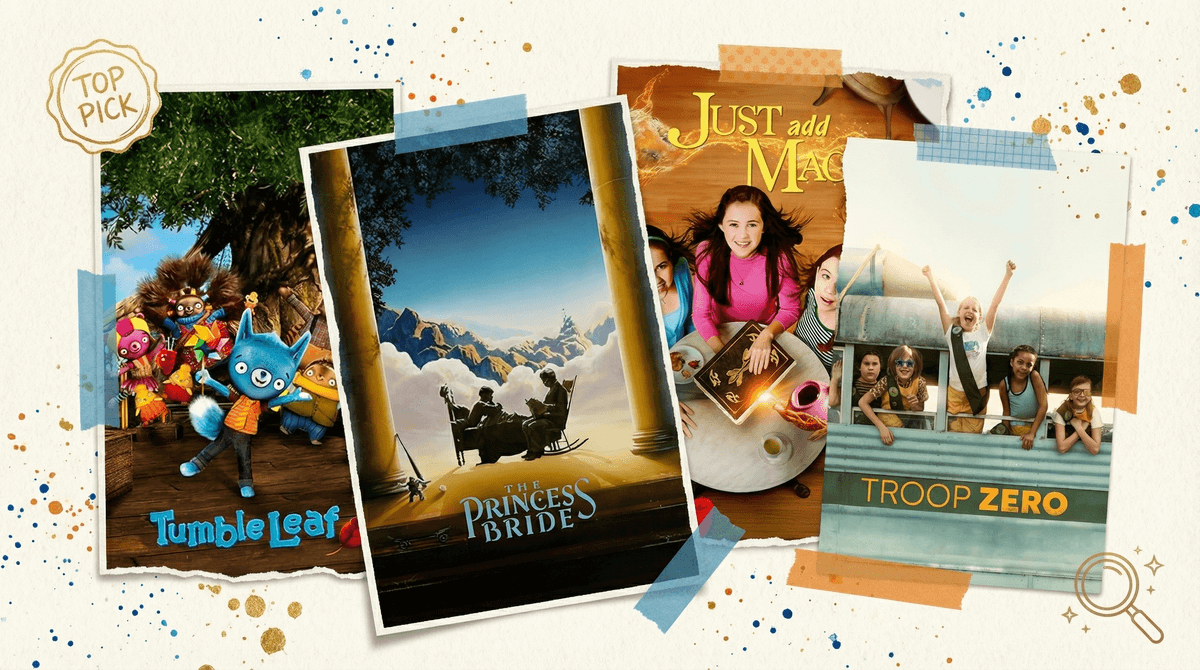
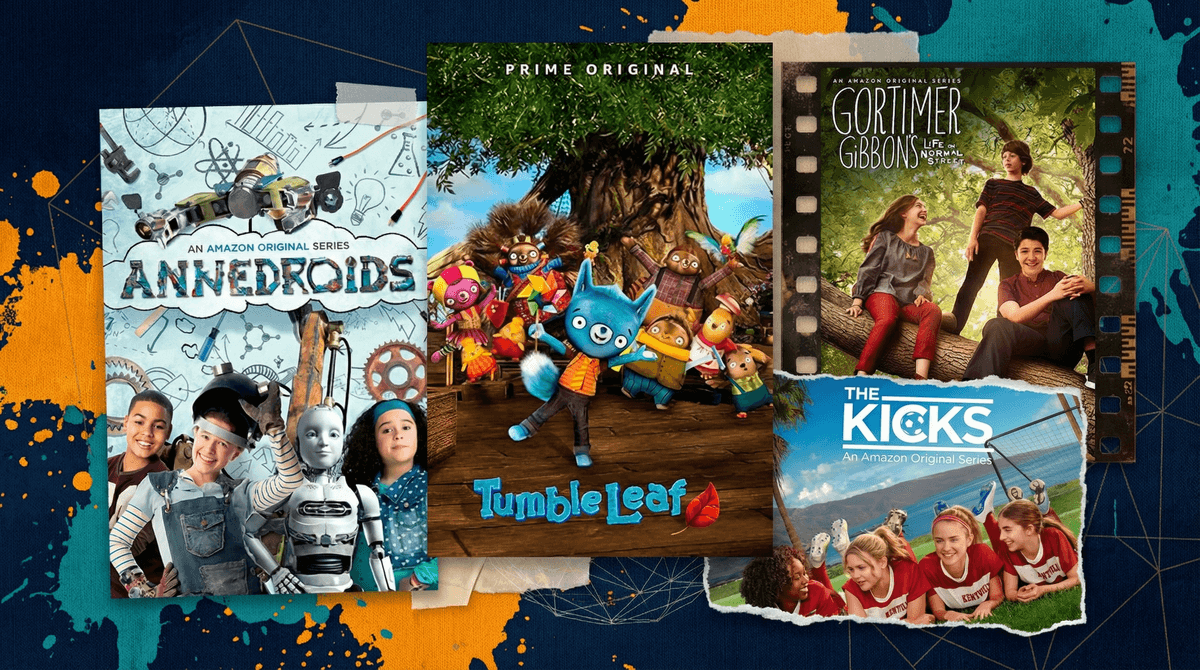
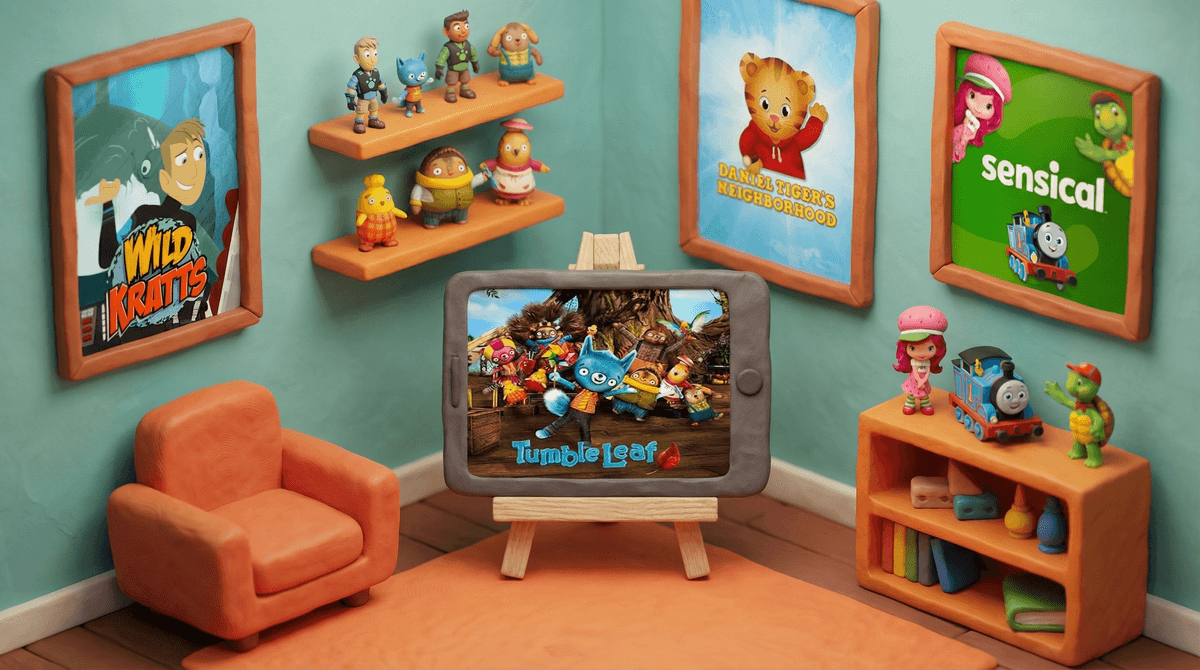
If you’ve ever watched your toddler enter a "zombie stare" while watching high-speed cartoons, you know exactly why Tumble Leaf feels like a relief. While most modern preschool shows rely on rapid-fire scene cuts and neon color palettes to hold a child's attention, this series takes the opposite approach. It’s quiet. It’s textured. It actually lets a scene breathe for more than three seconds.
The Anti-Cocomelon Factor
We talk a lot about low-stimulation shows for toddlers because the "digital candy" alternative usually leads to a massive meltdown the moment the screen turns off. Tumble Leaf is the gold standard for avoiding that post-TV crash. Because the pacing matches the speed of actual play, kids don't get that overstimulated brain-fog.
If you are looking for better alternatives to Cocomelon for toddlers, this is arguably the strongest contender on any platform. The high IMDB score (8.6) isn't an accident; it’s a reflection of parents realizing that their kids are actually calmer after an episode of this than they are after ten minutes of a high-energy YouTube nursery rhyme loop.
Learning Through "The Finding Place"
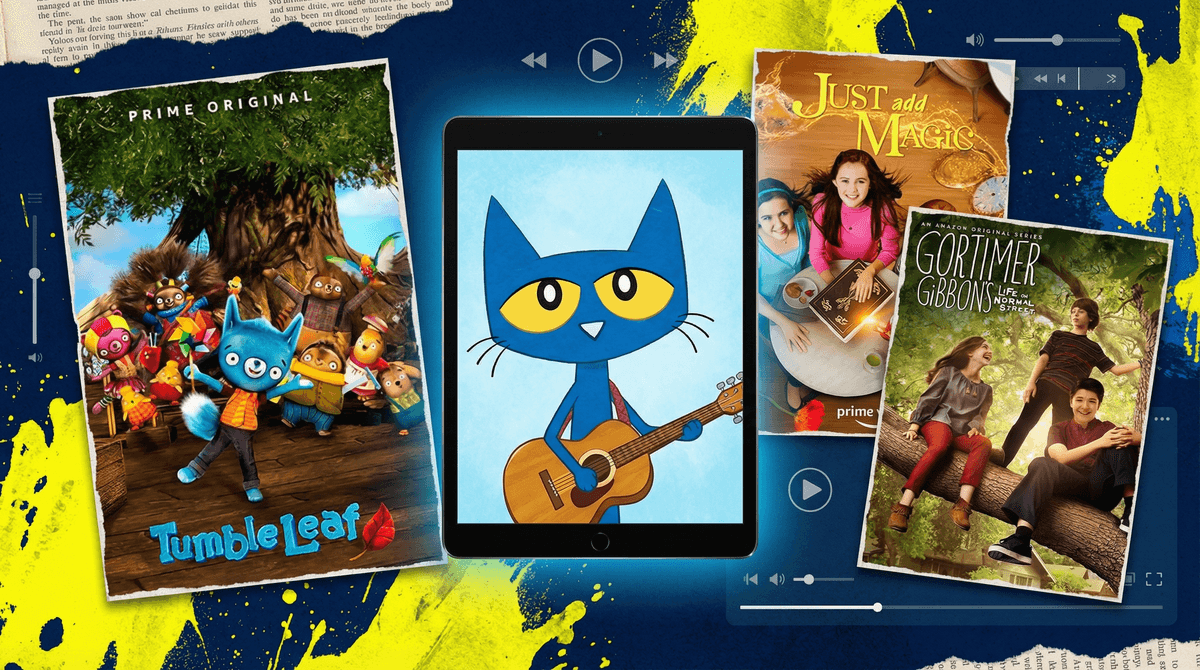
Every episode follows a simple, repeatable formula: Fig the fox finds an object in a chest (his "Finding Place") and spends the rest of the episode figuring out what it does. It might be a magnifying glass, a pump, or a mirror.
This isn't "educational" in the sense of shouting letters and numbers at the viewer. It’s a physics lesson disguised as a game. Fig and his friends—like Stick the caterpillar—encounter a problem and use the object of the day to solve it through trial and error. It models persistence better than almost any other show for this age group. When Fig’s first attempt at a gadget fails, he doesn't get frustrated; he just tries a different way.
Why it Still Holds Up
Even though it premiered in 2013, it remains one of the best Amazon Prime series for kids because it doesn't feel dated. The world-building is incredibly lush. Everything looks like it was handcrafted from wood, felt, and found objects, giving it a tactile quality that CGI shows usually lack.
It’s worth noting that while the show is rated for ages four and up by some critics, it is perfectly safe and engaging for two-year-olds. The "danger" in these adventures is non-existent—think "how do we get this toy out of a high tree" rather than "how do we save the world."
How to Use It Well
If you want to get the most out of Tumble Leaf, try to have a "Finding Place" of your own at home. When Fig discovers a flashlight or a piece of string, having those same items ready for your kid to play with immediately after the episode turns the screen time into a bridge to real-world exploration. It’s the rare show that actually makes a kid want to go outside and poke a stick into a puddle.