The "Secret Sauce" of Computational Thinking
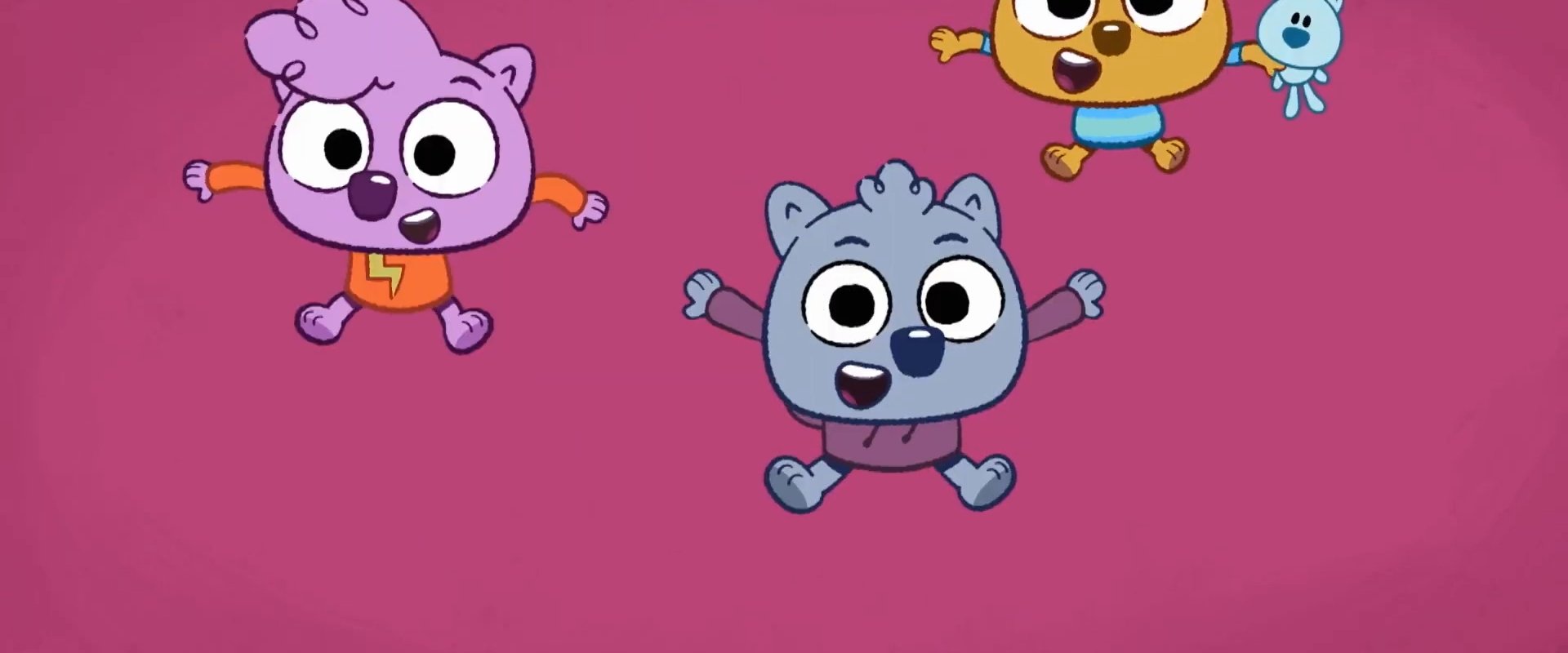
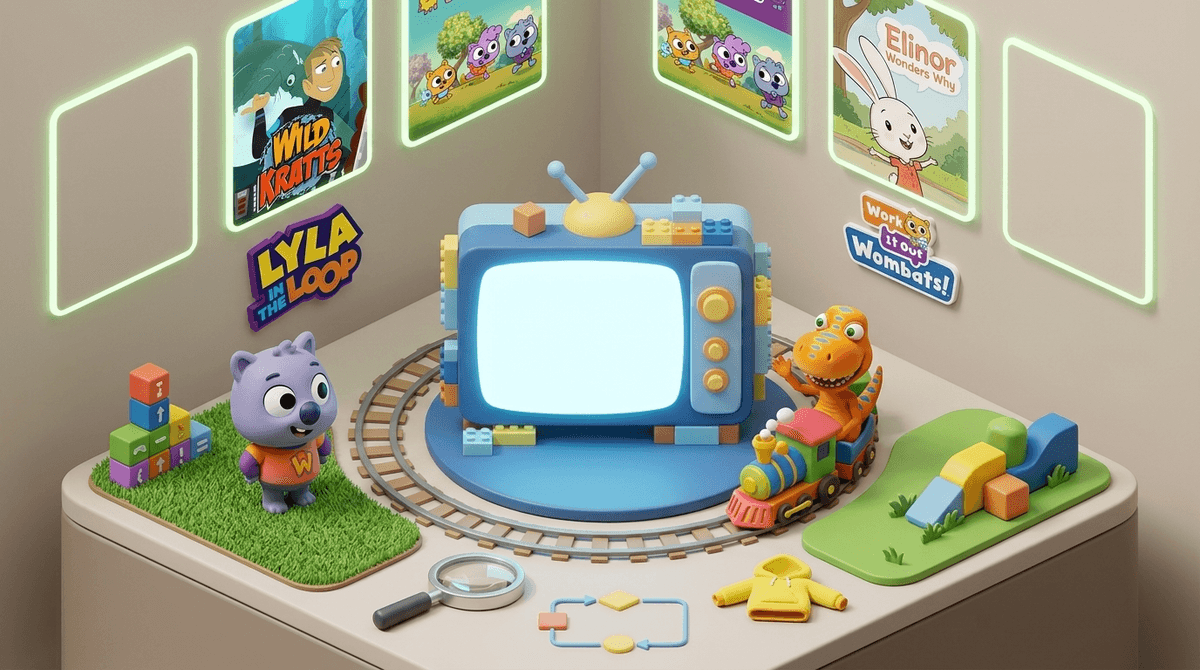
While most preschool shows focus on the ABCs or basic "be a good friend" lessons, Work It Out Wombats! targets a specific mental muscle: computational thinking. It sounds like a tech-bro buzzword, but in the Treeborhood, it just means breaking big, scary problems into tiny, manageable steps. This makes it one of the best PBS Kids shows for building preschool STEM interest without ever feeling like a dry classroom lecture.
When the wombat siblings want to build something complex or organize a neighborhood event, they don't just stumble into success. They create a sequence, find the "bugs" in their plan, and iterate. For a four-year-old, seeing a character fail, realize why they failed, and calmly try a different path is a massive developmental win. It’s logic-building disguised as a cartoon about Australian marsupials.
A Sanctuary from the "Hype" Cycle
If you are trying to steer your kid away from the high-decibel, bright-red-primary-color chaos of certain YouTube channels, this is your exit ramp. The show maintains a high IMDb score of 8.2 precisely because it doesn't rely on cheap gags or frantic editing to keep a child’s attention. It’s part of the reason PBS Kids remains the gold standard for parents who want to avoid the "zombie stare" that comes with lower-quality animation.
The Treeborhood itself is a highlight. It’s a diverse, multi-generational community of different animals that models how a neighborhood actually functions. You see different family structures and housing styles, which gives the show a grounded, inclusive feel that isn't performative. It’s just how their world works.
How to Use It Well
This isn't a show you need to "monitor" for safety, but it is one that pays dividends if you pay attention to the "Work It Out" moments. The show is designed to be a bridge between screen time and real-world play.
- The Pause: The wombats often stop to think through a plan. If you're watching with your kid, ask them what the "next step" should be before the characters say it.
- The App Move: Because the show is so focused on sequences and logic, it translates better to interactive media than most. It’s a perfect companion to the PBS Kids Video app, where kids can often find games that reinforce the exact "if/then" logic shown in the episodes.
- The "Work It Out" Phrase: Many parents find that adopting the show's catchphrase during real-life meltdowns—like a stuck zipper or a messy room—helps de-escalate the frustration. It shifts the kid's brain from "I'm upset" to "I'm a problem-solver."
If your child has aged out of the slow pace of Daniel Tiger but isn't quite ready for the fast-talking snark of older-kid cartoons, this is the sweet spot. It’s smart, it’s kind, and it’s one of the few preschool shows that actually respects a child’s ability to think through a sequence.