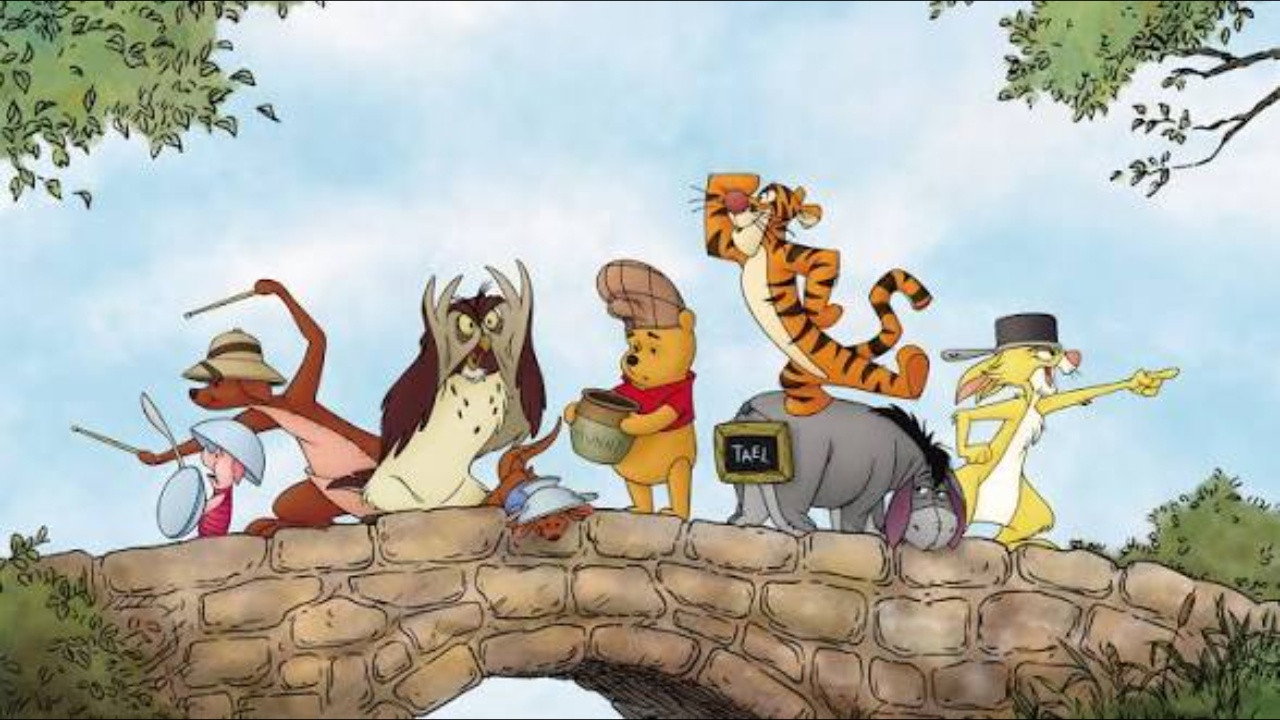
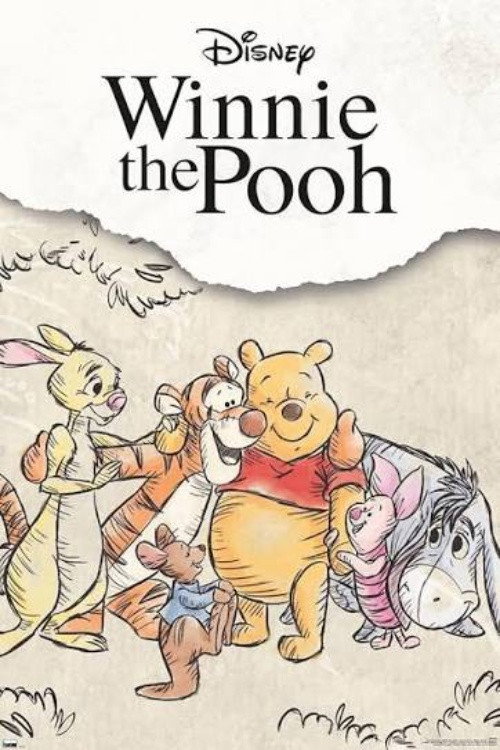
Winnie the Pooh

Winnie the Pooh

show

1966, Kids, Action & Adventure

WISE
89%

WISE Score

Gentle hand-drawn animation, storybook pacing, and a bear whose biggest daily crisis is getting stuck in Rabbit's front door after eating too much honey.

Where to Watch
Loading streaming options...
Screenwise Verdict

The original 1966 Disney animation remains one of the few legacy classics that holds up without needing a modern facelift. The pacing is intentionally slow: characters wander through the Hundred Acre Wood, break into soft Sherman Brothers tunes, and deal with low-stakes problems like losing a tail or running low on honey.

For parents trying to reset a kid's appetite away from hyper-stimulating digital slop, Pooh is a quiet miracle. It treats young viewers like thoughtful humans rather than attention-metrics targets.

Age Fit

Ideal for ages 2 to 7. Older kids and adults will still appreciate the dry British humor, but toddlers get the most out of the calm pacing.

WISE Breakdown
Wholesome
95

Models warmth, gentle friendship, and unconditional acceptance of personality quirks like anxiety or gloominess without preachiness.

Imaginative
88

Blends literary narration with physical storybook pages, turning simple childhood imagination into an expansive fantasy world.

Safe
92

Extremely safe overall, though the surreal Heffalumps and Woozles dream sequence can startle sensitive toddlers.

Enriching
85

Introduces rich vocabulary, subtle humor, and strong emotional literacy around anxiety, patience, and empathy.

Parent Info

Why It Might Be Great

  • Gentle storybook pacing gives young eyes a break from the hyper-saturated, rapid-cut style of modern toddler programming.
  • Rich vocabulary and literary narration preserve the warmth and humor of A.A. Milne's original books.
  • Charming 2D animation uses visible sketch lines and literal book pages that turn, encouraging early book familiarity.

What to Watch For

  • Mild nightmare imagery appears in the surreal Heffalumps and Woozles dream sequence, which can spook sensitive three-year-olds.
  • The unhurried speed might require a short adjustment period for kids accustomed to fast-paced tablet clips.

Conversation Starters

  • "Pooh got stuck because he ate all of Rabbit's honey. What happens when we eat too much of one sweet thing?"
  • "Piglet feels very small and nervous sometimes. What helps you feel brave when you are worried?"
  • "Rabbit got frustrated when Pooh disrupted his house. How do you handle it when a friend makes a mess?"

Deep Dive

The Slow-Paced Sanctuary

If your toddler is used to modern, high-velocity cartoons, the opening minutes of 1966's Winnie the Pooh and the Honey Tree will feel like a complete gear shift. A narrator turns actual paper book pages while soft vocals drift over watercolor backgrounds. Nothing explodes. Nobody shouts for applause.

Why Old-School Animation Works

The 1966 featurette relies on hand-drawn line work where you can still see the animator's pencil strokes. This keeps the visual field simple and legible for developing brains. Characters express quiet emotional states—Piglet's hesitation, Eeyore's resignation, Rabbit's neuroses—without needing loud sound effects or chaotic camera cuts.

The One Small Speed Bump

The only moment that catches parents off guard is the dream sequence with Heffalumps and Woozles. The surreal shapes and honey-stealing phantoms can briefly scare sensitive preschoolers. Beyond that single sequence, it remains gold-standard quiet media.

What Parents Ask

Ask Anything

Get a personalized guide on any topic