The "Entry Drug" for Fantasy
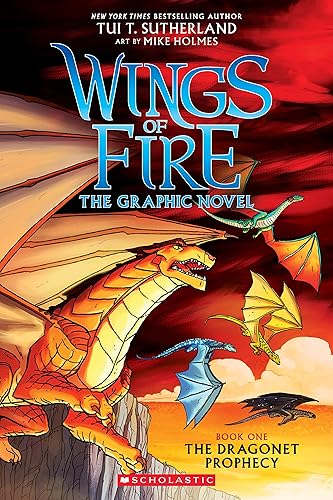
If you’ve noticed your middle-schooler suddenly obsessed with "tribes," "prophecies," and which dragon would win in a fight to the death, you’ve likely hit the Wings of Fire phase. It is not just a book series; for a huge swath of kids, it’s a personality. While the original prose novels are massive hits, this 2018 graphic novel adaptation of The Dragonet Prophecy is the version that finally cracks the code for kids who usually find a wall of text intimidating.
It works because it treats its audience like adults. The stakes aren’t "don't be late for school"; the stakes are "an entire continent is tearing itself apart in a generational war and five children are being raised in a cave to stop it." It’s basically Game of Thrones with a TV-PG rating and more scales. If your kid is currently stuck in the Screen-to-Page Pipeline, this is the definitive high-interest hook to get them off the tablet and into a narrative that actually has some meat on its bones.
The Visual Toll of War
We need to talk about the "melted face" moment. There is a specific scene involving a character named Queen Scarlet that tends to be the litmus test for parents. In the prose version, you can skim the description of a magical venom attack. In the graphic novel, you see it. The art doesn't shy away from the reality of dragon combat—there are scars, missing limbs, and plenty of "blood" (even if it’s color-coded by dragon tribe).
This isn't gratuitous, but it is honest. The series deals with some heavy themes: what it feels like to be "disposable" to your parents, the burden of a destiny you didn't ask for, and the ethics of killing to survive. If you’re worried about the intensity, check out our guide on Wings of Fire: Dragons, Prophecies, and Unexpected Gore to see if your kid is ready for the jump from Dog Man to something this visceral.
Bridging the Literacy Gap
A common parental anxiety is whether reading panels and speech bubbles counts as "real" reading. With Wings of Fire, the answer is a hard yes. The vocabulary here is surprisingly sophisticated, and the political maneuvering between the different dragon tribes—the MudWings, SeaWings, SkyWings, and the rest—requires a level of focus and memory that most "early readers" don't demand.
The graphic novel format acts as a set of training wheels for complex world-building. It allows kids to see the geography of the world and the physical differences between the tribes, which makes the eventual jump to the prose-heavy sequels much easier. If you’re still on the fence about the format, it helps to understand why graphic novels are the secret weapon for reluctant readers. They build the visual literacy and stamina needed for the "big" books later on.
If They Liked This, What’s Next?
Once a kid finishes the first volume, they usually inhale the rest of the series. The beauty of the Wings of Fire universe is that it’s expansive. There are dozens of books, side stories, and "Legends" entries. If they finish this and want more, they can stay in this world for a year and never get bored.
If they’ve already burned through the dragon lore and need something else with a similar "found family" vibe and high-stakes action, you might look toward other graphic adaptations of popular fantasy series. But for most kids in the 8-12 bracket, the dragons of Pyrrhia are the gold standard. It’s the rare series that respects a kid’s intelligence while giving them exactly what they want: fire-breathing action and a world they can get lost in.