Our reviews and ratings are 100% unbiased. As an Amazon Associate, Screenwise earns from qualifying purchases, so if you buy a book or game through one of our links, we may earn a commission. We don't get any credit if you just Google it instead :)
Screenwise Verdict
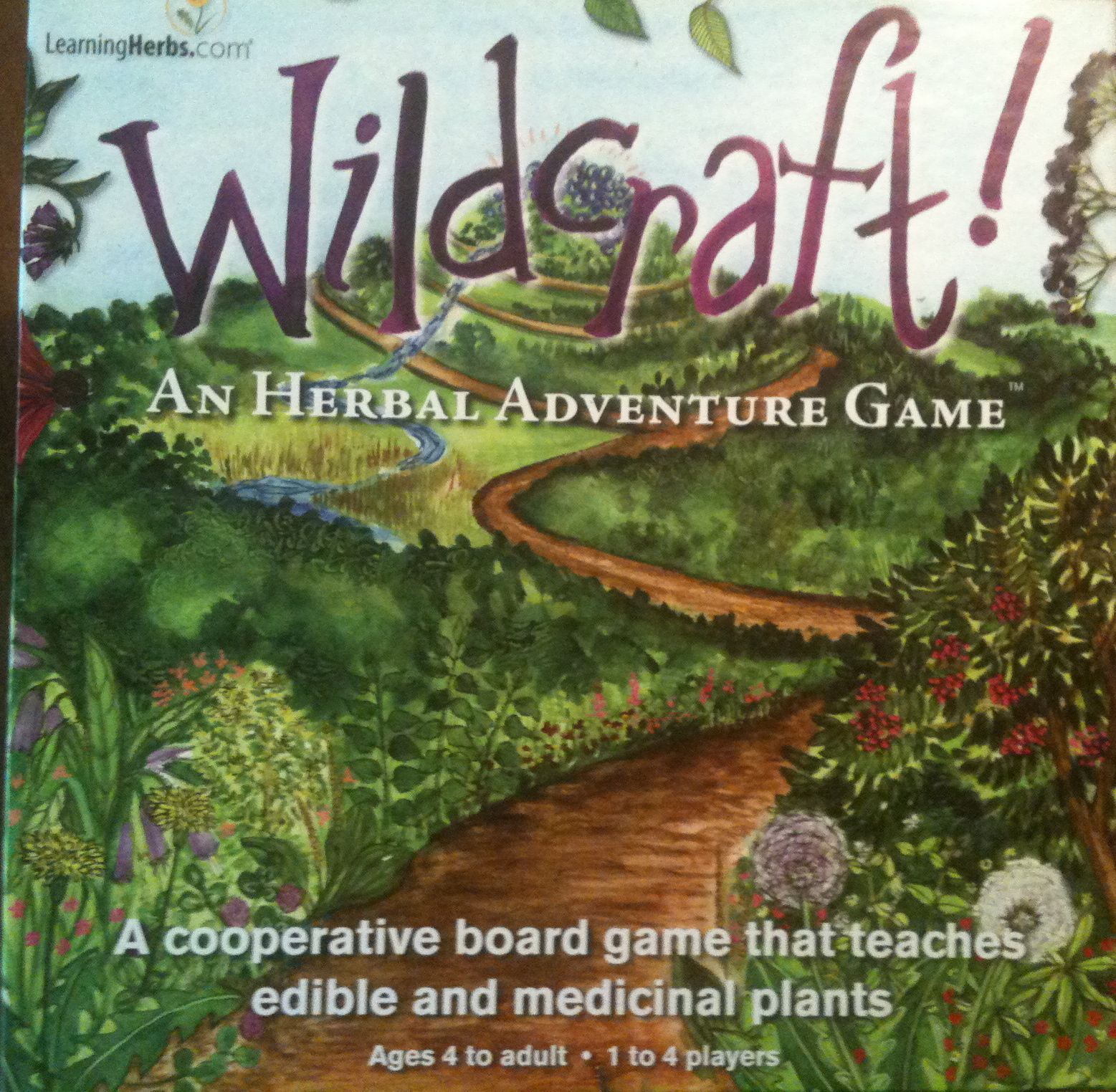
Wildcraft is the ultimate 'crunchy parent' board game that actually manages to be fun. It was released in 2006, but it feels like it could have come out in 1970 or 2024—the vibe is totally timeless.
If you're tired of the high-conflict energy of Monopoly or the mindless luck of Candy Land, this is a massive upgrade. It’s a gentle, intentional way to spend an hour away from screens while teaching some genuine nature literacy.
Age Fit
Perfect for the 4–10 crowd. It's simple enough for preschoolers to follow, but the cooperative strategy keeps elementary kids engaged. Once they hit 12, the 'roll and move' might feel a bit too 'babyish.'
WISE Breakdown
Wholesome
95
It's a cooperative game centered on helping others and Grandma. No combat, no cutthroat competition, just healing and hiking.
Imaginative
78
The nature theme is strong and the watercolor art is lovely, though the 'roll and move' mechanic is fairly traditional.
Safe
100
Zero mature themes, violence, or aggressive monetization. The social dynamics are purely positive.
Enriching
92
Teaches identification of 26 medicinal and edible plants and how they are used to treat specific ailments in a way kids actually remember.
Parent Info
✓
Why It Might Be Great
Cooperative gameplay means everyone wins or loses together, effectively ending the 'he cheated!' dinner-table meltdowns.
Real-world botany is baked into the mechanics, teaching kids to recognize plants like dandelion, burdock, and stinging nettle.
Beautiful watercolor illustrations give the game a timeless, heirloom feel that looks great on a shelf.
Simple mechanics make it accessible for kids as young as 4, but the 'Trouble' cards keep it interesting for older siblings.
⚠
What to Watch For
The game relies heavily on luck-based 'roll and move' mechanics, which can feel a bit slow or repetitive for kids used to modern, snappy games.
While it teaches herbalism, it's a game, not a medical guide; make sure the kids know they shouldn't go eating random backyard berries without you.
Conversation Starters
"Which of the plants on these cards have we actually seen in our neighborhood or on our last hike?"
"Why do you think the game has us help each other instead of racing to be first?"
"If we were actually lost on a mountain, what's the first thing we'd need to find to stay safe?"
"Grandma needs those huckleberries—how does it feel to work as a team to get them to her?"