This is the ultimate 'de-glazer' for the AI era. Instead of just using a chatbot, your kid actually learns how the pipes are connected. It’s geeky, it's dry in places, but it's one of the few games that respects a kid's intelligence enough to teach them how the world actually works.
If your kid is the type who likes taking things apart or playing with logic gates, this is a must-play. It turns the 'magic' of AI into a series of understandable, if sometimes frustrating, engineering problems.
Age Fit
Best for ages 10 and up. While the cat theme is cute for younger kids, the logic required for the later levels is genuine computer science territory that will challenge even teenagers and adults.
WISE Breakdown
Wholesome
85
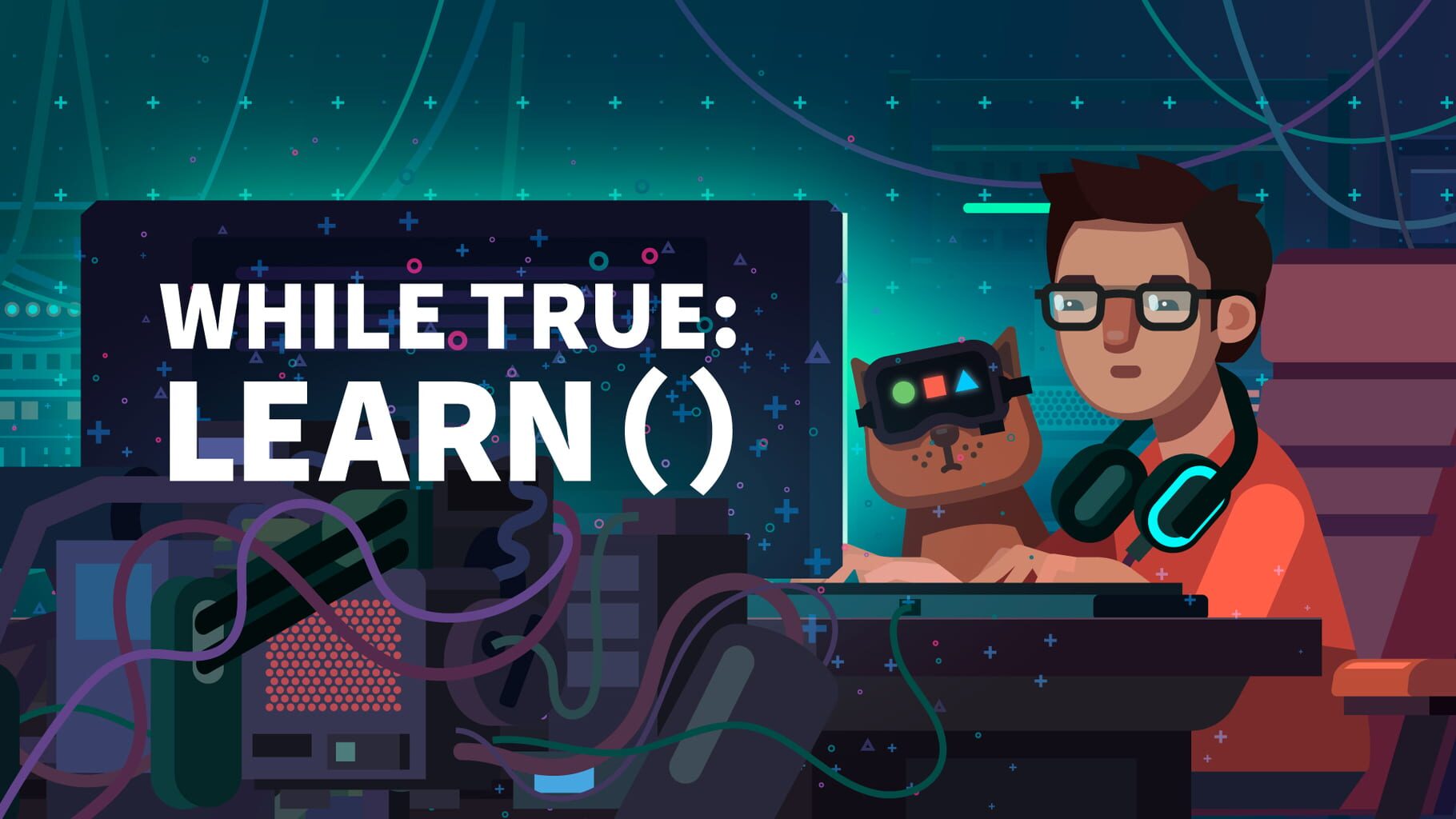
The tone is lighthearted and geeky, centered on a quirky relationship between a developer and their cat. It avoids toxicity entirely and focuses on the satisfaction of problem-solving.
Imaginative
80
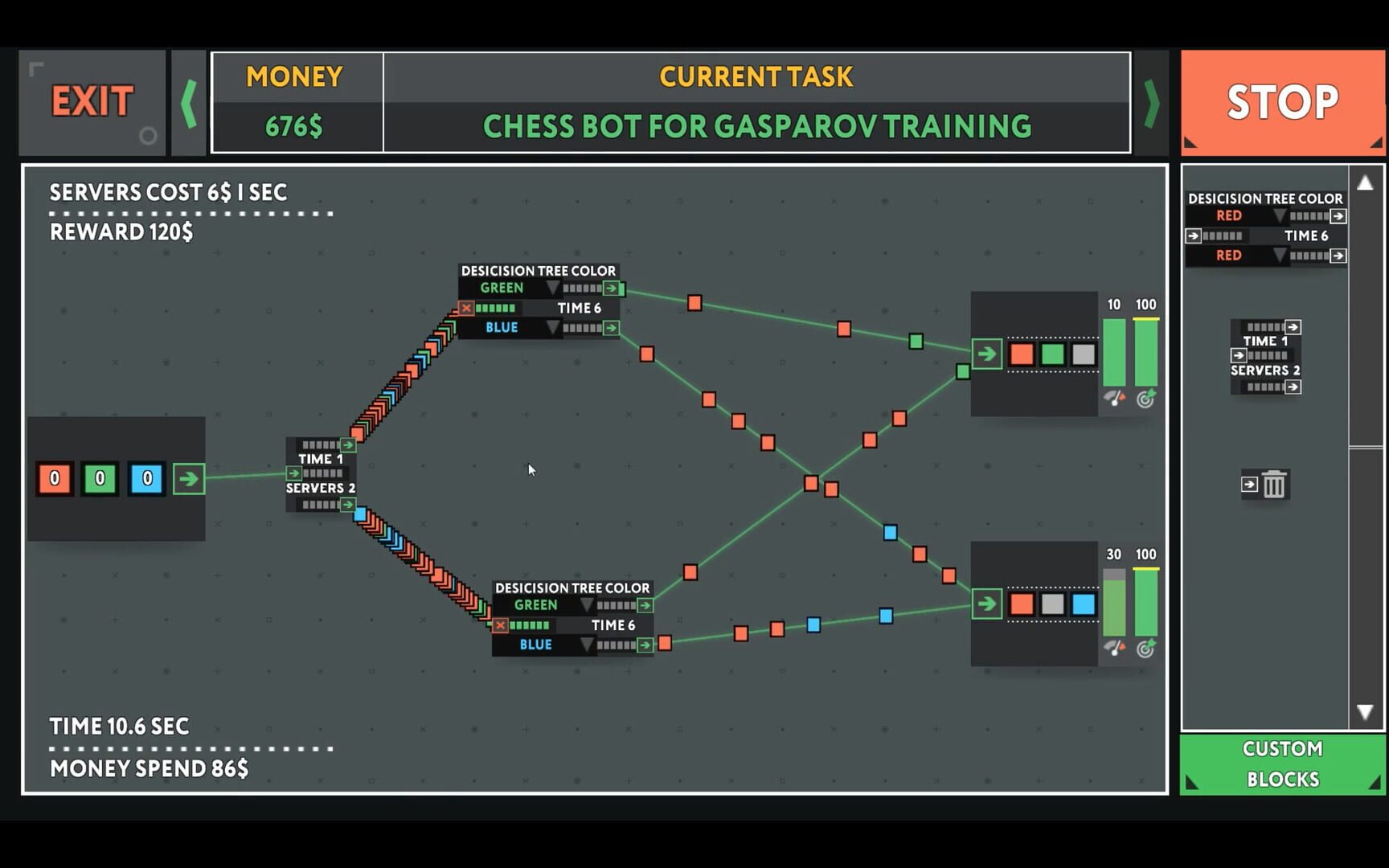
While it's a logic-based simulator, the visual programming interface encourages creative optimization. The 'cat translation' premise is a fun, original hook for a technical subject.
Safe
98
A single-player experience with no social risks, no violence, and no manipulative monetization. It’s a clean, focused environment for learning.
Enriching
94
It’s a masterclass in 'stealth learning.' It teaches actual machine learning history and logic—like decision trees and neural networks—without feeling like a dry textbook.
Parent Info
✓
Why It Might Be Great
Real-world concepts like Perceptrons, Markov chains, and Big Data are baked into the puzzles.
Visual programming makes complex logic accessible to kids who aren't ready for syntax-heavy coding yet.
Funny cat-centric plot keeps the 'educational' vibe from becoming a total drag.
Historical context pop-ups explain how these technologies evolved in the real world.
⚠
What to Watch For
The difficulty spike is no joke. By the time you hit the mid-game, the logic puzzles require serious focus and iterative testing.
It's a niche interest—if your kid hates math or logic puzzles, the cat outfits won't be enough to save it for them.
Conversation Starters
"Why do you think the cat is actually better at building neural networks than the human?"
"Which part of the puzzle was harder: getting it to work, or making it fast enough to be 'profitable'?"
"Now that you've seen how a decision tree works in the game, where else do you think machines use that in real life?"
"If we could actually translate what our pets were thinking, what's the first thing you'd ask them?"