The Jonah Myth Meets Scuba Physics
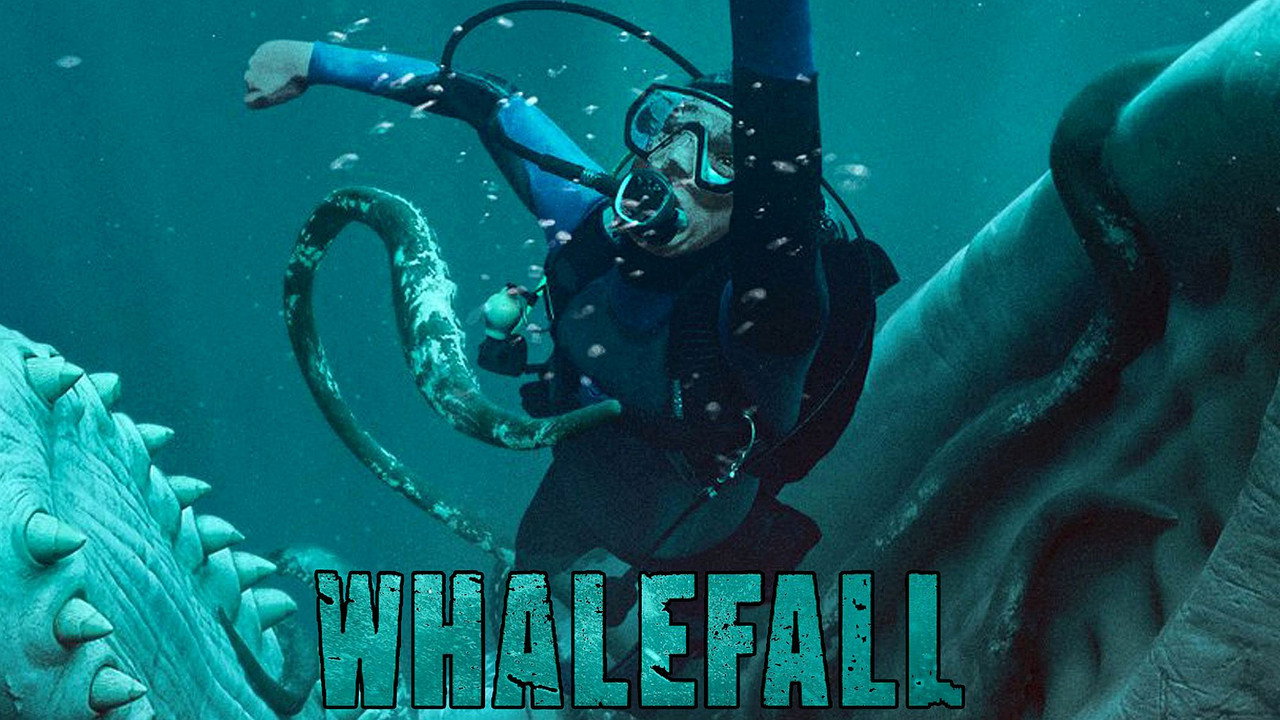
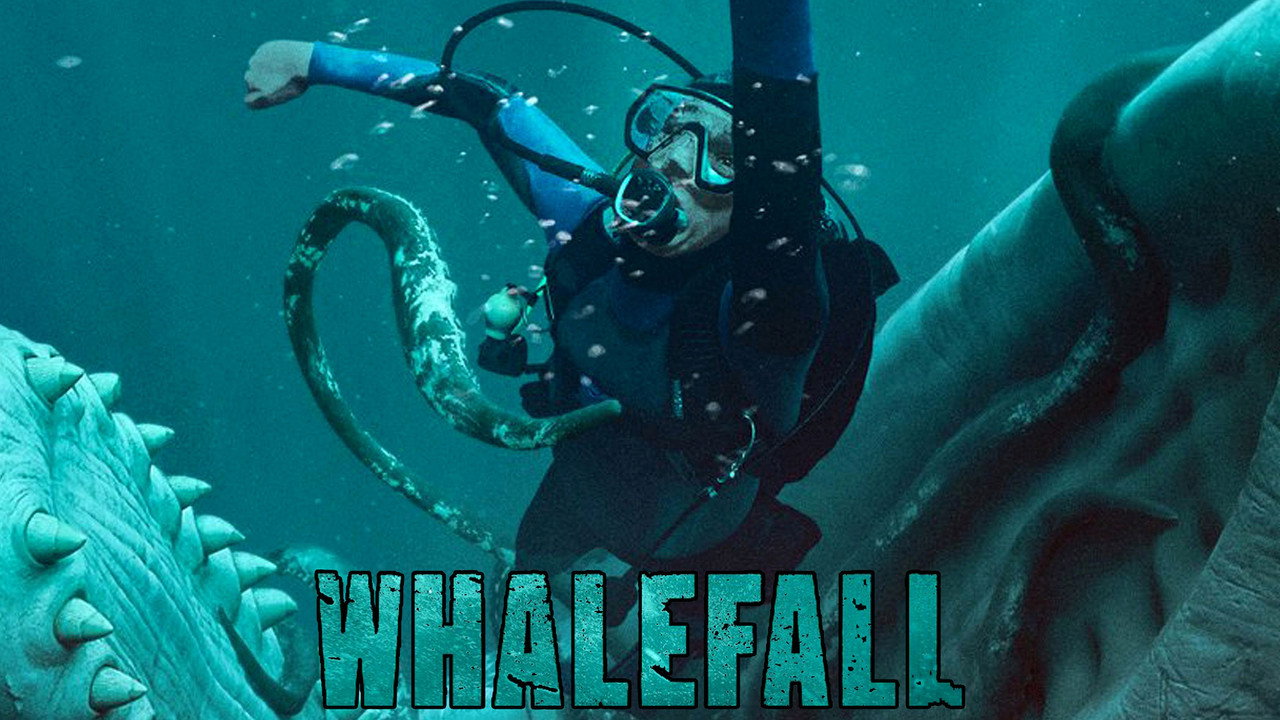
Most survival films give their protagonist a wide horizon: an open desert, an empty ocean, or an abandoned spacecraft. Whalefall does the opposite. By dropping its lead into the digestive system of an eighty-foot sperm whale, the setting becomes entirely organic, pitch-black, and actively hostile.
Based on Daniel Kraus's 2023 novel, the film adaptation hinges on hard science rather than fantasy. The whale is not a monster with an agenda; it is an animal carrying out natural biological processes. That means the threats are concrete:
- Boyle's Law and Decompression: Rising too fast or dealing with shifting pressure in an air pocket carries real physiological consequences.
- Stomach Acid and Enzymes: The environment is actively dissolving whatever enters it, turning ordinary dive gear into deteriorating protective armor.
- Sensory Deprivation: In total blackness, orientation is impossible without tools and deliberate mental mapping.
Emotional Weight Behind the Dive
The survival mechanics keep the pace moving, but the emotional spine is the relationship between Jay and his late father, Mitt. Jay went into the water carrying guilt, bitterness, and reckless grief. mitt was tough, demanding, and frequently harsh in life, but his hyper-specific survival knowledge ends up being the only currency that matters inside the whale.
For families with high schoolers, this creates an interesting bridge between raw adrenaline and character reflection. It avoids easy sentimentality: Mitt was not suddenly a saint, and Jay is not cured of his grief by surviving. Instead, the film shows how difficult family histories still shape our instincts under pressure.