The Anti-Action Action Show
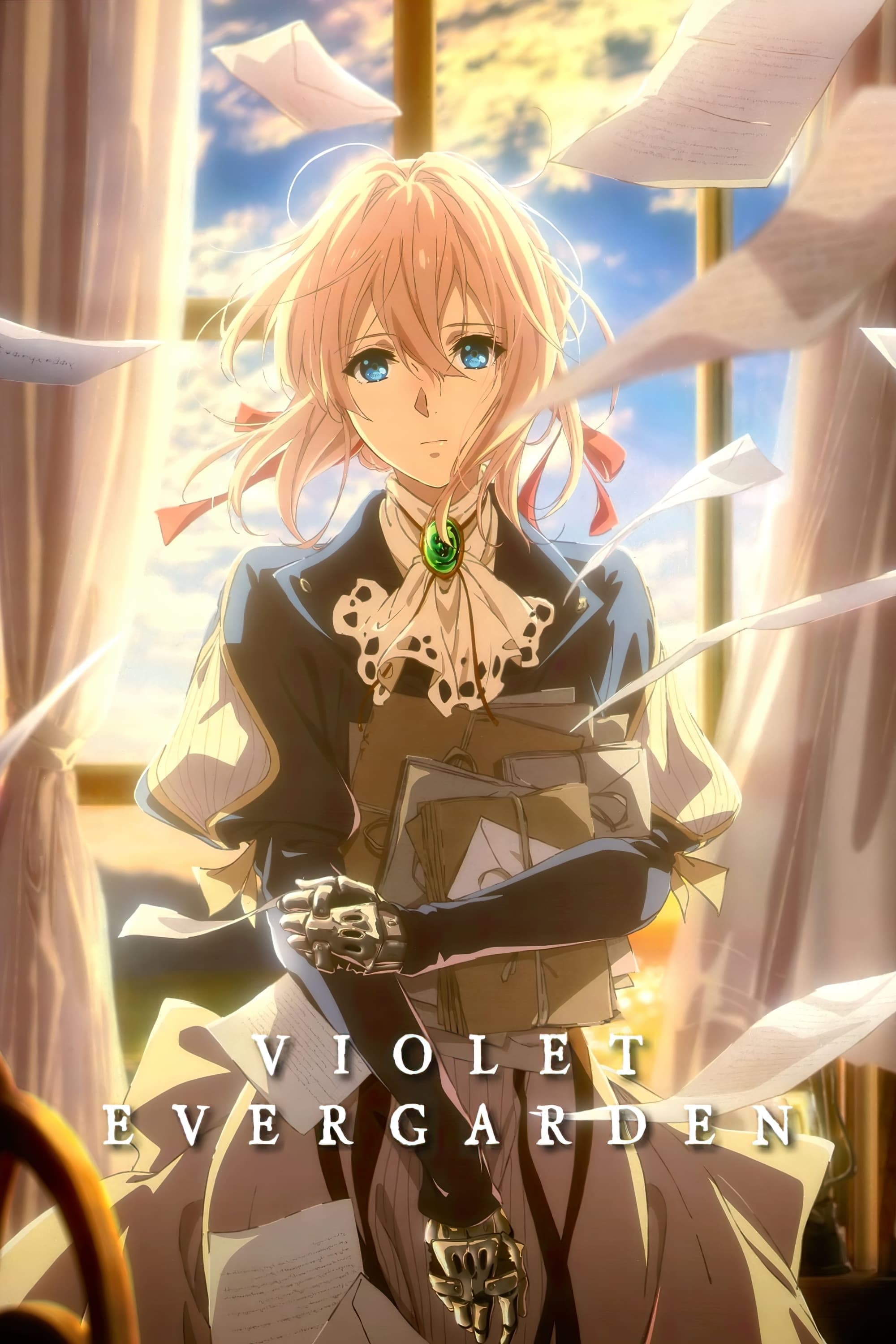
You might see the prosthetic arms and the military background and expect a sci-fi brawler. You'd be wrong. Violet Evergarden is a show about the 'after.' It’s about what happens when the soldiers go home and realize they don't know how to exist in a world that doesn't require them to kill.
Violet herself starts the series as a blank slate—literally. She was a child soldier raised to follow orders, and without a commander, she’s lost. Her journey into the world of 'Auto Memory Dolls' (letter writers) is her way of decoding the human heart. Each episode functions like a short story where Violet helps a client—a dying mother, a lonely soldier, a struggling playwright—find the words they’re too scared to speak.
Why the Animation Matters
Usually, we don't hype 'graphics,' but Kyoto Animation (KyoAni) is different. The level of detail here—the way light hits a typewriter key, the movement of a character's hair in the wind—is used to convey emotion where the dialogue doesn't. For a kid who appreciates art or cinematography, this is a masterclass. It’s a slow burn, but every frame is intentional.
The Trauma Factor
Parents should be aware that while the show is beautiful, it doesn't shy away from the ugliness of Violet's past. The scenes where she loses her arms are visceral. There’s blood, there’s screaming, and there’s the cold reality of child soldiering. It’s handled with gravity, not for shock value, but it’s the reason the 14+ rating exists. This is a show for the kid who is ready to talk about the hard stuff.