The 2003 time capsule
Watching this show in 2026 feels like opening a vault of early-2000s "lad culture" that hasn't aged particularly well. When it debuted in 2003, the premise of a wealthy, booze-swilling jingle writer taking in his uptight brother and young nephew was the gold standard for CBS multi-cam sitcoms. It was the era of the anti-hero before that term got applied to prestige dramas. Here, the hero is just a guy who treats women like disposable napkins and his house like a 24/7 frat party.
The show was a massive hit, which explains that solid 7.1 IMDB score. People tuned in for the easy rhythm of the setup-punchline-laugh-track cycle. It’s the ultimate "laundry folding" show—you can miss ten minutes, come back, and know exactly what’s happening. But for a modern audience, the friction comes from how the show views its characters. There is no growth. The jingle writer stays a hedonist, the brother stays a punching bag, and the kid slowly turns into a punchline about being underachieving or dim-witted.
The "easy" comedy trap
The humor here relies almost entirely on three things: sexual innuendo, mocking the brother’s perceived lack of masculinity, and the shock value of a ten-year-old being exposed to adult situations. It’s efficient comedy, but it’s rarely clever. If your teenager is used to the faster, more meta-humor of modern shows, they might actually find this boring. It’s a very specific brand of "guy humor" that feels like it was written in a smoky room by people who think the height of comedy is a joke about a hangover.
The real issue for parents isn't just the raunchiness—it’s the cynicism. There’s a total lack of warmth. Most sitcoms about families, even dysfunctional ones, have a "hug" moment at the end of the episode. This show actively avoids that. It prefers to end on a jab. If you're deciding whether your kid is ready for the constant stream of crude jokes, our parent’s guide to Two and a Half Men breaks down exactly where the line is drawn.
Why it’s still on every screen
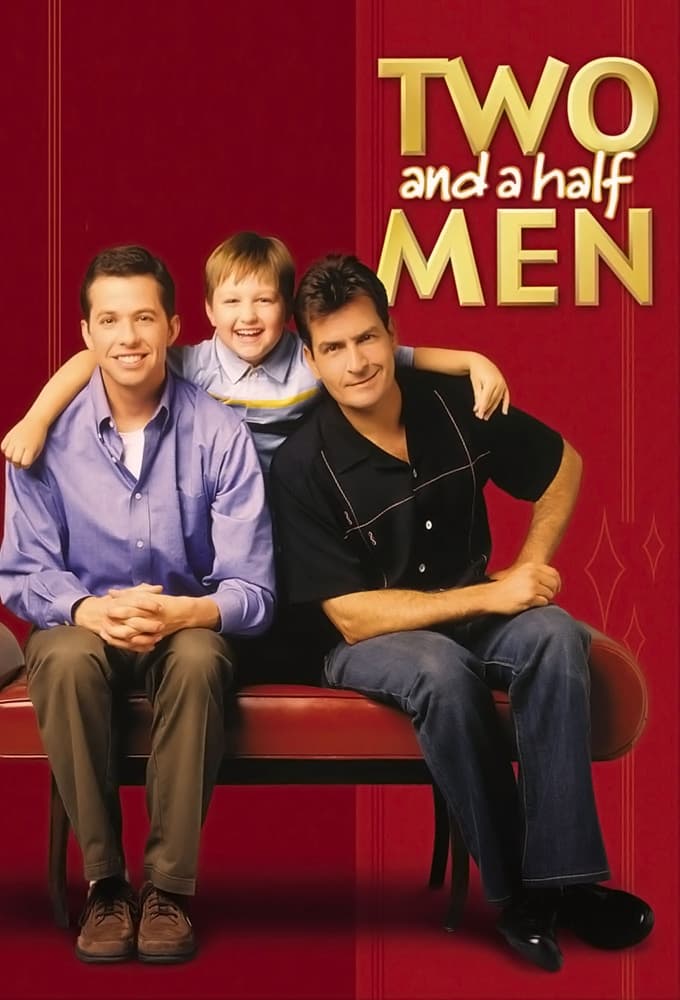
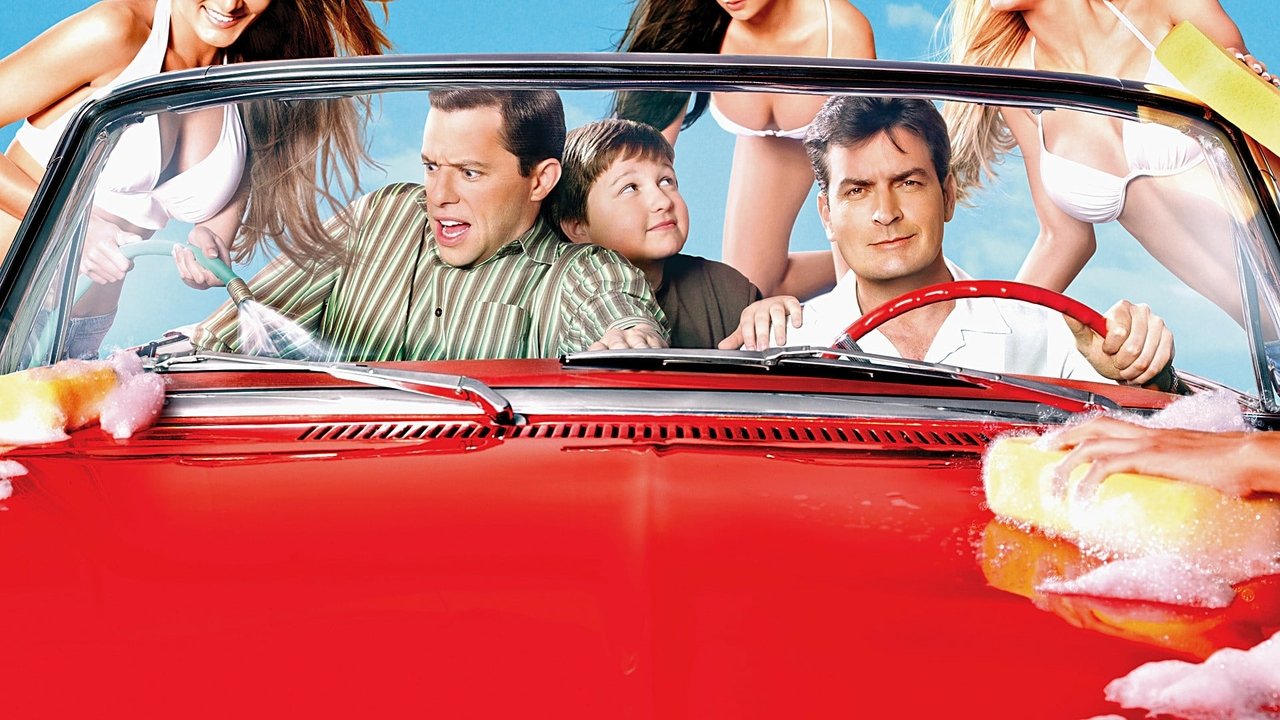
With a presence on Prime Video, Peacock, and Philo, this show is effectively the "background noise" of the streaming world. It’s easy to see why a teen might stumble into it. It looks like a standard family show from the thumbnail, but the reality is a lot more acidic.
If your kid liked the banter of something like The Big Bang Theory (another show from the same creator), they might gravitate toward this. But where that show celebrates being an outsider, this one mocks it. It’s a masterclass in the "mean sitcom" genre. If you decide to let them watch, use it as a museum piece. Talk about how the portrayal of the "hedonistic" lifestyle is actually pretty lonely when you look past the beach-front property. It’s a great example of how much TV standards have shifted in twenty years—mostly for the better.