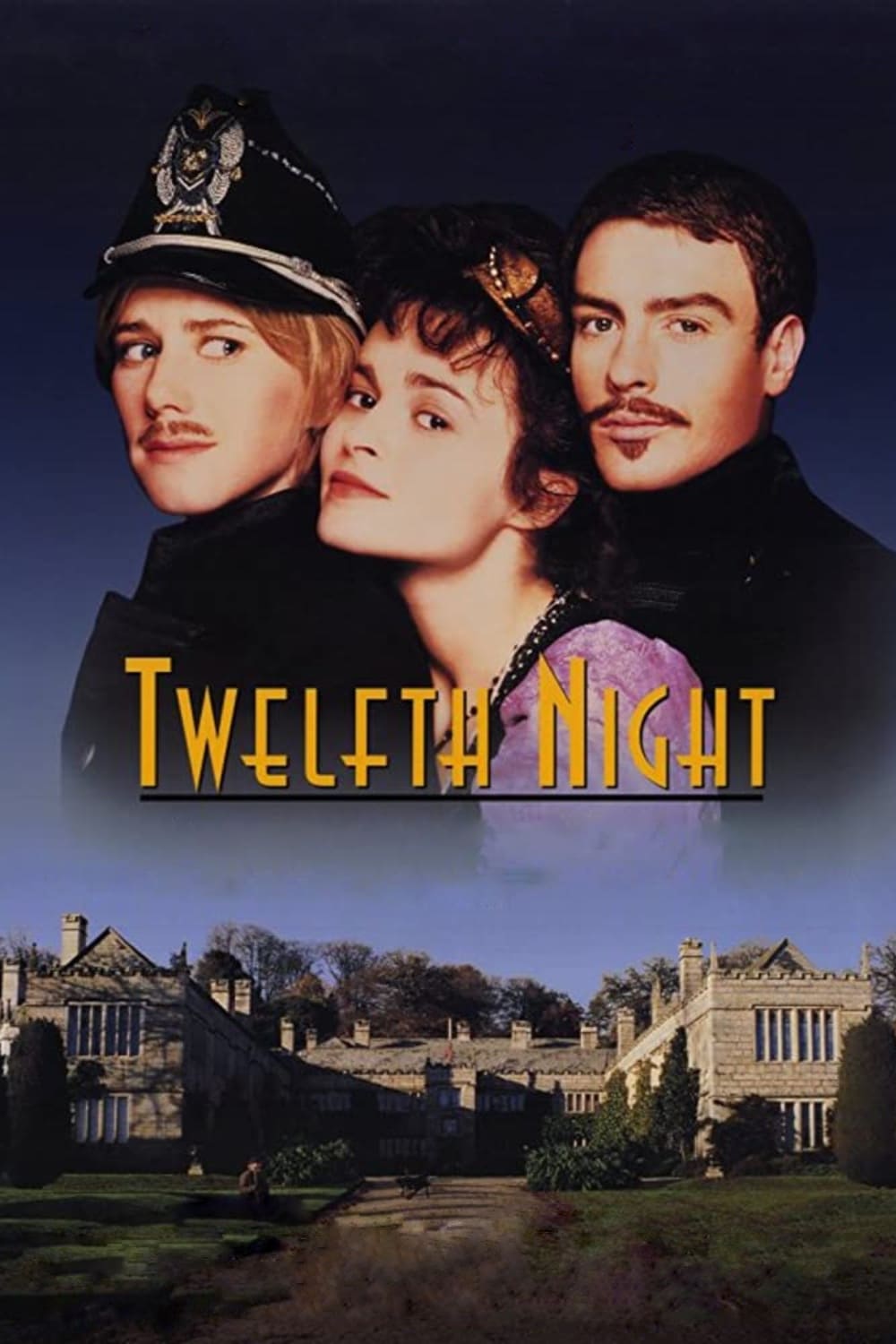
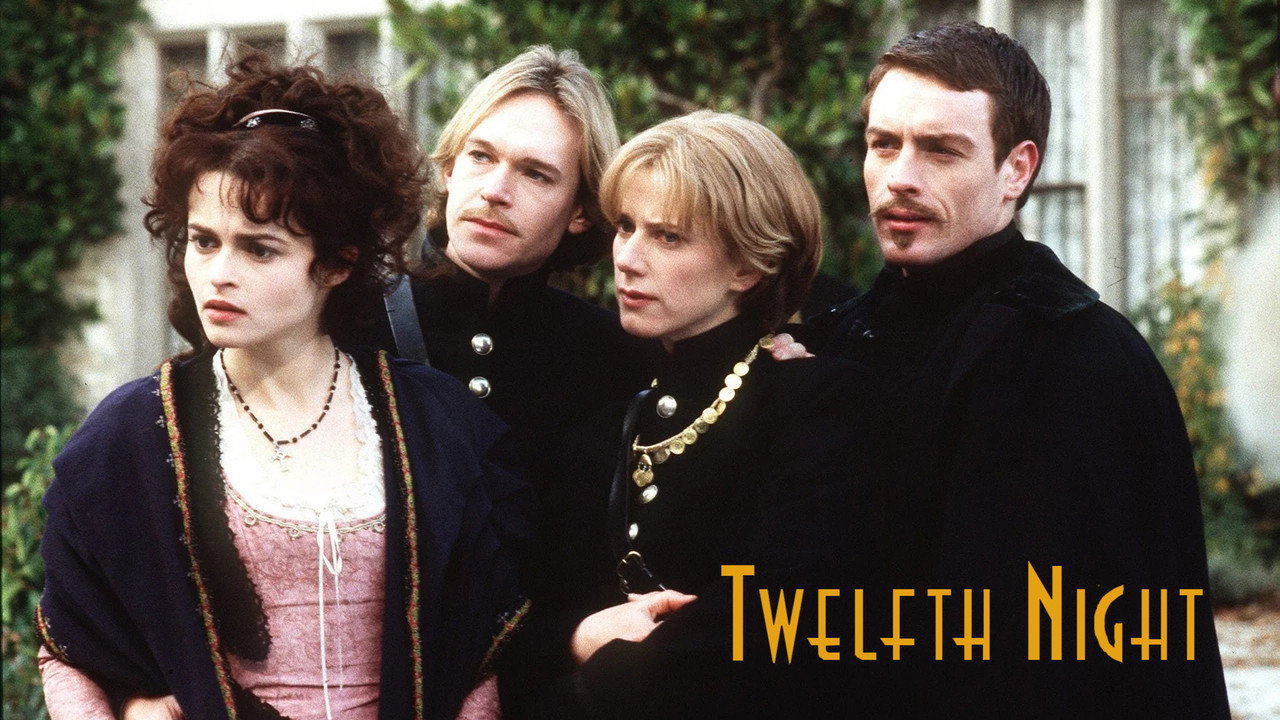
Twelfth Night

Twelfth Night

movie

PG, 1996

WISE
62%

WISE Score

75

Avg. Tomatometer

Shakespeare's gender-bending rom-com gets the 1996 treatment—charming if you can handle the thee's and thou's.

IMDb7.1
RT Critics75%
Common Sense Media
Where to Watch
Loading streaming options...
Screenwise Verdict

Here's the truth: this is a perfectly fine Shakespeare adaptation that checks all the boxes for educational value and wholesome content. The individual WISE components score well because it's genuinely enriching, safe, and has good themes.

But will your kid actually want to watch it? That's the question. If they're studying Shakespeare in school or you're raising a budding theater nerd, this is a solid choice—way more accessible than reading the play cold. The cross-dressing plot is actually pretty engaging and the themes about identity hold up.

However, if you're just looking for a Friday night movie, most modern kids will find this a slog. The language barrier is real, the 1996 production values feel dated, and the pacing is theatrical rather than cinematic. It's the kind of thing that's "good for you" rather than genuinely entertaining for most kids.

The WISE score reflects this reality: strong components, but significant watchability penalty for modern audiences. Use this strategically—as a companion to schoolwork, as cultural enrichment for motivated kids, or for families who genuinely enjoy period drama. Don't expect it to compete with Marvel or Pixar.

Age Fit

Best for ages 11-16, particularly middle schoolers encountering Shakespeare in school who could benefit from seeing a performance rather than just reading the text. Adults who enjoy period pieces or Shakespeare will appreciate it, but most teens will age out unless they're theater kids.

WISE Breakdown
Wholesome
78

Shakespeare's romantic comedy centers on themes of love, loyalty, and self-discovery with generally positive character arcs. The cross-dressing plot is handled with humor and heart rather than mockery. Some melancholy moments and mild innuendo typical of Shakespeare, but overall emotionally healthy with characters learning about genuine affection versus infatuation.

Imaginative
82

Classic Shakespearean mistaken identity plot with creative wordplay, theatrical staging, and the imaginative conceit of gender disguise. The 1996 film adaptation brings visual creativity to the material. However, it's an interpretation of existing work rather than wholly original, and the formal theatrical style may feel less immediately imaginative to modern viewers accustomed to different storytelling modes.

Safe
85

Common Sense Media rates it for age 11+. No violence, gore, or frightening content. Some mild romantic themes and Shakespearean innuendo that will sail over younger kids' heads. The cross-dressing element is central to the plot but handled as comedic device rather than anything inappropriate. Generally very safe for family viewing with tweens and up.

Enriching
88

Exposure to Shakespeare's language, wordplay, and timeless themes about identity, love, and social roles. Strong literary and cultural value. Explores gender roles and expectations in thoughtful ways. The comedy format makes it one of the more accessible Shakespeare works. However, the Elizabethan English and theatrical style require effort to fully appreciate.

Parent Info

Why It Might Be Great

  • Solid introduction to Shakespeare for middle schoolers who need to understand why this stuff matters
  • Cross-dressing plot explores identity and gender roles in surprisingly thoughtful ways that still resonate
  • No violence or inappropriate content—just romantic confusion and clever wordplay
  • Strong ratings across the board (75% critics, 80% audience) suggest it's a well-executed adaptation
  • Available on Kanopy means free streaming if your library subscribes

What to Watch For

  • Let's be real: Elizabethan English is a barrier—most kids will need subtitles and maybe a quick plot summary beforehand
  • This is a 1996 period piece adaptation, so it feels doubly removed from modern life—not exactly TikTok pacing
  • Some mild Shakespearean innuendo that adults will catch but kids won't
  • Runtime and theatrical pacing means this is for kids who can sit through slower storytelling

Conversation Starters

  • "Why do you think Viola chose to disguise herself as a man? What would you do in her situation?"
  • "The Duke loves Olivia, Olivia loves Cesario (who's really Viola), and Viola loves the Duke. Have you ever felt confused about your feelings like that?"
  • "How do you think people treated Viola differently when they thought she was a boy versus a girl?"
  • "Shakespeare wrote this over 400 years ago. What parts feel like they could still happen today?"

Deep Dive

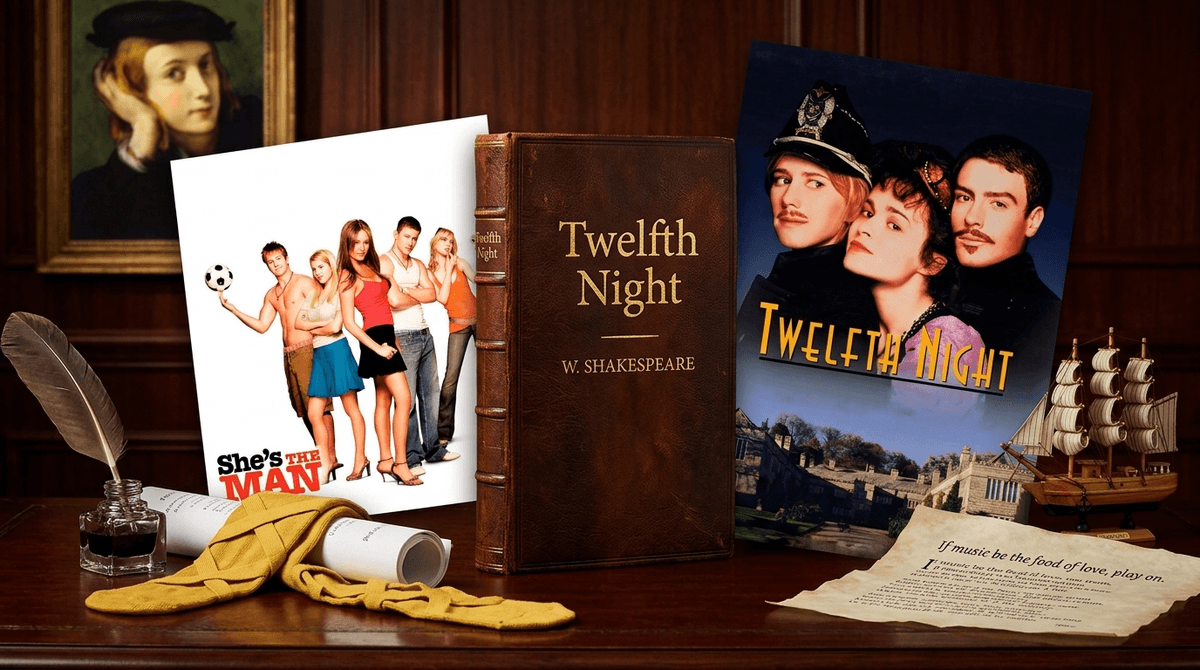
The "She’s the Man" connection

If the plot sounds suspiciously like a 2000s teen movie, that’s because it is. This is the blueprint for every "girl in a wig" comedy of the last thirty years. For a kid who has seen the modern riffs on this story, watching the 1996 version is a weirdly satisfying "aha!" moment. It’s the original accidental love triangle where everyone is pining for the wrong person.

The critics on Rotten Tomatoes gave this a 75% for a reason: it doesn't treat the source material like a fragile antique. It’s played with enough energy to keep it from feeling like a recorded stage play, even if the 1990s production style feels a bit soft-focus by today’s 4K standards.

The subtitle hack

Don't try to be a purist here. Even for adults, Shakespearean English is a lot to process through 1990s audio mixing. If you want your kid to actually follow the "who is hitting on whom" dynamics, turn on the subtitles immediately.

When they can read the dialogue while hearing the actors' inflection, the "language barrier" usually evaporates after about fifteen minutes. Without them, there’s a high risk they’ll check out and start scrolling their phone because they missed one crucial piece of exposition about a shipwreck. If you want a roadmap for the more confusing bits, our Twelfth Night: The Parent’s Guide to Shakespeare’s Messiest Comedy breaks down the plot points that usually leave kids (and parents) scratching their heads.

Why Kanopy is the move

The fact that this is streaming on Kanopy is a major win. Since most people access Kanopy through a library card or university login, it’s essentially free to watch. This lowers the stakes significantly. You don't have to feel like you "wasted" a rental fee if your kid decides after twenty minutes that they’d rather watch literally anything else.

It’s a low-risk way to test the waters of period drama. If they like the vibe, you’ve opened a door to a whole genre of literary adaptations. If they hate it, you’ve at least checked a "cultural literacy" box for the week without spending a dime.

The cringe factor

There is a specific subplot involving a prank on a servant that feels surprisingly mean by modern standards. While the movie is a comedy, some kids might find the "joke" on the character of Malvolio to be more like bullying than a harmless laugh. It’s one of those moments where the 400-year-old humor doesn't quite align with today’s sensibilities. It’s worth a quick chat afterward about whether they thought the "villain" actually deserved what he got, or if the "heroes" went a little too far for a laugh.

Stills
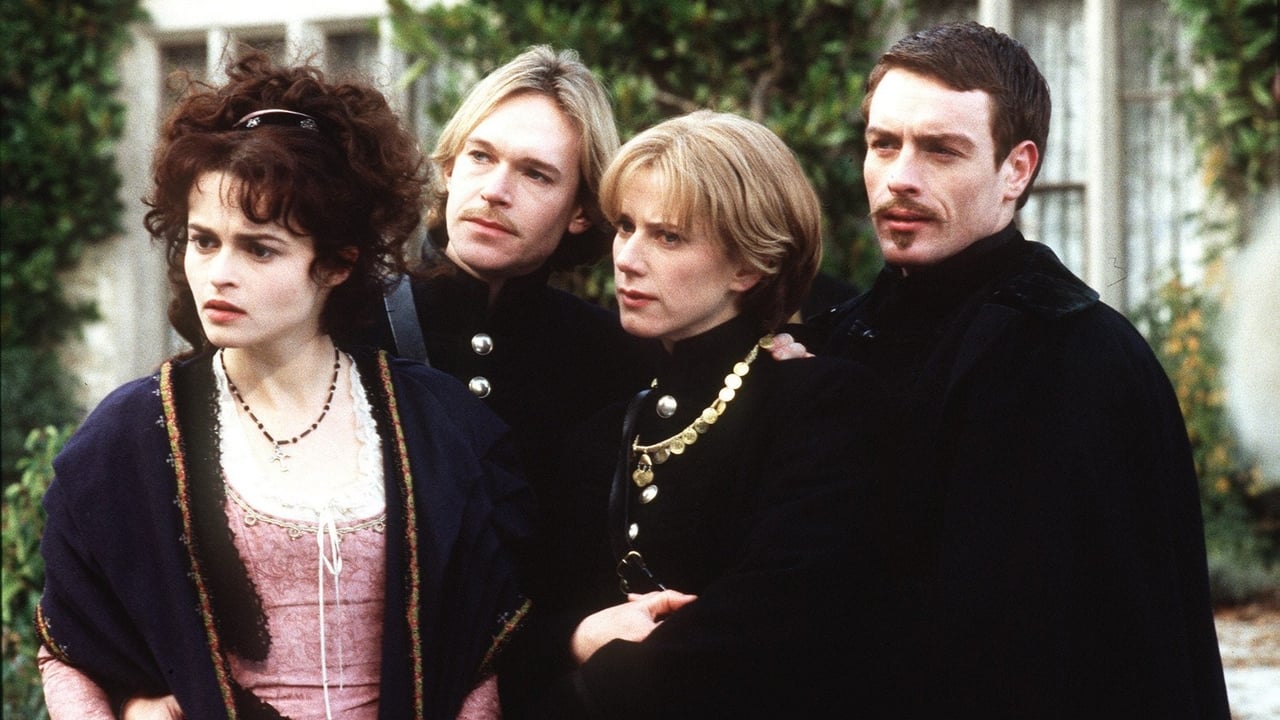
Twelfth Night — still 1
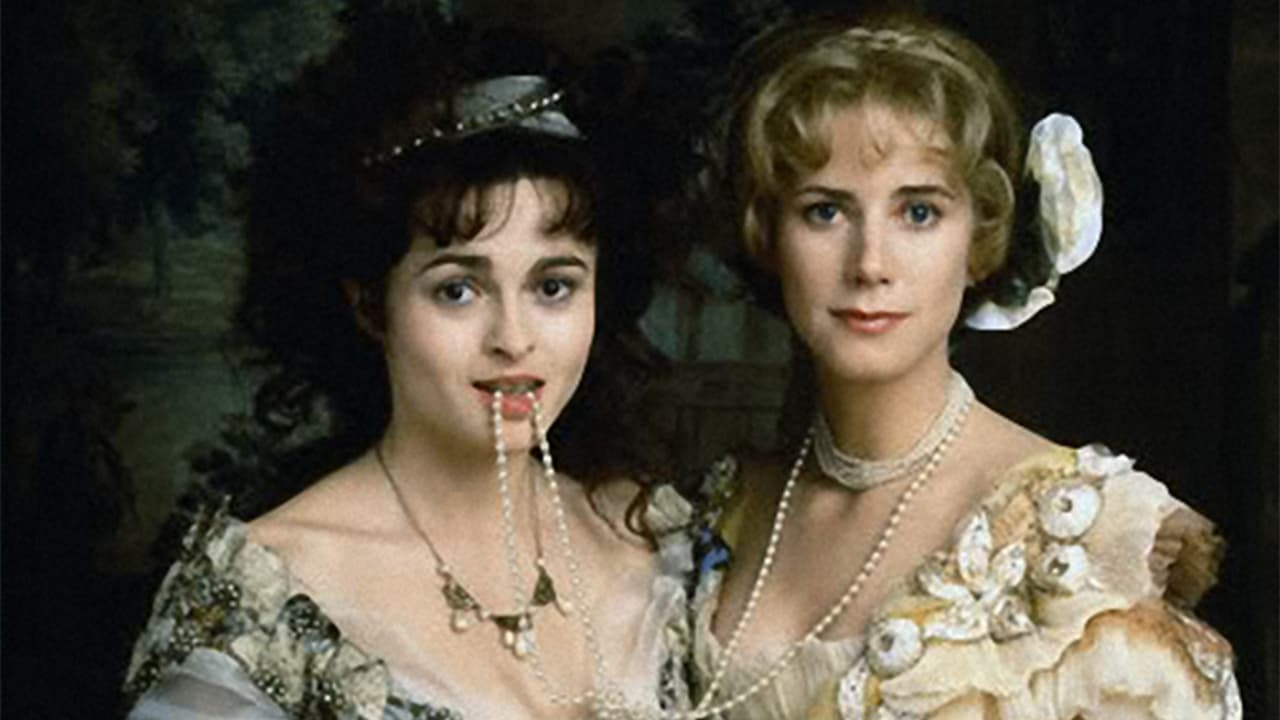
Twelfth Night — still 2
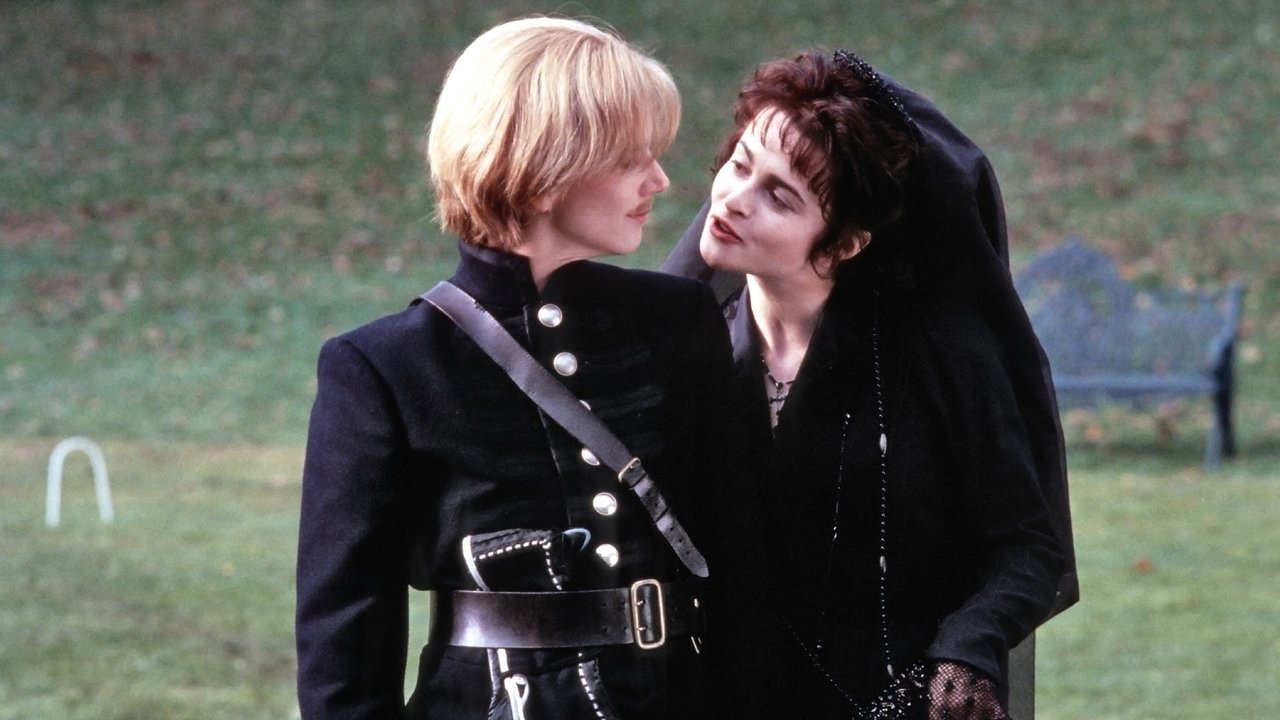
Twelfth Night — still 3
Twelfth Night — still 4

Ask Anything

Get a personalized guide on any topic