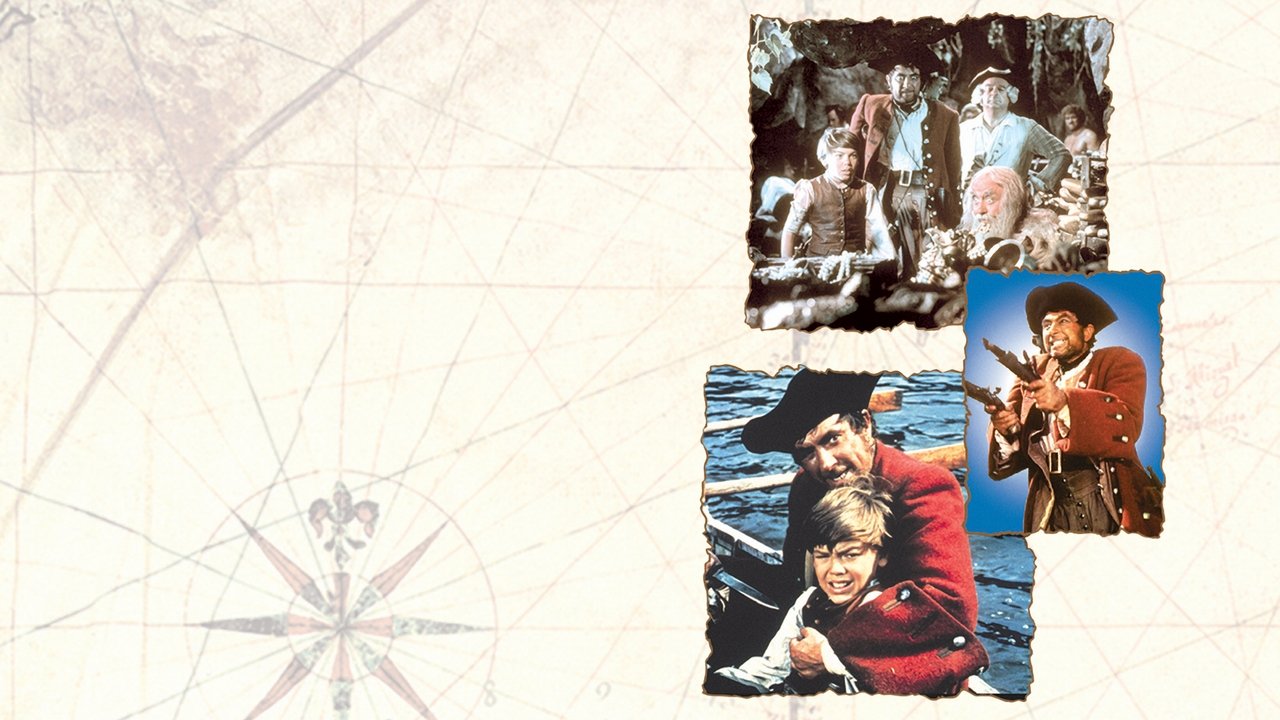
The Blueprint for Every Pirate Movie Since
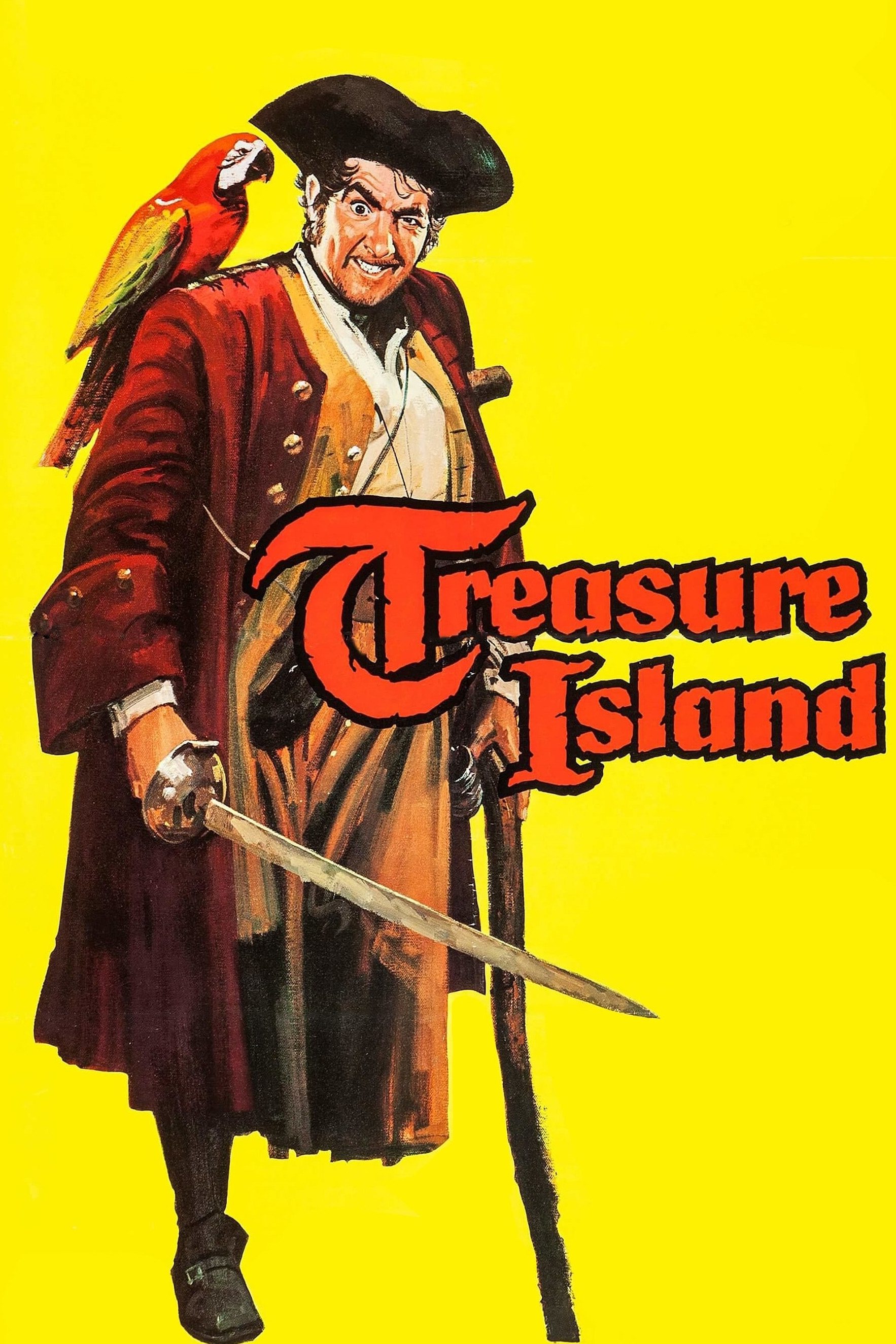
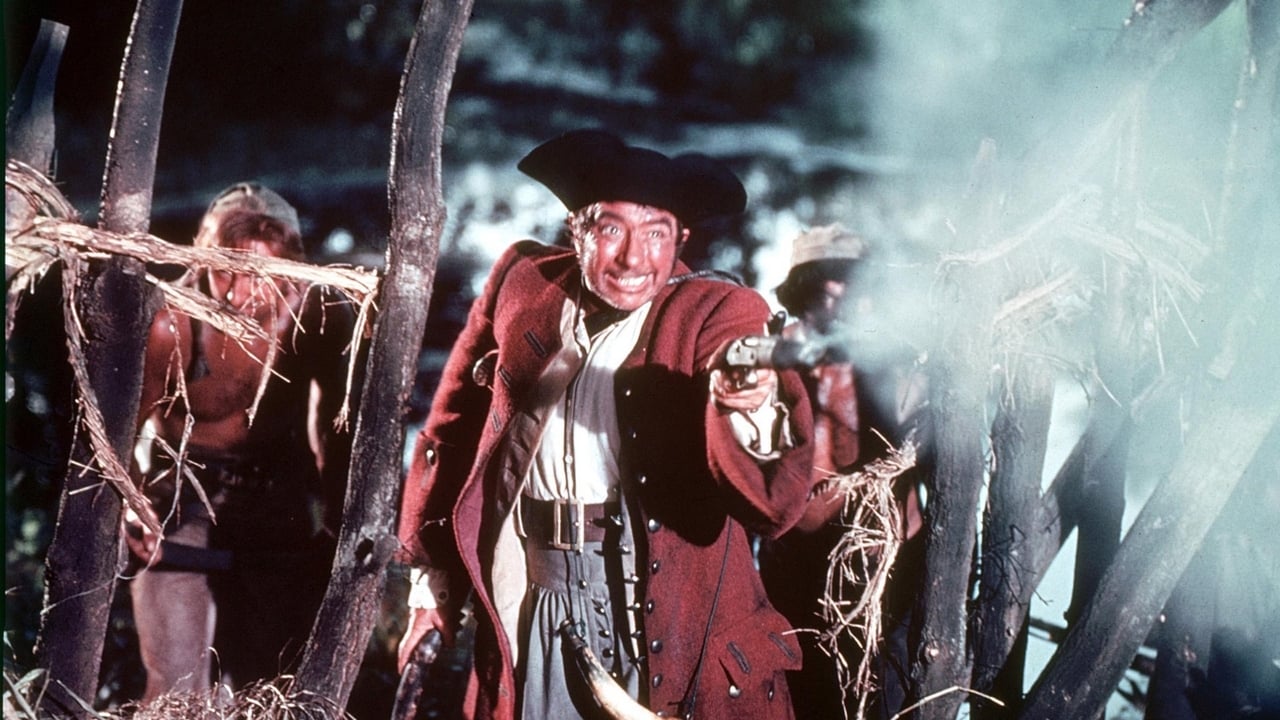
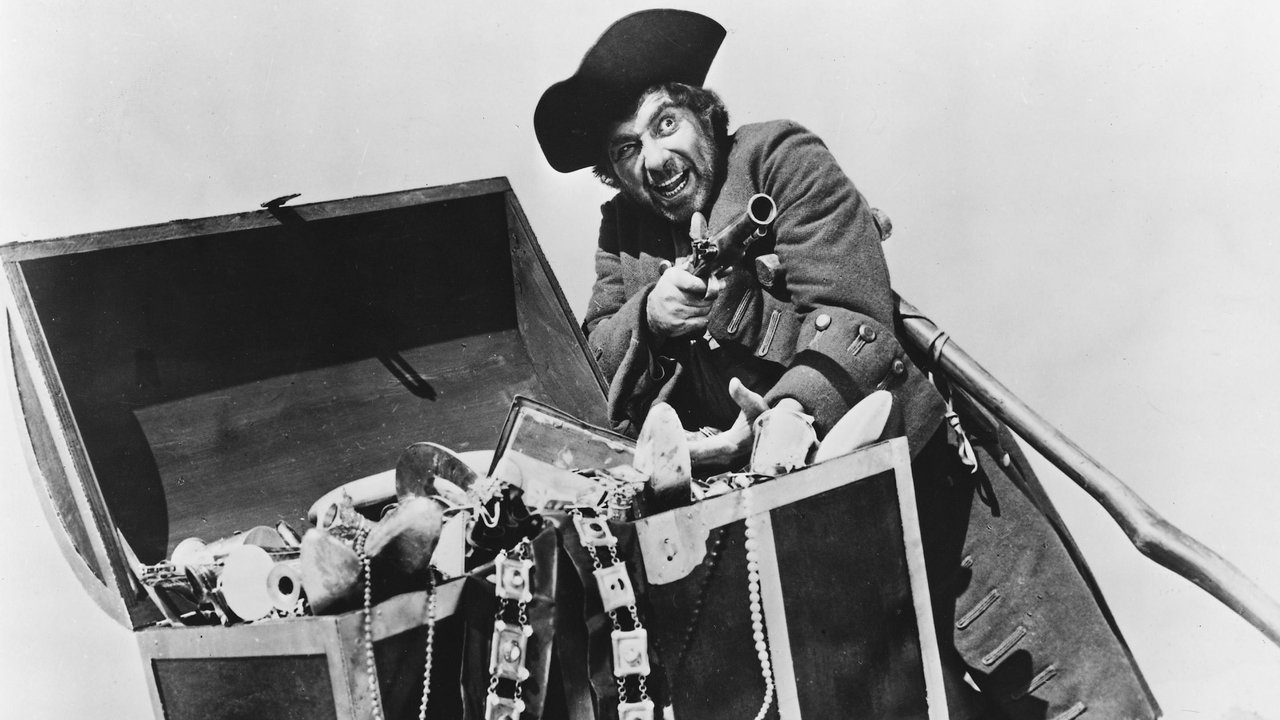
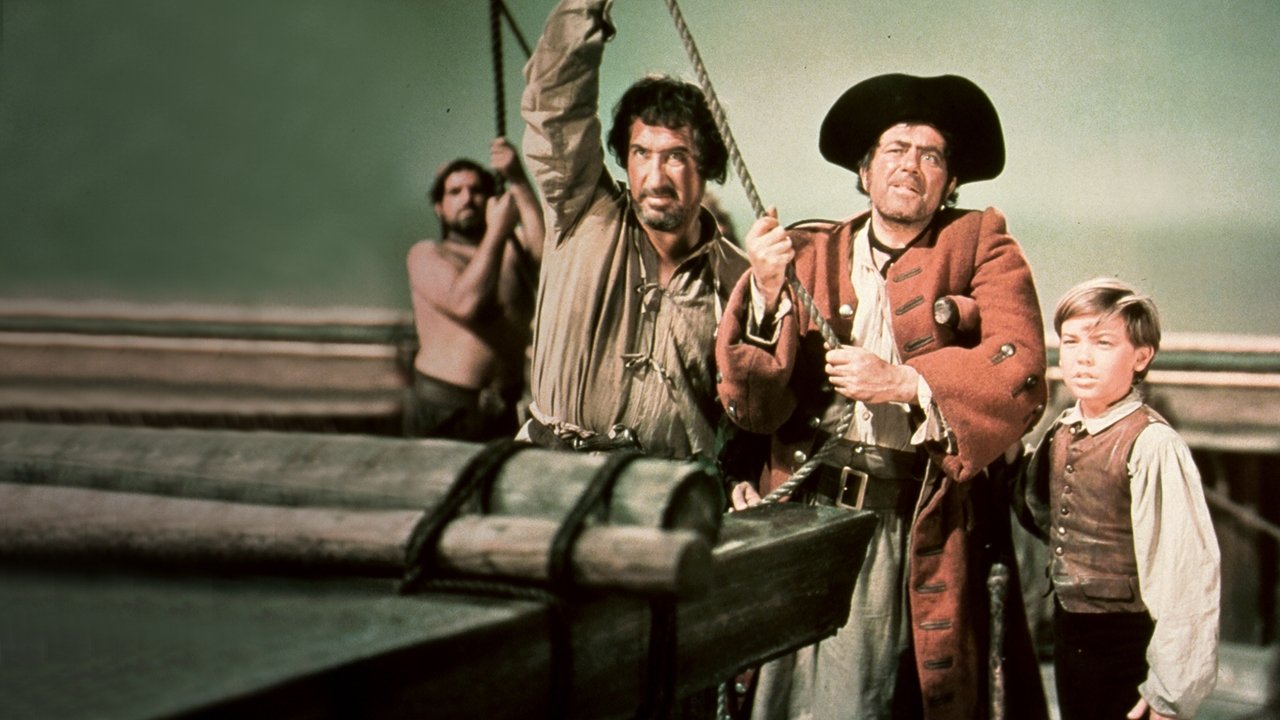
If your kid only knows pirates from Pirates of the Caribbean or One Piece, watching the 1950 Treasure Island feels like visiting the quarry where all those stones were cut. Robert Newton's performance as Long John Silver single-handedly created the West Country growl, the squint, and the theatrical menace that became universal pirate shorthand.
Technically, it is Disney's first completely live-action feature film, produced in Britain to use up frozen post-war European currency. That production quirk worked heavily in the movie's favor. The rugged Devon and Cornwall coastlines and real tall ships ground the story in a physical weight that contemporary green-screen movies struggle to fake.
The Jim and Silver Dynamic
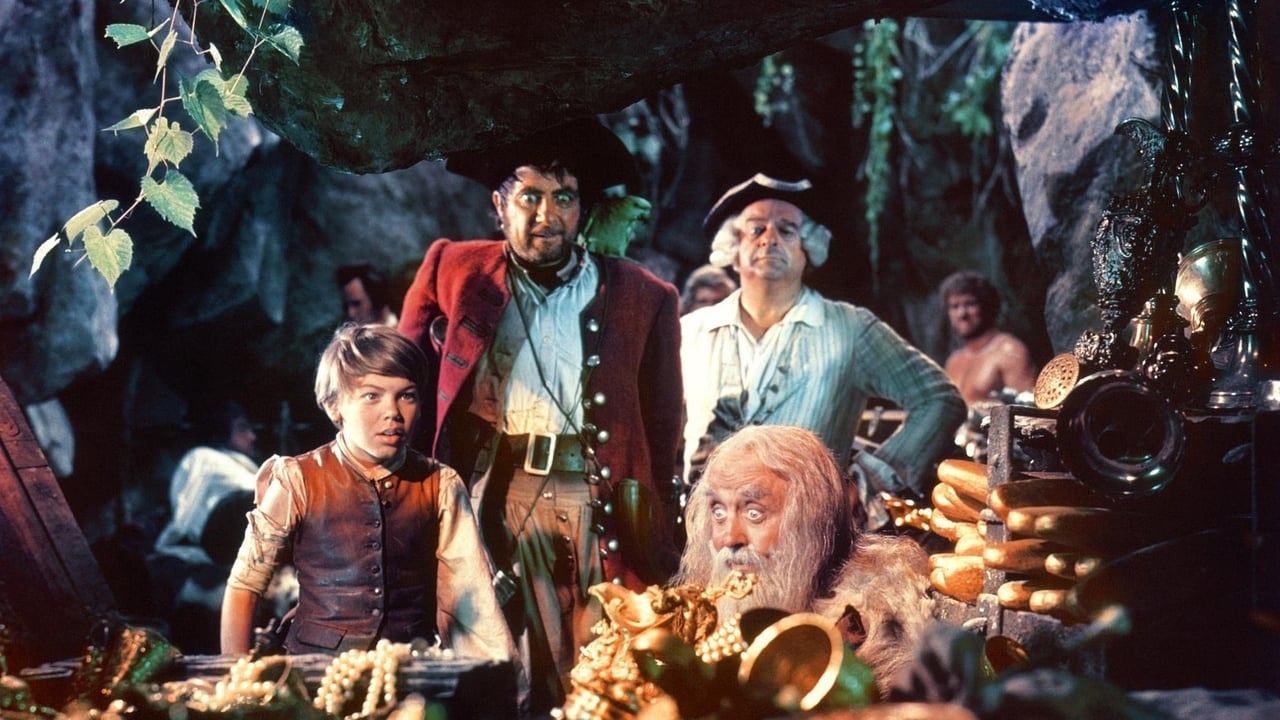
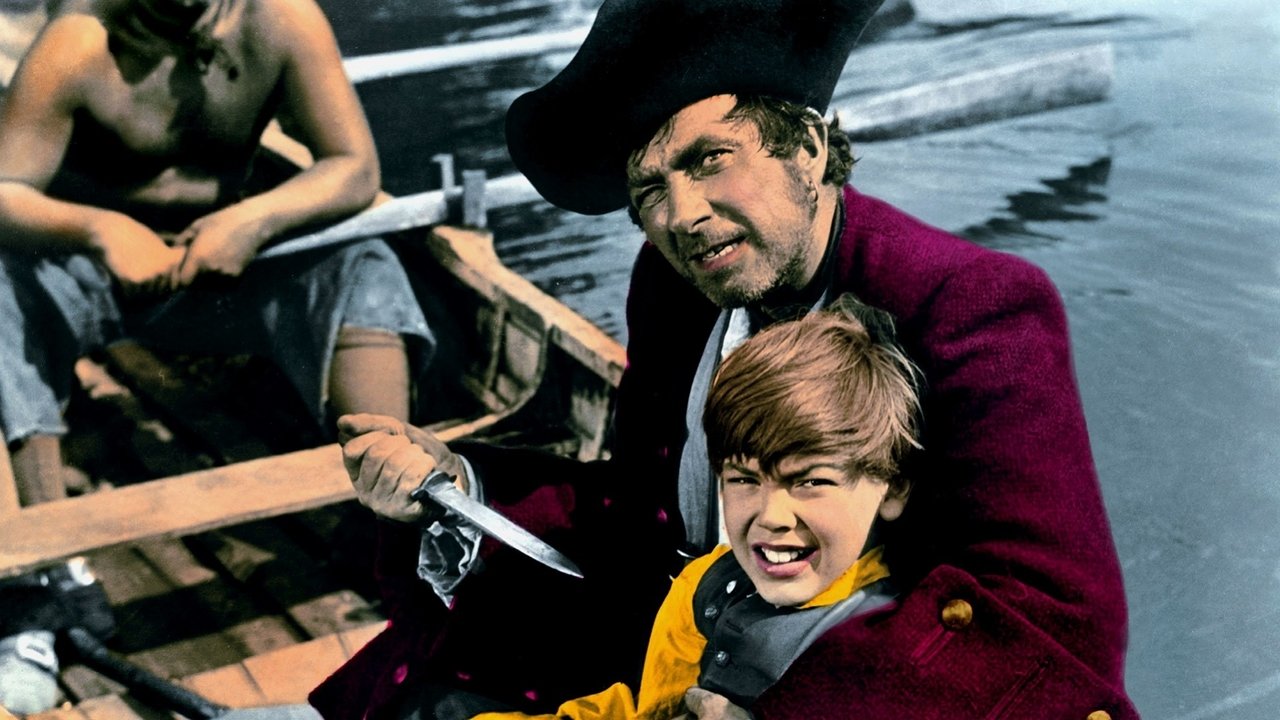
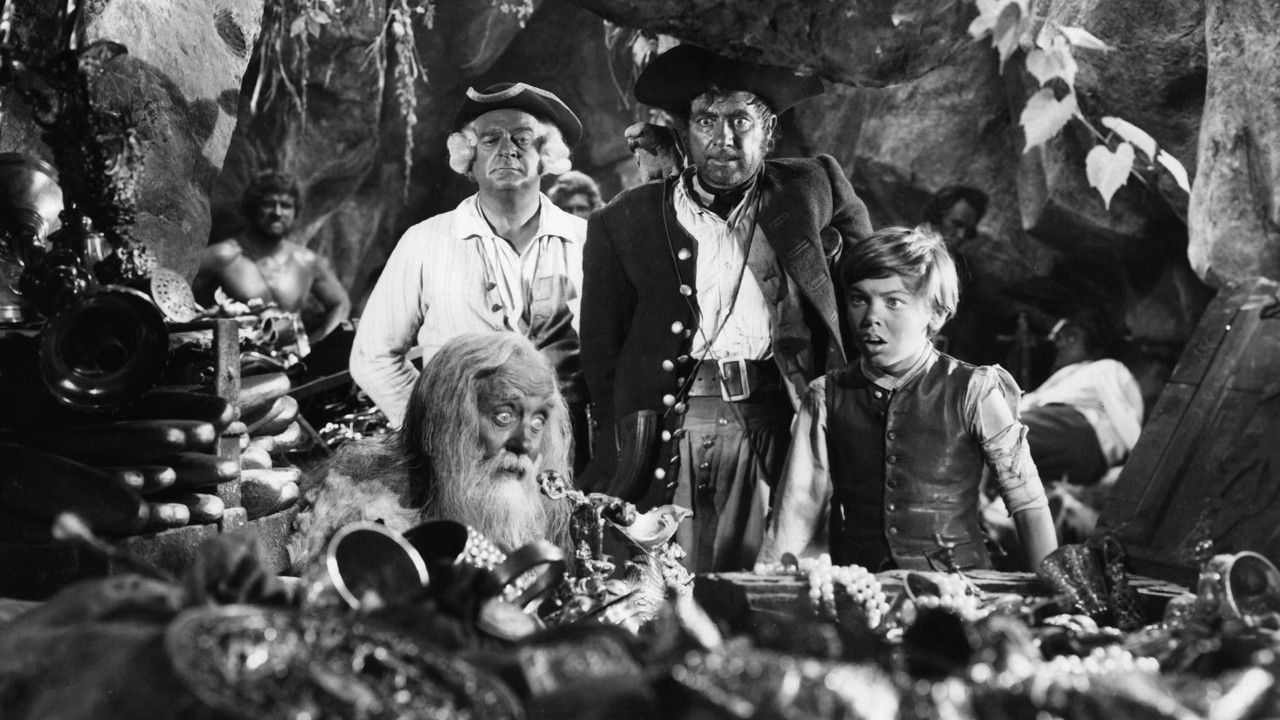
What elevates Robert Louis Stevenson's story above generic swashbucklers is the moral gray zone. Long John Silver is not a misunderstood hero. He is a ruthless thief who is entirely willing to slit throats to secure Flint's loot. Yet his affection for young Jim Hawkins (Bobby Driscoll) is genuine.
Watching Driscoll and Newton trade scenes teaches a sharp narrative lesson: bad people can possess real warmth, and charm is a pirate's sharpest weapon. Jim is forced to navigate conflicting loyalties without ever becoming cynical.
How It Plays Now
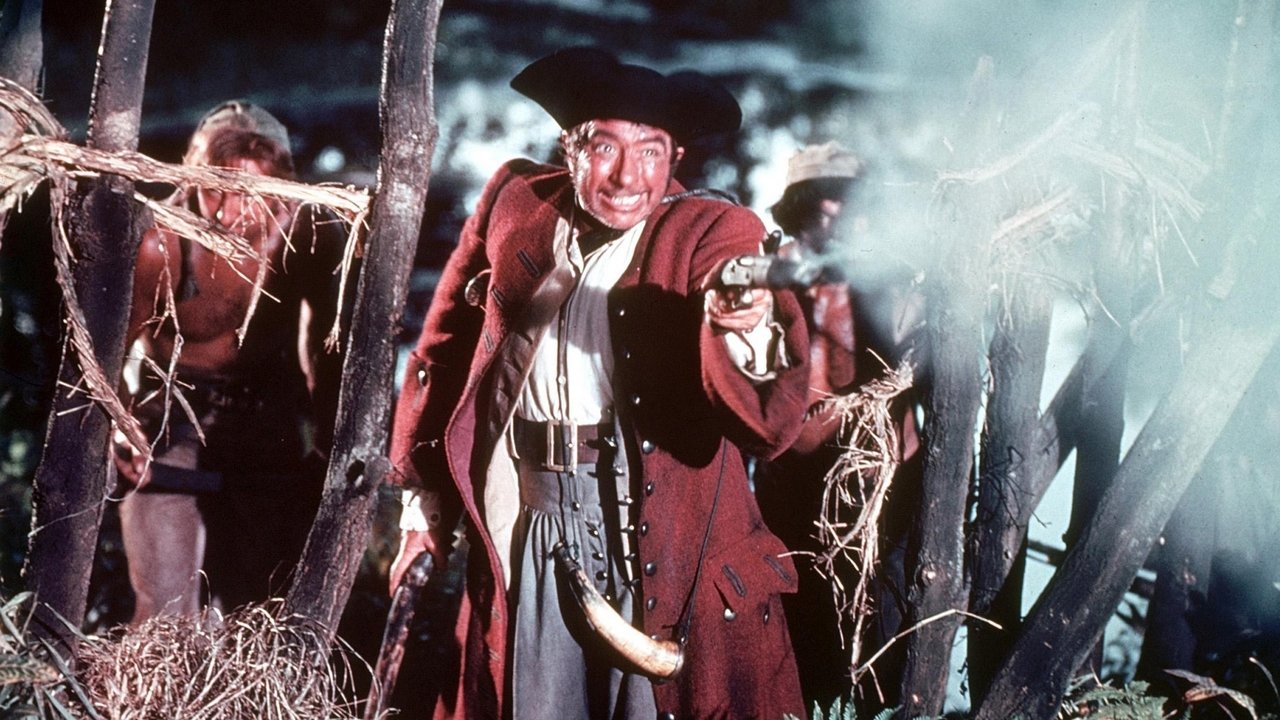
Do not expect the frenetic choreography of modern action cinema. The fights are scrappy, loud, and punctuated by flintlock smoke. For a kid hooked on modern, fast-cut editing, the first twenty minutes at the Admiral Benbow inn require some settling in. Turn on subtitles so the period vocabulary lands, and let the slow burn build.