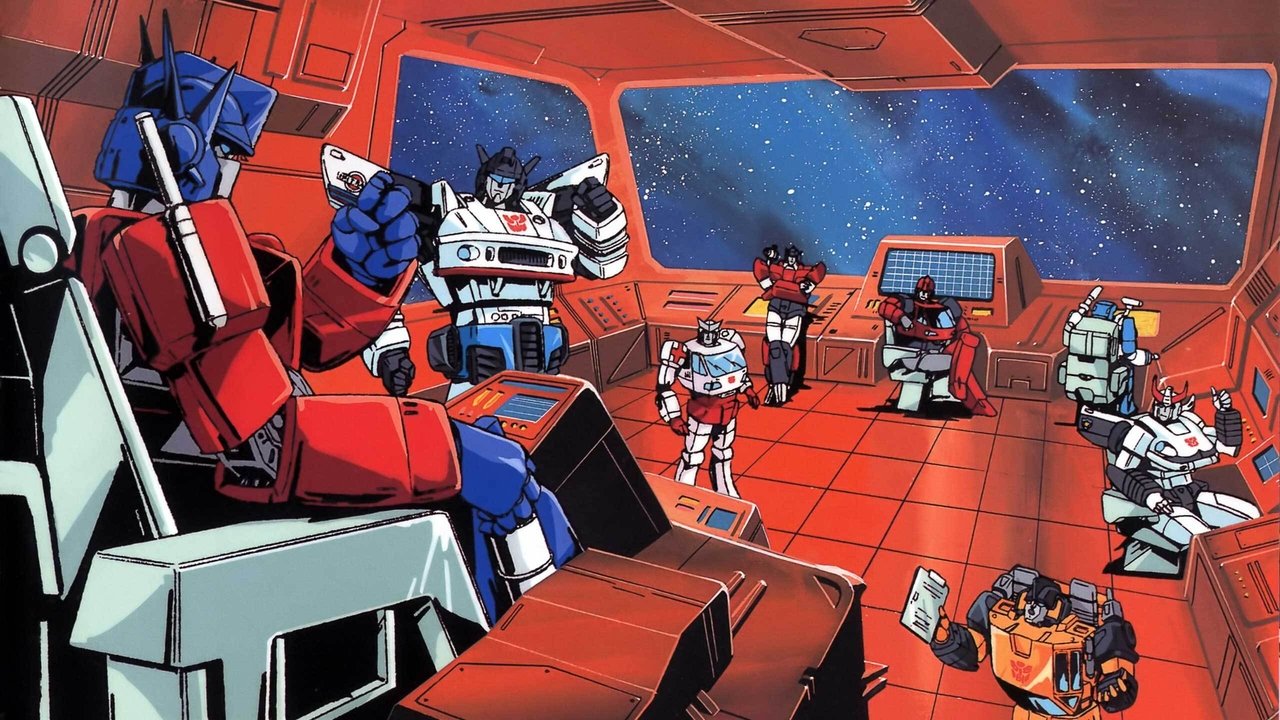
The 80s Robot Blueprint
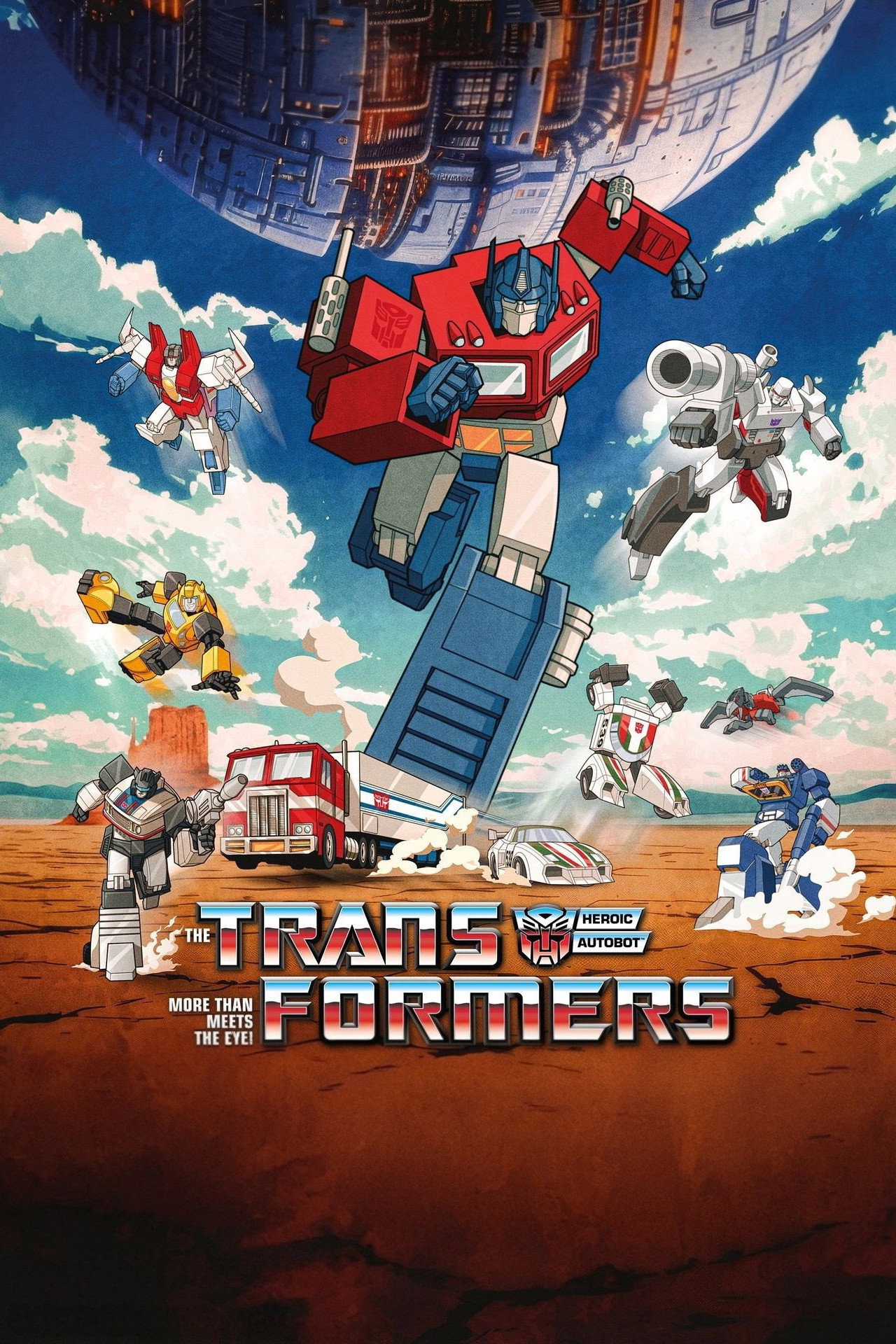
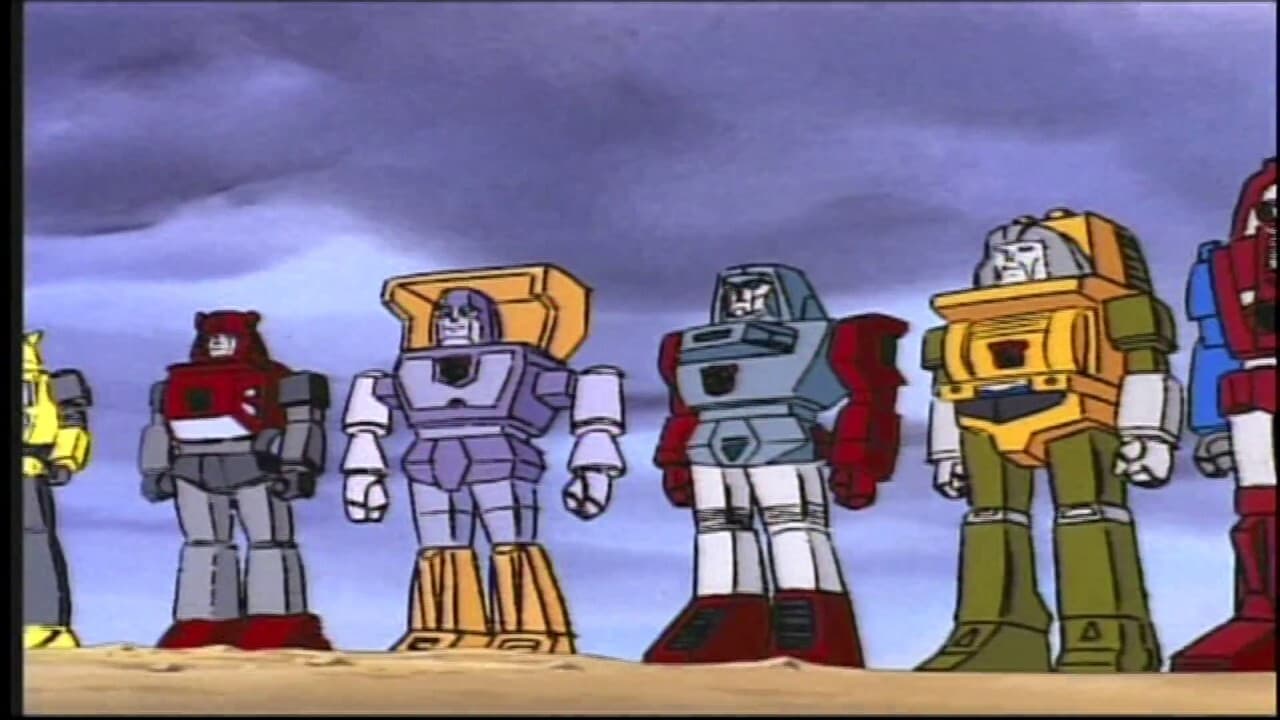
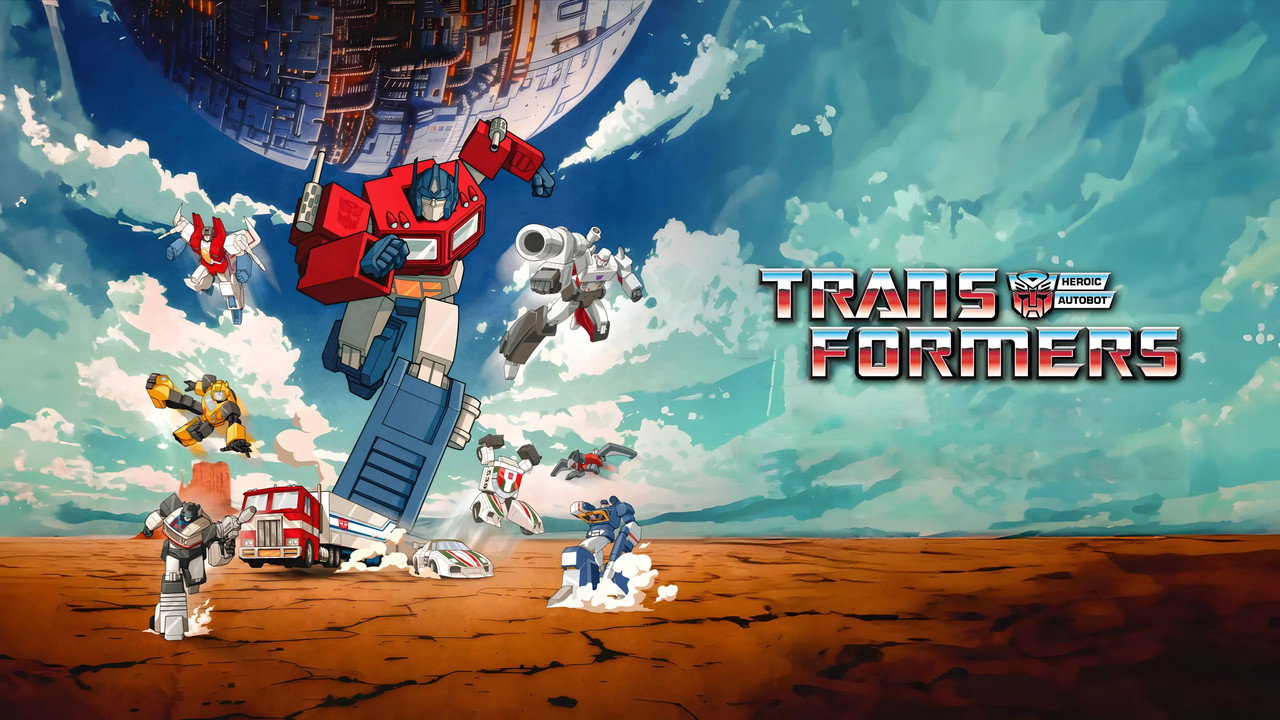
Watching the original 1984 Transformers today is a trip. If your kid is used to the high-fidelity CGI of the Michael Bay movies or even the more polished modern cartoons, the 'G1' (Generation 1) style might look like a relic. The frames drop, the colors swap, and sometimes a character is voiced by three different people in the same season.
But here’s why it still works: The character archetypes are ironclad.
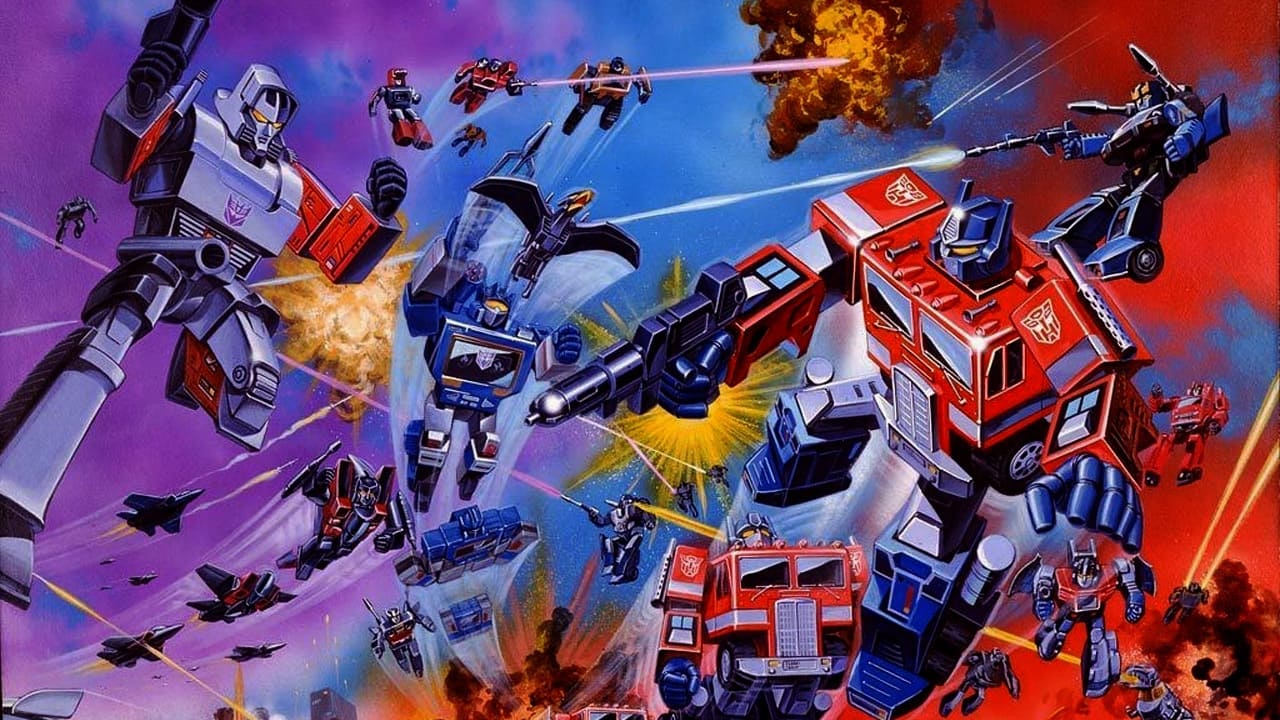
Optimus Prime isn't just a big truck; he's a father figure. Megatron isn't just a villain; he's a classic tyrant. For a kid, these clear-cut roles make the world easy to navigate. Unlike modern reboots that try to make the Transformers 'gritty' or 'complex,' the 1984 series is comfortable being a space opera for children.
The Toy Commercial Reality
You have to go into this knowing that Hasbro was calling the shots. If a character disappears for six episodes, it’s probably because the toy wasn't selling. If a new robot suddenly appears with no backstory, there’s a new SKU on the shelf. If you're trying to minimize 'gimme' culture, this show is a minefield. However, if your kid already has a box of robots, this is the lore that makes those toys come to life.
Leadership and Ethics
Surprisingly, the show handles leadership better than most modern equivalents. Optimus Prime often chooses the harder, more ethical path over the easy win. He’s a 'strong' character who isn't a bully—a distinction that’s always worth reinforcing. It’s not deep, but it’s consistent.
If the animation is too dated for your kid to sit through, skip to the 1986 movie (though be warned: it’s famous for traumatizing a generation by killing off several main characters to make room for new toys). Otherwise, the original series is a harmless, high-concept romp that still manages to be more charming than its billion-dollar movie successors.