The lure of the "Wolf"
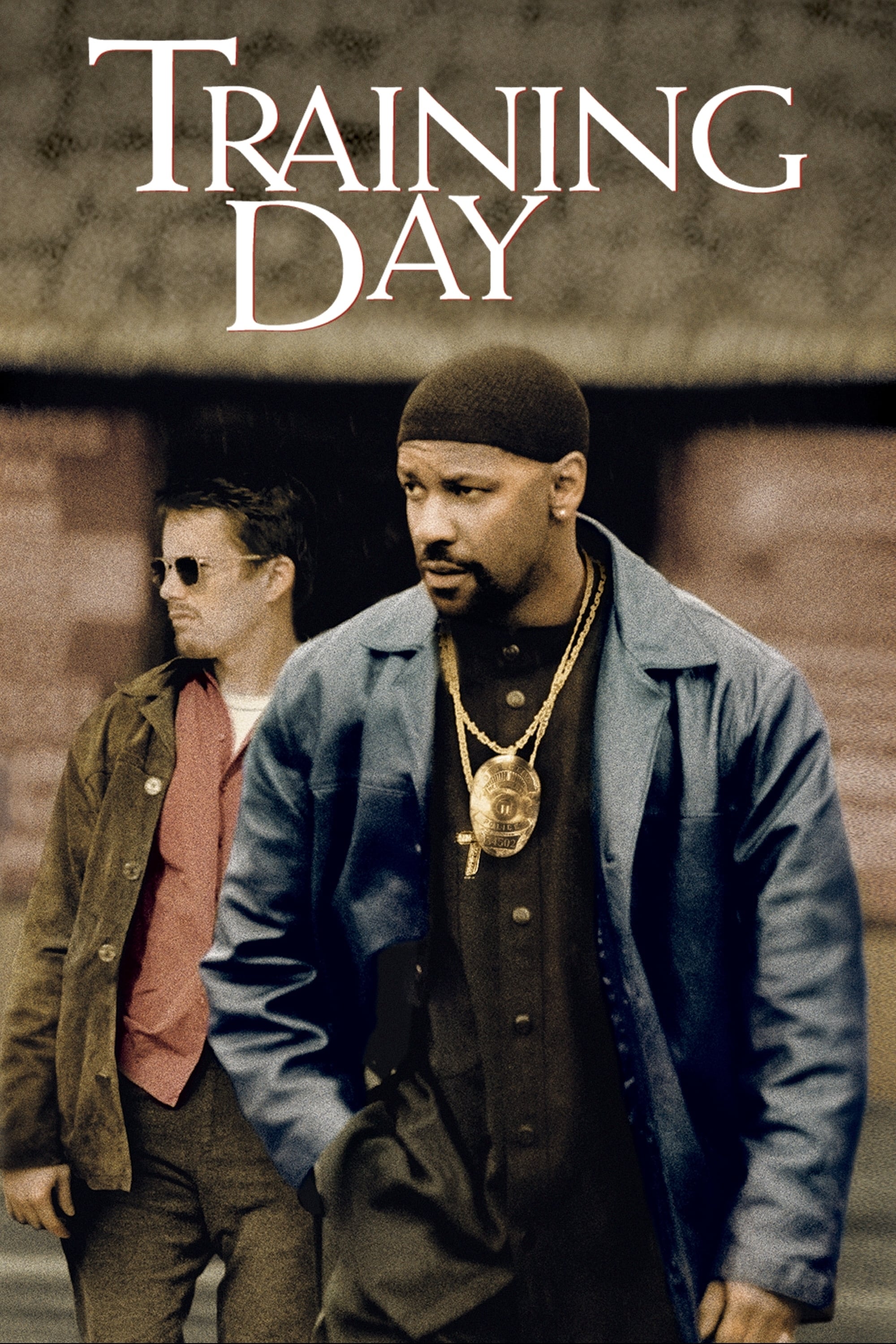
The movie kicks off in a sunny Los Angeles diner, looking like a standard mentor-student setup. By the time the sun sets, it has devolved into a fever dream. Most crime movies give you a slow burn; Training Day is a landmine. It works because it doesn't start with a shootout. It starts with a conversation about the "line" and whether you have the stomach to cross it.
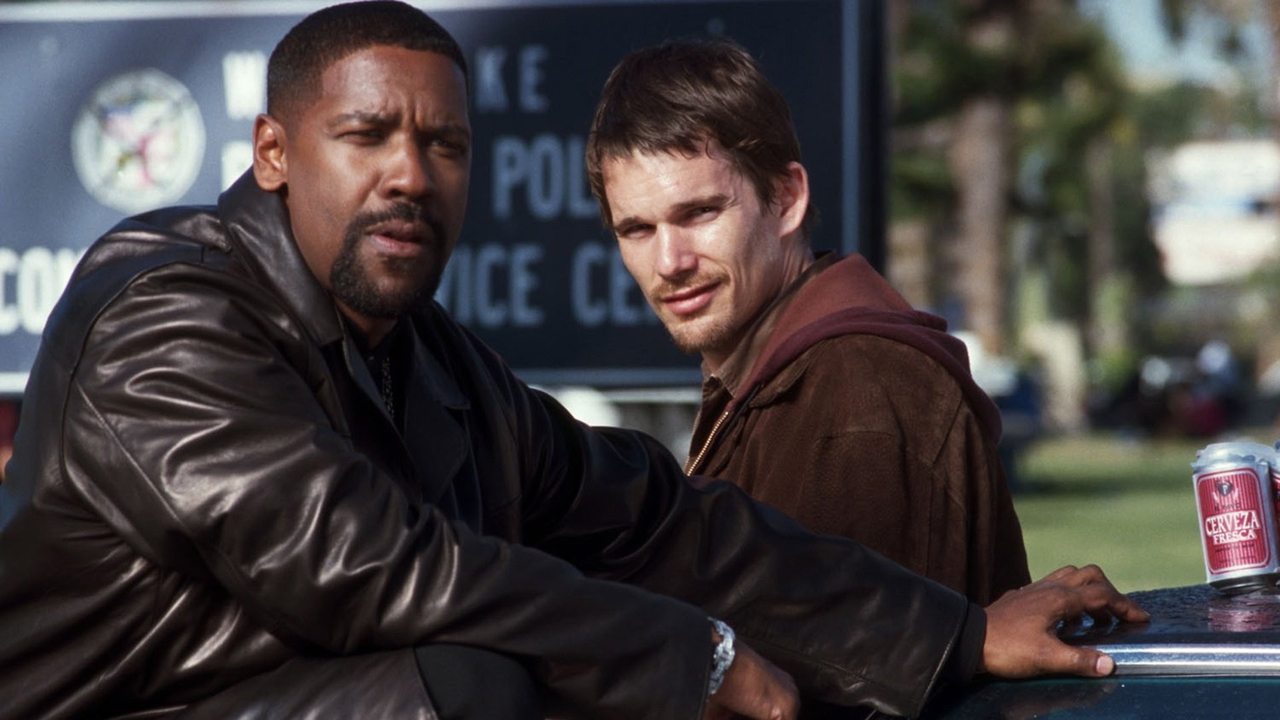
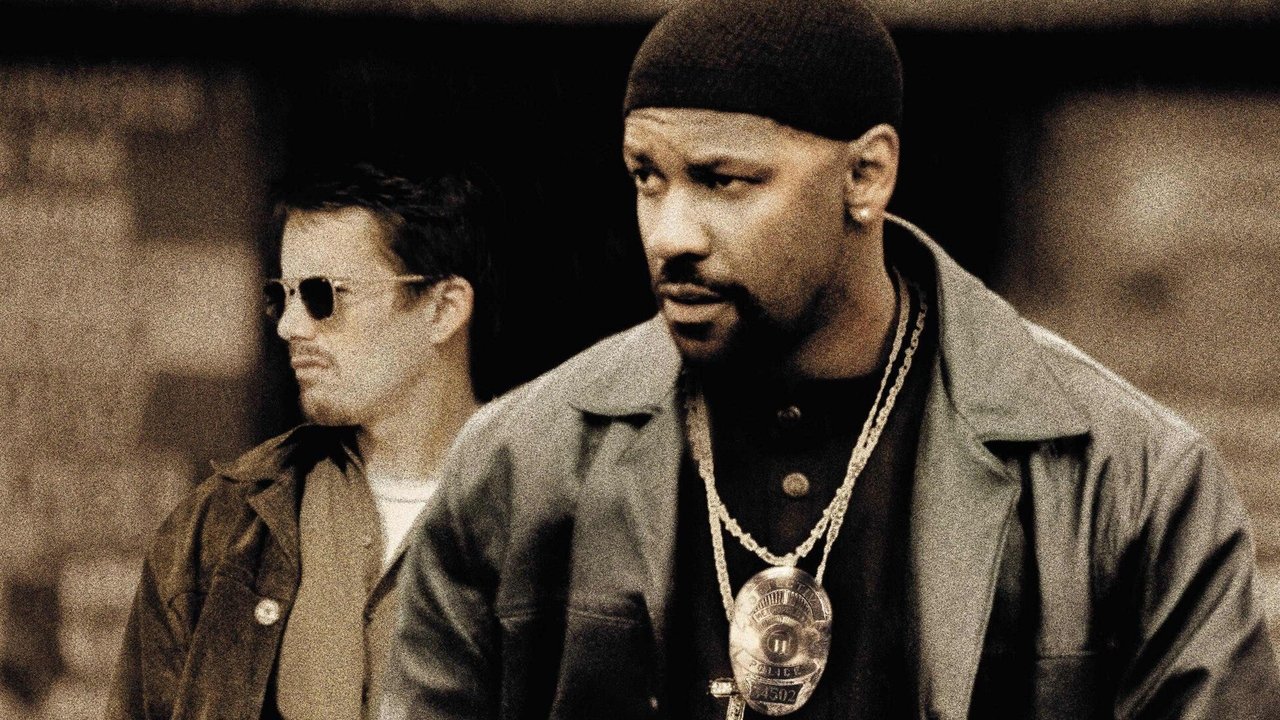
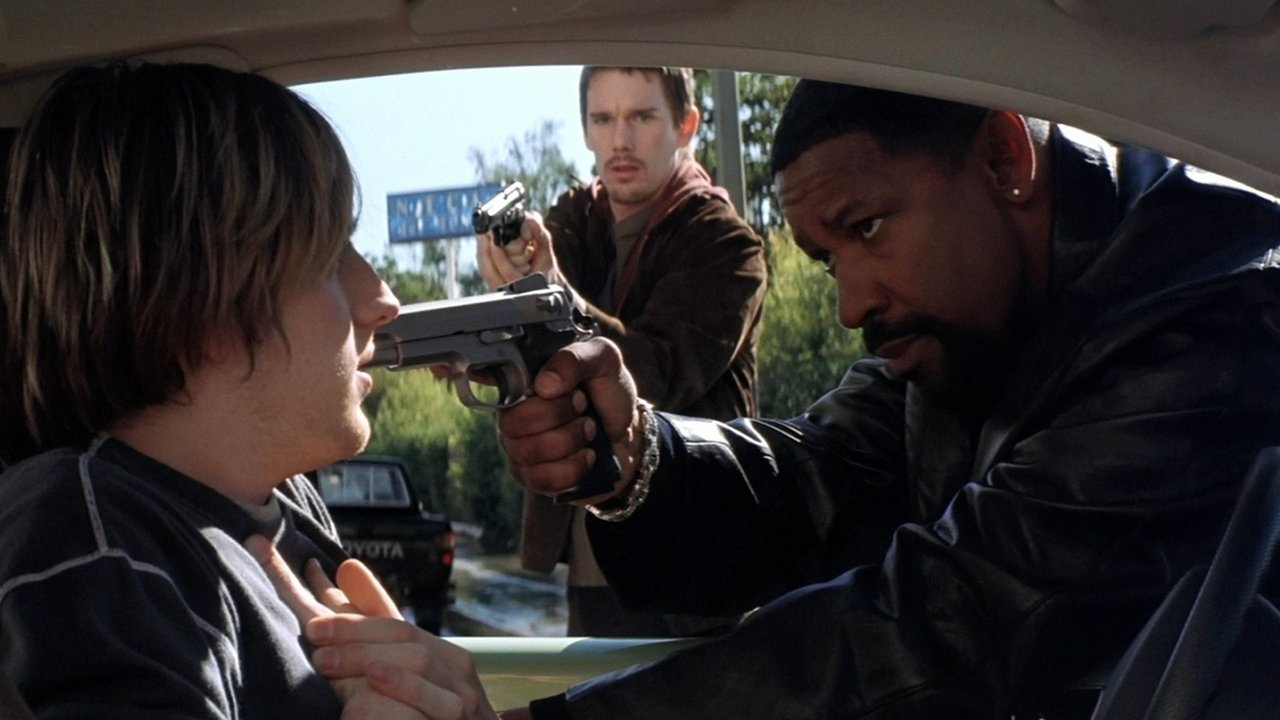
The performance from Denzel Washington is the engine here. He isn't playing a mustache-twirling villain. He’s playing a man who has convinced himself that his corruption is a necessary sacrifice. He is charismatic enough that for the first half-hour, you might actually find yourself nodding along to his "wolf and sheep" logic. That’s the trap the movie sets for the rookie, and it’s the same trap it sets for the audience. When the mask finally slips, the realization is genuinely nauseating.
Why the "One Day" format works
The 24-hour timeline is what keeps this from feeling like a generic police procedural. Because everything happens in a single shift, the tension never has a chance to dissipate. There are no subplots about the rookie’s home life or the captain’s retirement party to give you a breather.
Critics and audiences are unusually aligned on this one, with a high Rotten Tomatoes Audience score (89%) and a solid 4 on Letterboxd. That’s because it’s a visceral experience rather than an intellectual one. It’s less about the logistics of the LAPD and more about the psychological weight of being trapped in a car with a predator. If your teen is used to modern thrillers that rely on jump scares or CGI, the grounded, dialogue-heavy tension here will be a massive change of pace.
Beyond the "Cop Movie" label
If your kid is into gritty dramas or stories where the "hero" is actually the antagonist, this is the blueprint. It’s closer to a western or a horror movie than a standard action flick. The rookie is essentially a kid lost in the woods, and the wolf is the one holding the map.
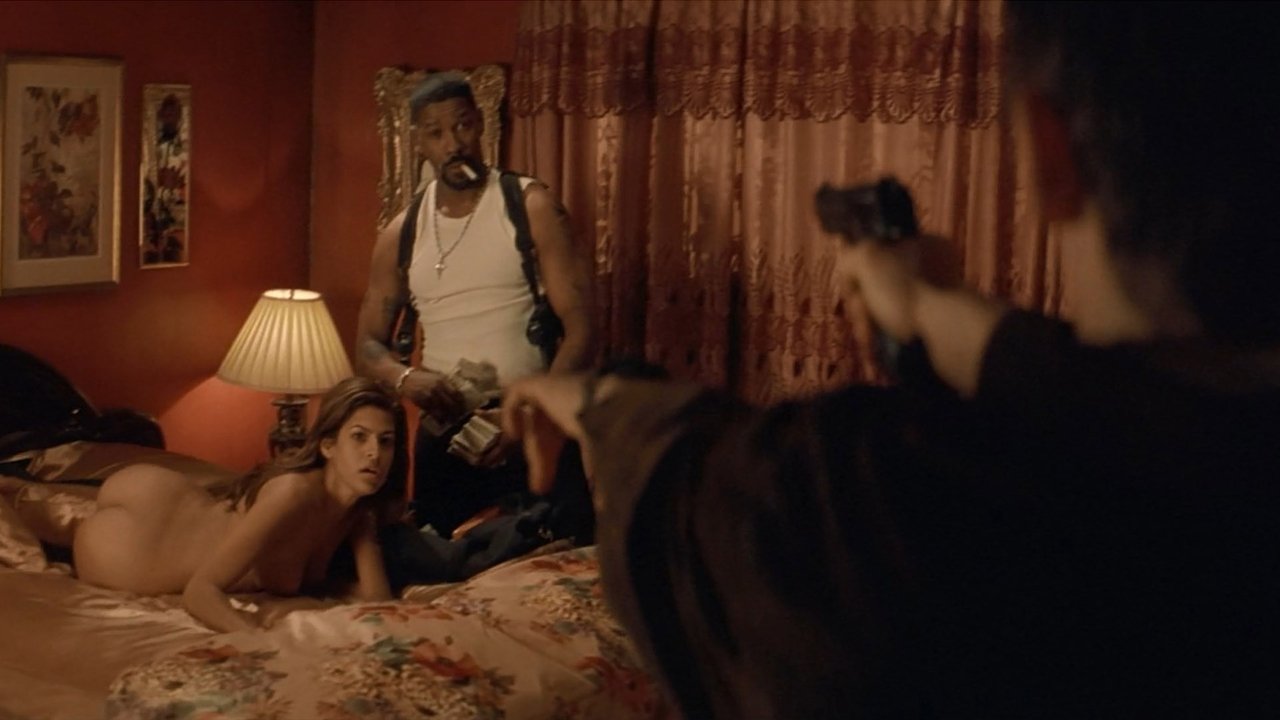
The specific friction for parents usually comes down to the nihilism. There are no "clean" wins in this story. Even when the rookie stands his ground, the world around him remains broken. It’s a cynical look at power that doesn't offer easy answers or a feel-good ending. If you’re watching this with an older teen, the real value isn't in the action scenes. It’s in watching the rookie realize that the person he’s supposed to look up to is actually the most dangerous person in the city.
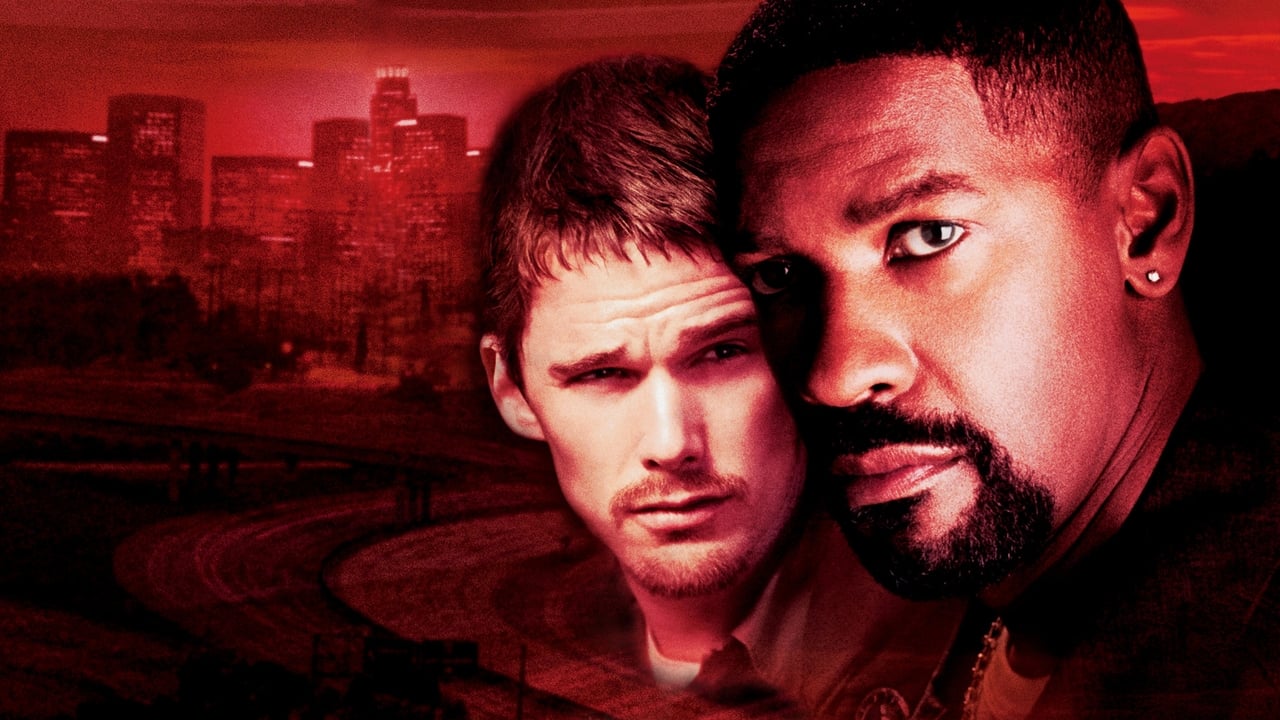
It’s a masterclass in atmosphere, using the geography of Los Angeles to make the rookie feel increasingly isolated. By the time they reach the neighborhoods in the final act, the city itself feels like a character that has turned against him. It’s high-stakes, high-stress filmmaking that earns its reputation.