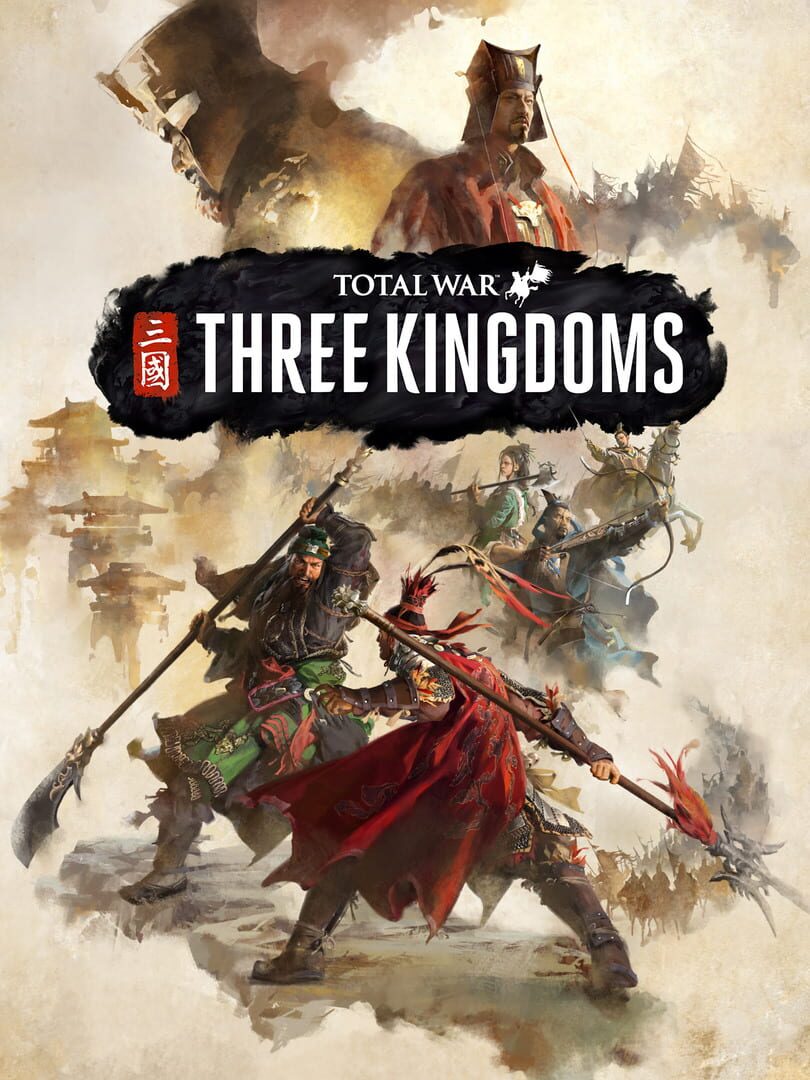
Two games in one: Empire building meets battlefield tactics
Every Total War game splits the brain in two different directions, and Three Kingdoms is the sharpest version of the formula.
Half the time is spent on a gorgeous, ink-wash style campaign map of ancient China. This part is turn-based, quiet, and cerebral—like a massive board game. You decide which cities get granaries, who marries whom to secure a peace treaty, and whether you can afford to raise a second army before winter hits.
When two armies collide, the game zooms down into a 3D battlefield where thousands of soldiers march in formation in real time. Here, the player is a field general: hiding spear infantry in the forest to ambush enemy cavalry, putting archers on the high ground, and trying to break the enemy's morale so they rout.
The characters drive the strategy
Earlier historical Total War games treated generals as disposable stat-sticks. Three Kingdoms is built around the classic Chinese epic Romance of the Three Kingdoms, where personalities are everything.
Your generals have distinct traits, rivalries, and ambitions. Put two generals who hate each other in the same army and they'll bicker; fail to give a legendary warrior like Guan Yu or Lu Bu a high enough court title and he might defect to your rival—or worse, reveal he was a spy all along. It turns dry spreadsheet management into an ongoing political drama.
How to introduce it
If your kid is curious about strategy games or military history, co-playing the first campaign is a great weekend project. Pick Cao Cao or Sun Jian for a first run—their starting positions are forgiving and their faction mechanics are straightforward. Avoid starting as Dong Zhuo or the Yellow Turbans unless you enjoy watching your economy collapse in twenty minutes.