The collector's trap
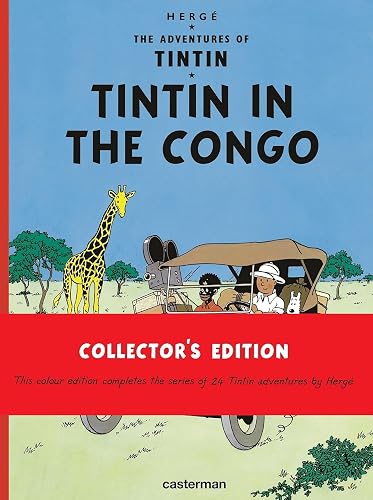
If you see that 4.7-star rating on Amazon and think you’re buying a beloved childhood classic, you’re looking at a data point driven by completionists and art historians, not parents reading to their seven-year-olds. People buy this book because they want the full set on their shelf or because they’re obsessed with Hergé’s early development of the Ligne Claire style. As a piece of art history, it’s a fascinating look at how the series began. As a story for a modern kid, it’s a slog.
The biggest issue isn't just the politics; it’s that the writing is objectively weak. Hergé hadn't found his rhythm yet. The plot is a series of loosely connected vignettes that feel more like a rough draft than the tight, cinematic mysteries of the later volumes. If you’re trying to build a love for the character, this is the quickest way to kill it.
Beyond the stereotypes
Most of the conversation around this book focuses on the racial caricatures, which are undeniably extreme. But for many modern kids, the specific friction point is actually the animal cruelty. We’re talking about a version of Tintin who doesn't just hunt; he participates in what feels like a one-man war against the local wildlife.
There is a notorious scene where Tintin drills a hole in a rhinoceros, stuffs it with dynamite, and blows it to bits. In another, he kills several monkeys just to use one of their skins as a disguise. For a generation of kids raised on Wild Kratts and conservation-heavy media, this isn't just "dated"—it’s horrifying. It turns the hero into a villain before the first chapter is even over.
Where to go instead
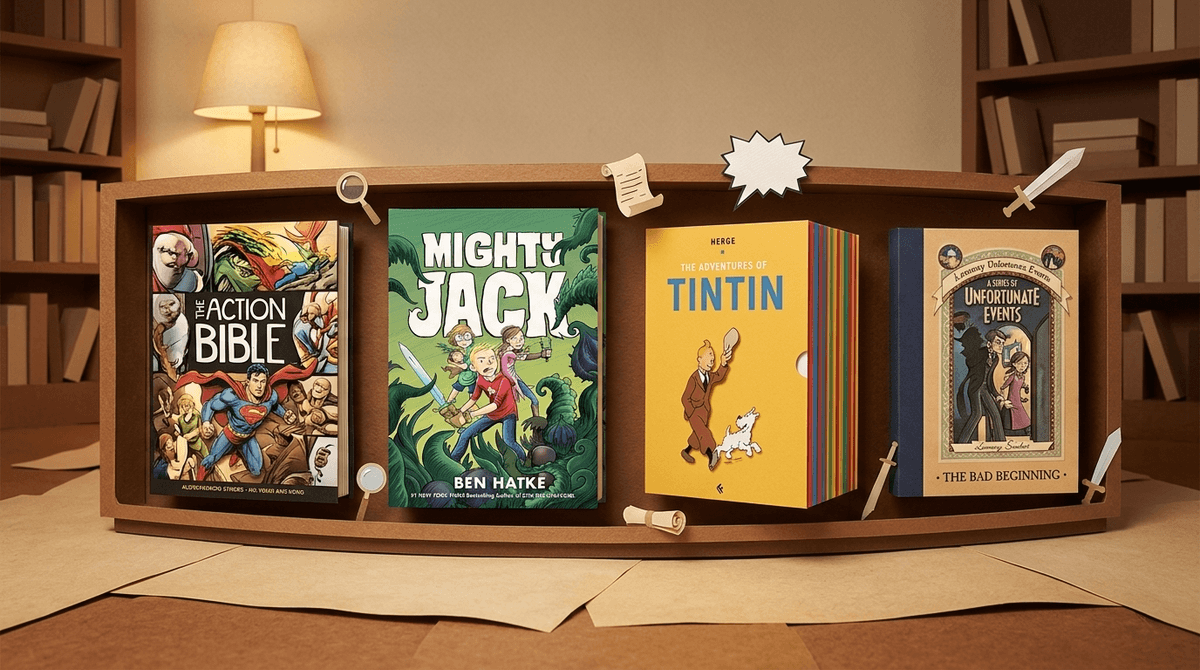
If your kid is interested in the retro-adventure vibe or the clean, bright art style, you have much better options that don't require a three-hour history lecture. You can find a better balance of mystery and action in The Adventures of Tintin: Retro Mystery or Problematic Classic? without the baggage of this specific volume.
- The Blue Lotus: This is where Hergé actually did his homework. It covers China during the Japanese occupation and is widely considered the moment the series became "real" literature.
- The Secret of the Unicorn: This is the gold standard for the "boy reporter" energy. It’s a pure treasure hunt with zero of the colonial cringe found in the Congo.
- Tintin in Tibet: If you want to show your kid a version of Tintin who is deeply empathetic and heroic, this is the one to buy.
How to handle the "curio" factor
If you already own this or your kid found a copy at the library, don't treat it like a forbidden text. That just makes it more interesting. Instead, treat it as a museum piece. It’s a very loud, very clear example of what European "adventure" stories looked like a century ago.
If you have a 12-year-old who is interested in how media changes over time, this is a great compare-and-contrast tool. Put it next to Tintin in Tibet and ask them to look at how the characters are drawn and how the locals are treated. The growth in Hergé’s perspective is massive, and seeing that evolution can actually be a pretty enriching experience for a middle-schooler who is starting to look at media with a more critical eye. For everyone else, just skip it. There are 22 other books in the series that are actually worth your time.