The Art of the Uncanny
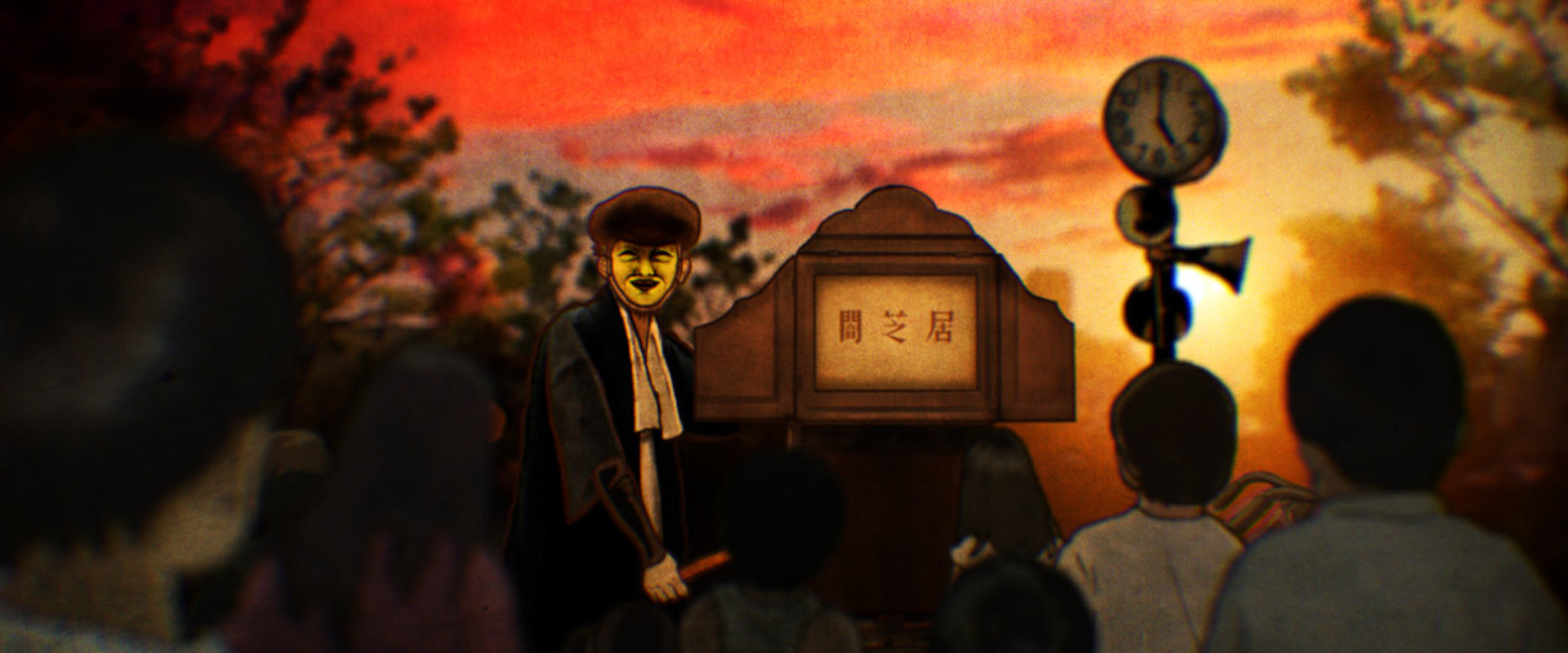
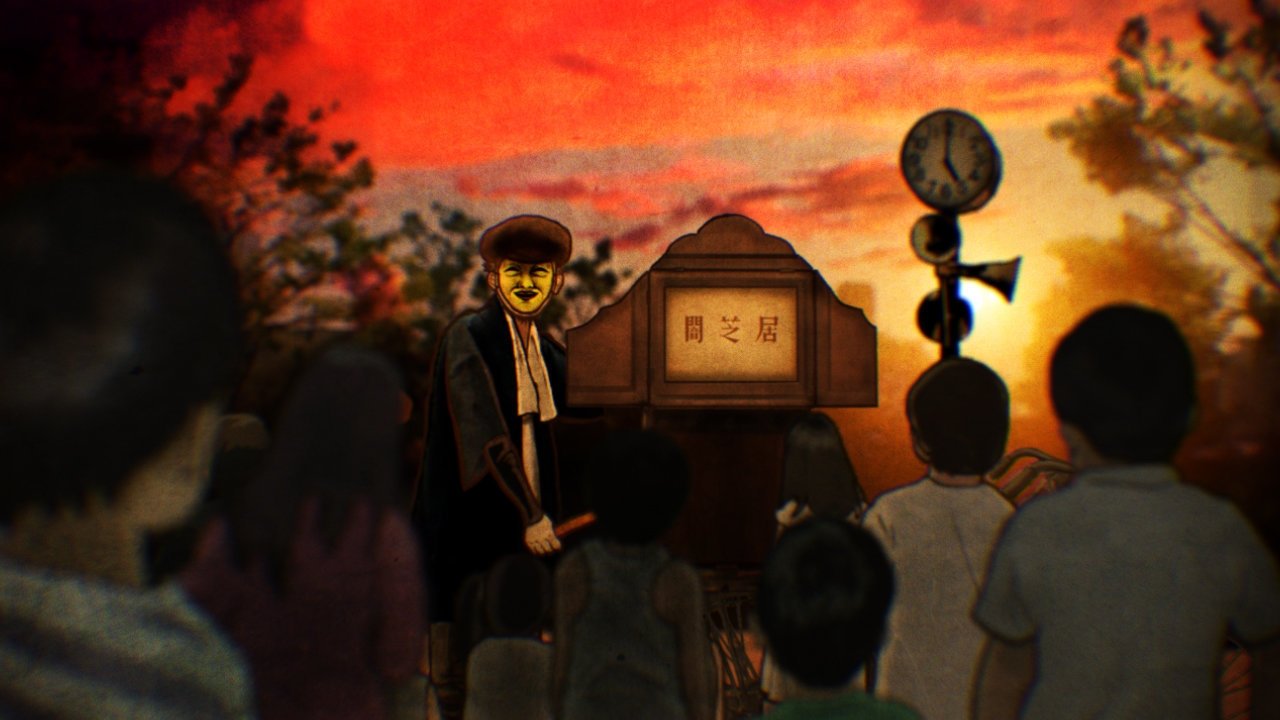
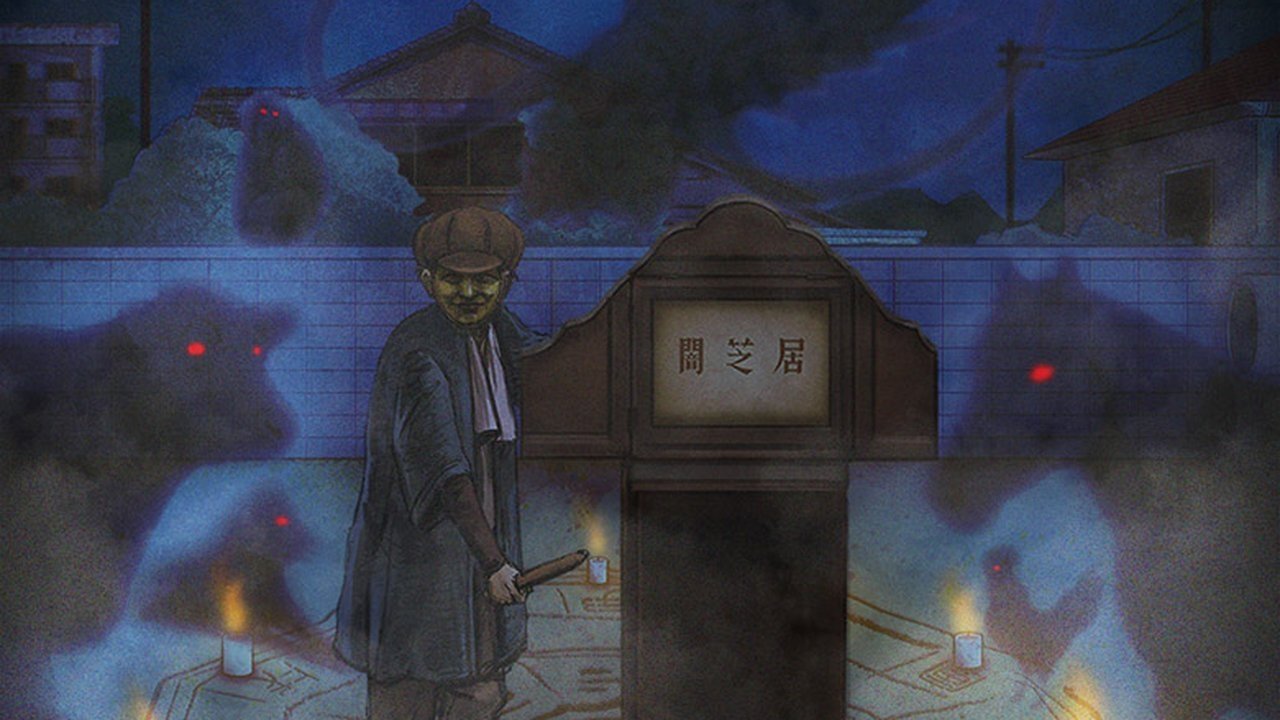
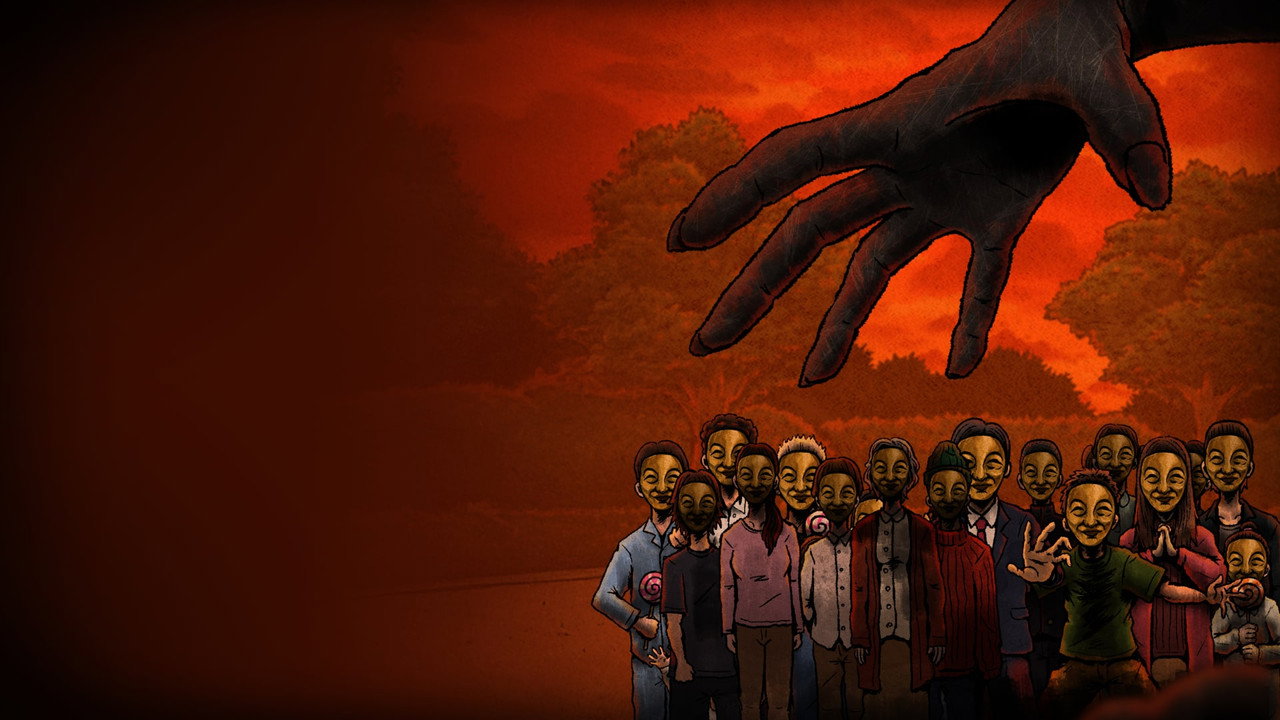
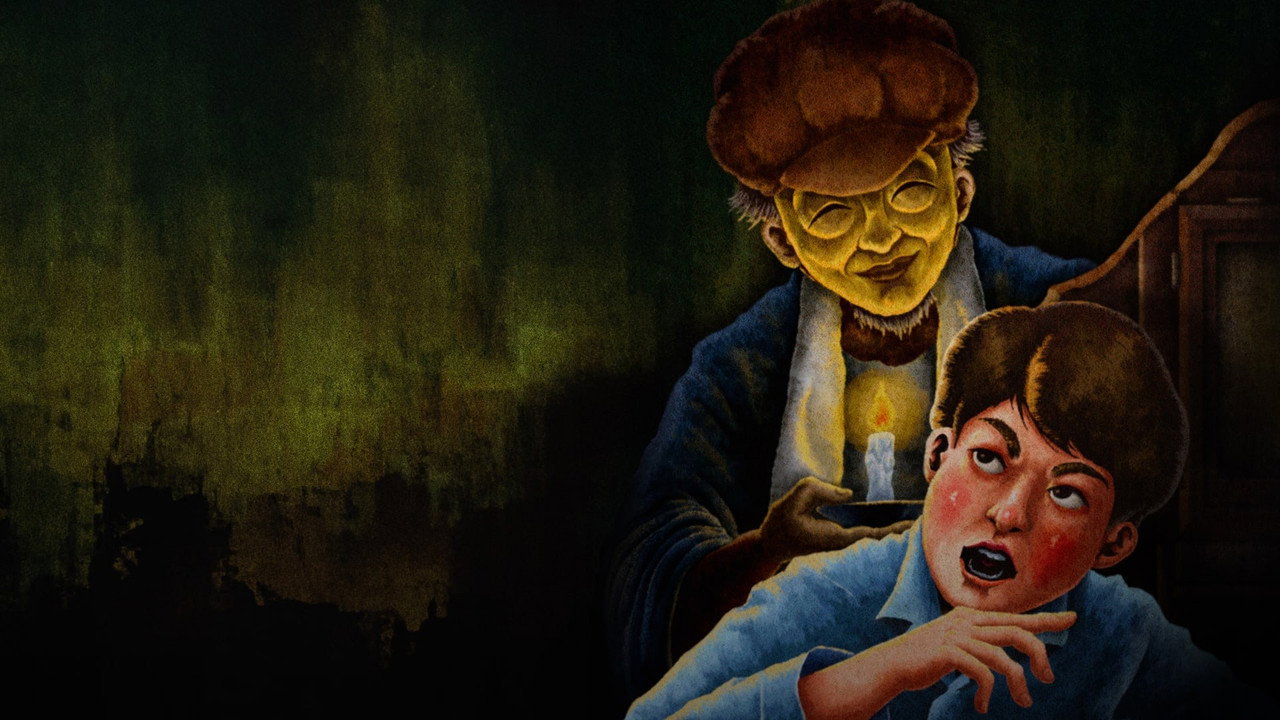
Yamishibai (Theatre of Darkness) works because it understands the 'uncanny valley.' The animation style isn't lazy; it's a deliberate callback to Kamishibai, a form of street theater where a narrator tells a story using a series of illustrated boards. Because the characters move in a jerky, unnatural way, the show taps into a primitive kind of fear. It feels like watching a cursed object come to life.
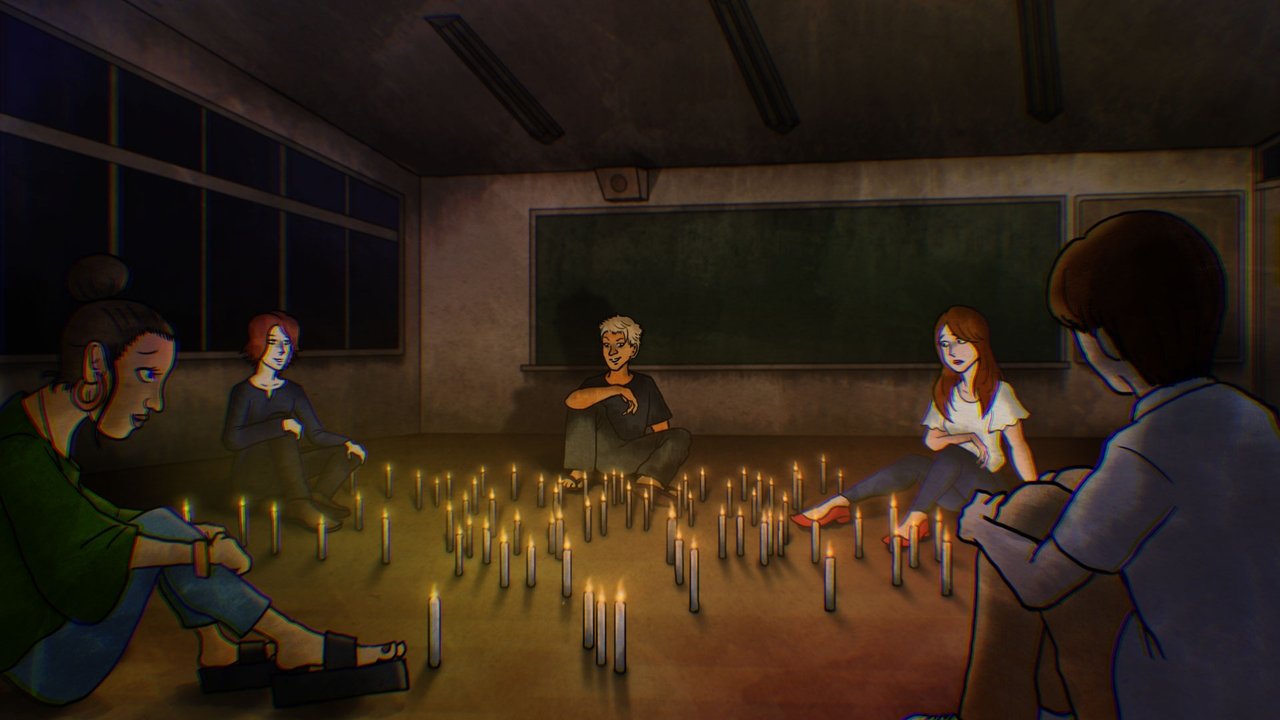
Each episode is an independent bite-sized story, which is great for modern attention spans but also means you don't get much character development. You're just dropping into a nightmare, watching someone make a mistake, and seeing the supernatural consequences.
Cultural Context vs. Standard Horror
If your kid is interested in Japanese culture, this is actually a pretty fascinating watch. It moves past the 'big names' of folklore like Kappa or Tengu and gets into the weird, specific rumors that float around Japanese schools and apartment complexes. It’s a great example of how different cultures process fear and the 'rules' of the supernatural.
However, be warned that the series has a lot of seasons, and like any long-running anthology, the later seasons start to lose some of that initial magic. The first three seasons are the gold standard for anyone looking to get into the series. If you're watching with a teen, it’s a great way to talk about how framing, sound, and pacing can be more effective tools for horror than a massive CGI budget.