The 8-bit pilgrimage
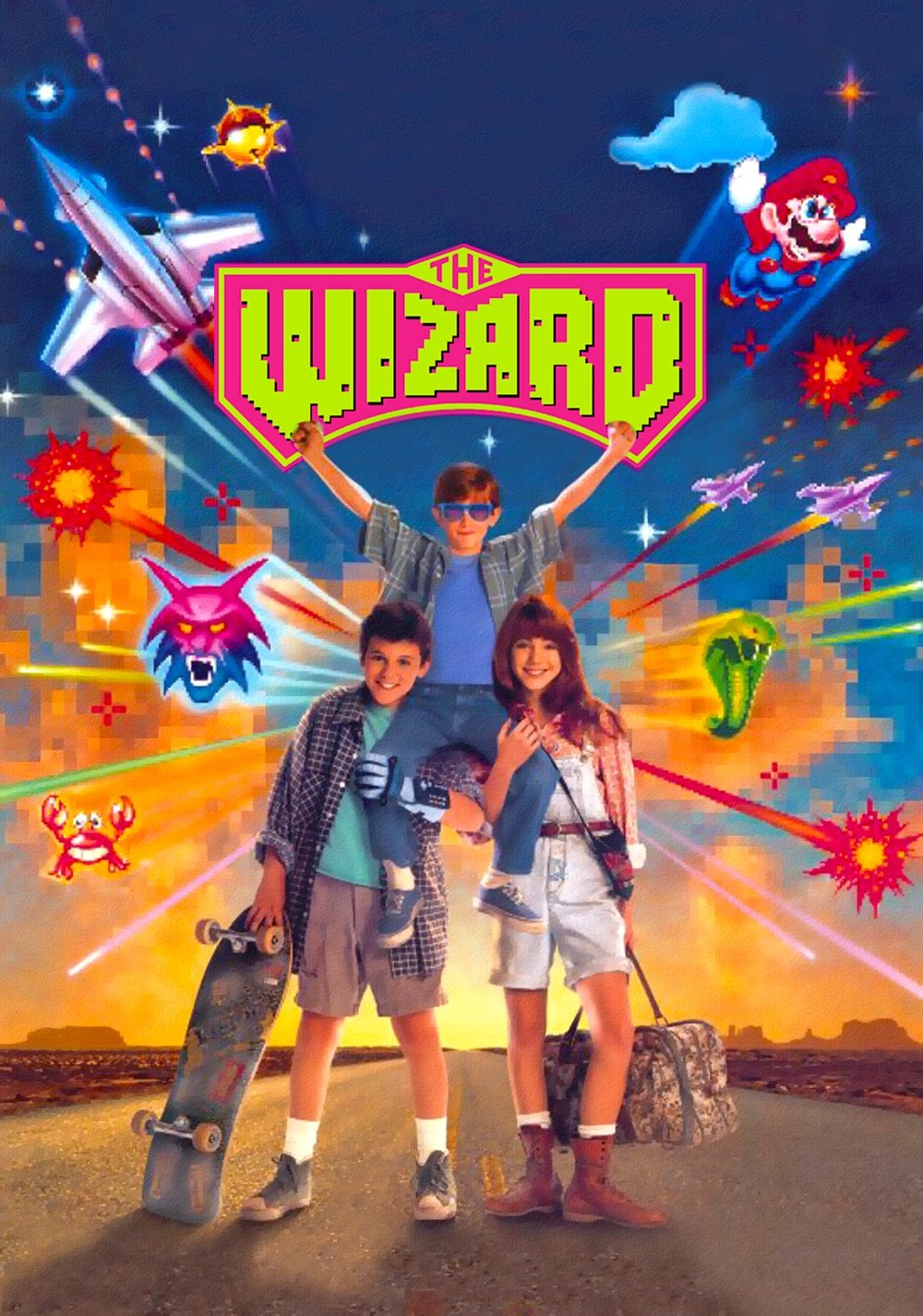
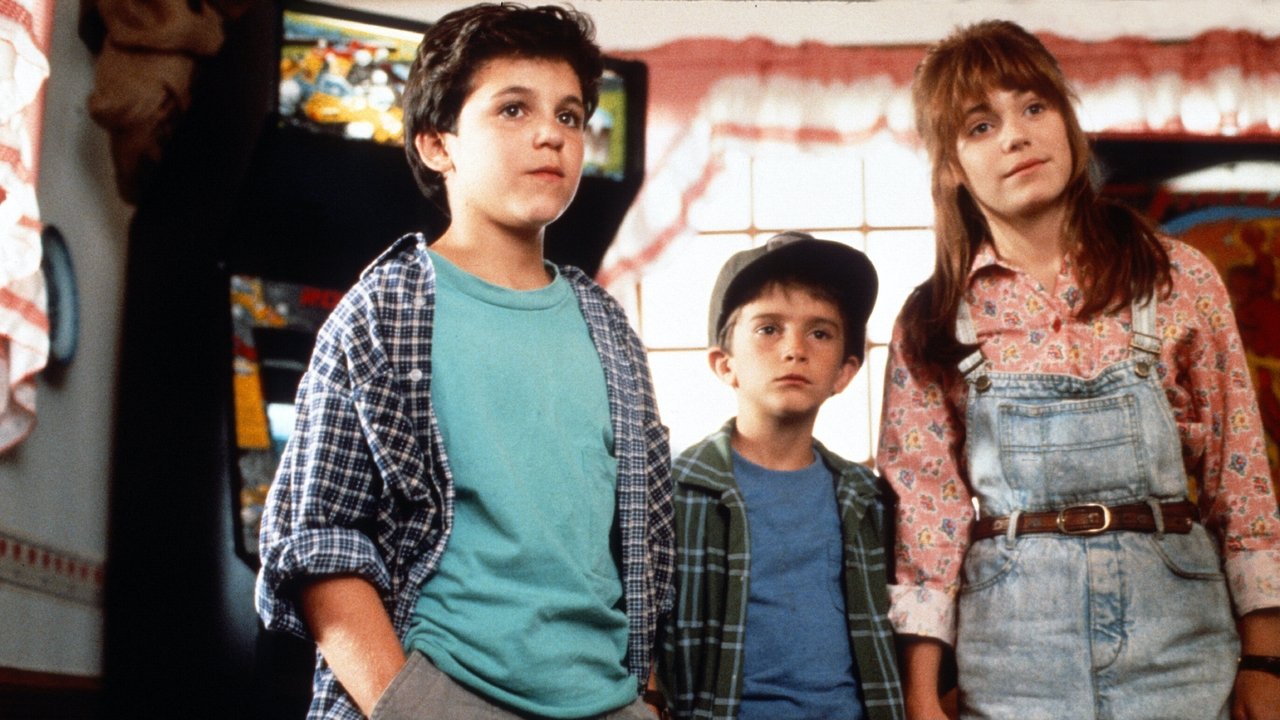
If you’re looking for a masterpiece, the critics have already told you to look elsewhere—that 23 Metacritic score isn't a typo. Critics in 1989 saw a feature-length commercial; kids saw a revelation. This movie exists in a very specific pocket of time where video games were moving from a "fad" to a cultural language, and The Wizard treats a high score with the same reverence a sports movie treats a game-winning touchdown.
The plot is a weirdly heavy road-trip drama about a kid dealing with trauma, but the engine of the movie is pure Nintendo. For a modern kid who can watch any walkthrough on YouTube, the idea that a movie was the only way to see a new game might seem alien. But if your kid is a "gaming historian" type who likes to track the evolution of their favorite franchises, this is a primary source. It captures the era when the NES was the only thing that mattered.
The 1980s "edge"
Even though it’s a family movie, The Wizard has that specific 80s grit that has mostly been scrubbed from modern PG releases. The kids aren't just playing games; they are hitchhiking, dodging a creepy bounty hunter, and essentially gambling in arcades to survive. It’s a reminder that movies for kids used to be a little more unsupervised.
If you find yourself surprised by what these kids get away with, you aren't alone. We see this a lot with older films where the rating doesn't quite match today's standards—similar to how The Bounty can catch parents off guard with its "classic" label. In The Wizard, the friction isn't violence or language; it’s the casual way these kids navigate a world of adults who range from indifferent to predatory. It’s a great jumping-off point to talk about how much "freedom" kids in movies used to have compared to the tracked, GPS-monitored reality of today.
Why it still (sort of) works
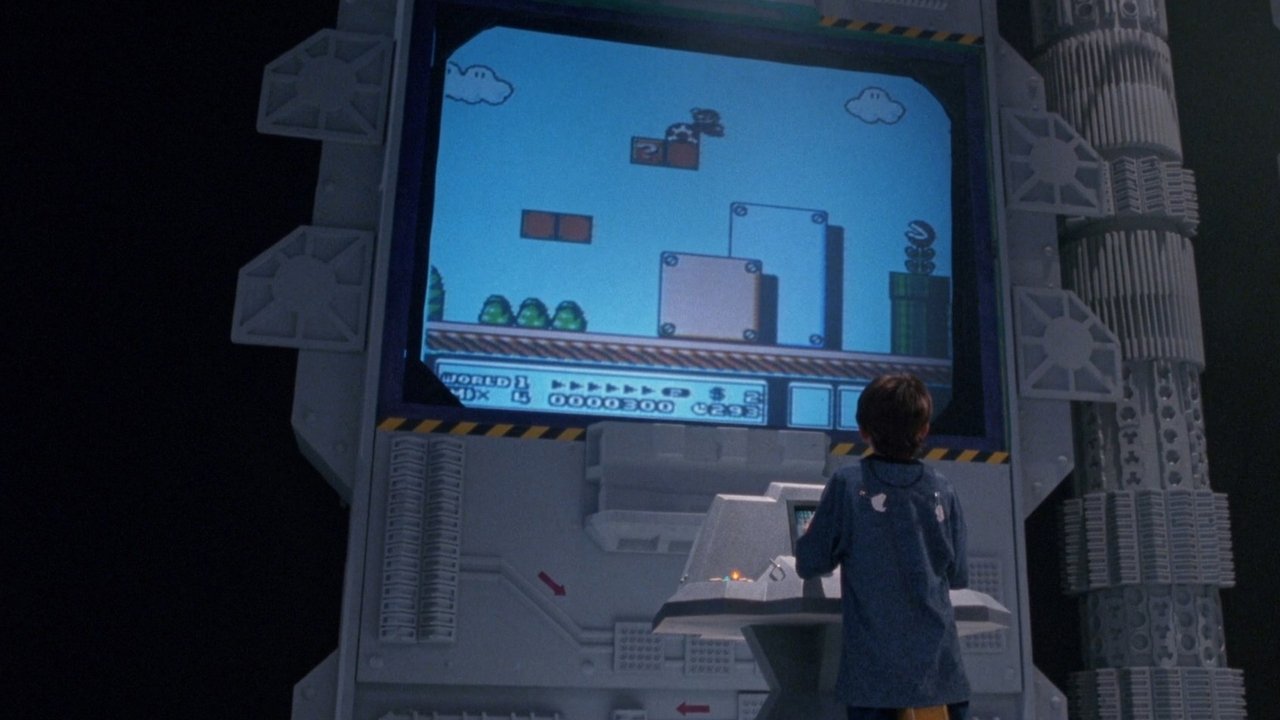
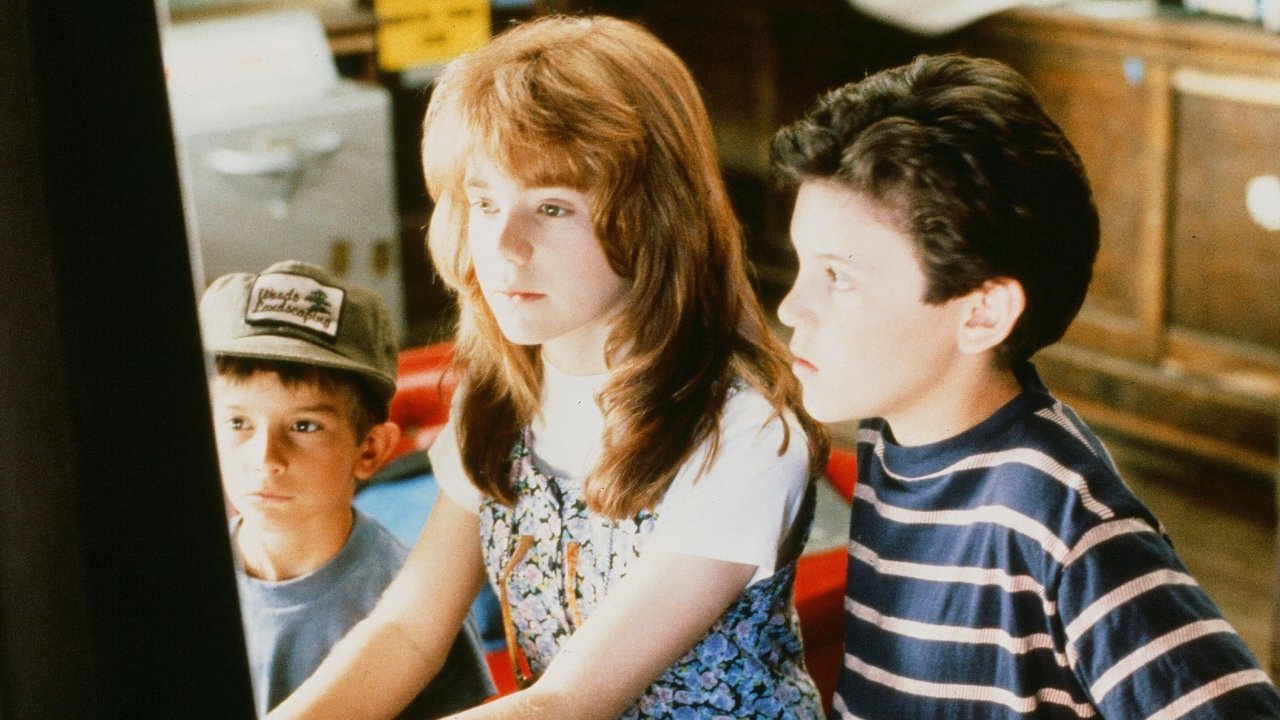
The climax of the movie is a tournament called "Video Armageddon," which is basically a proto-eSports event. While the "cutting edge" tech looks like a calculator to a modern eye, the tension is genuine. The movie understands the "zone" players get into. If your kid is the type who spends their weekend watching streamers or trying to master a specific class in a game—like the strategic playstyles discussed in our guide to The Engineer—they’ll recognize the competitive spirit here.
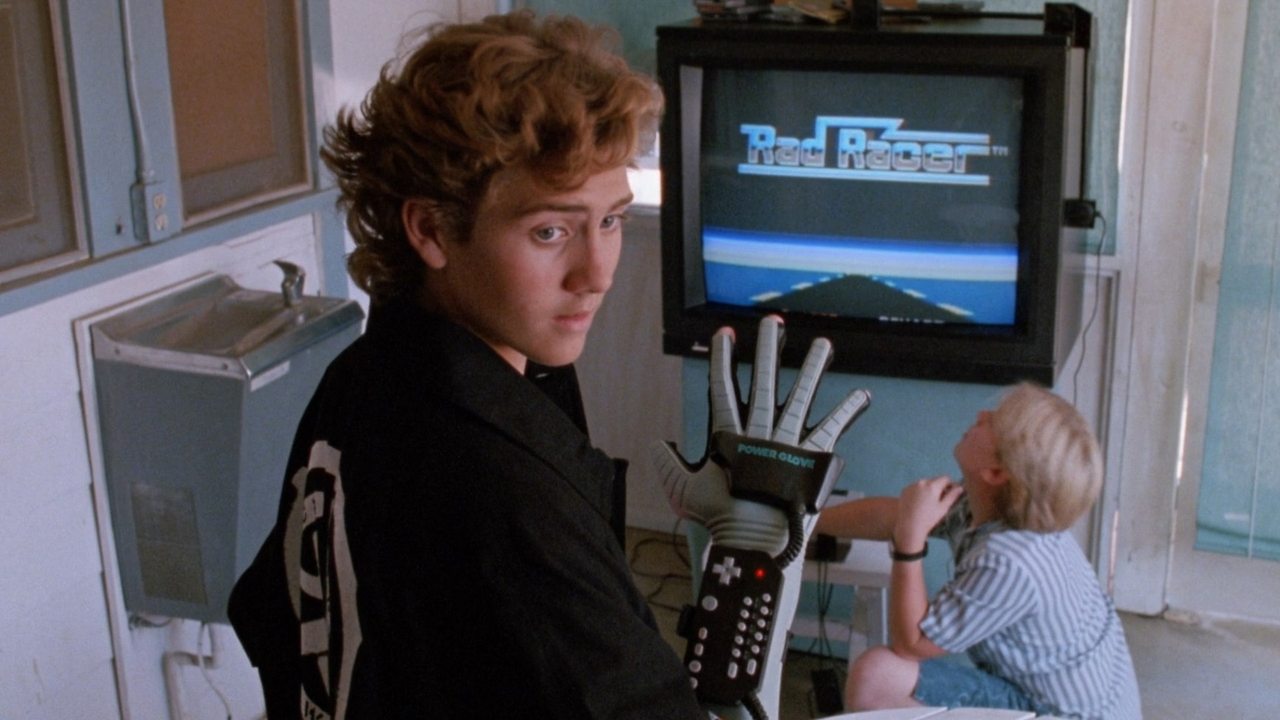
The movie's secret weapon is its sincerity. It doesn't wink at the camera or apologize for being about video games. It treats the quest to get to California as a life-or-death mission. You’ll probably spend half the runtime explaining what a "payphone" is or why they can't just Google the map, but the core of the story—three kids against the world—remains effective. Just be prepared for the inevitable question: "Did the Power Glove actually work?" (The answer is a resounding no, but let them enjoy the fantasy for 90 minutes).