Our reviews and ratings are 100% unbiased. Screenwise is a Bookshop.org affiliate and an Amazon Associate, so if you buy a book through one of our links, we may earn a commission. Bookshop.org purchases also support independent bookstores.
Screenwise Verdict
This is solid middle grade fiction that gets the seventh-grade emotional landscape right—the loneliness, the friendship betrayals, the terror of a new sibling stealing your parents' attention. The haiku hook is creative without being gimmicky, and Bea's voice has enough humor to keep it from feeling heavy.
It's not going to blow anyone's mind with plot twists, but it does what good middle grade should: helps kids feel seen and gives them language for their own messy feelings. The fact that reviewers say adults enjoy it too is a good sign the writing has actual craft.
If your kid is in that 10-13 sweet spot and likes character-driven stories, this is a great pick. If they need explosions and magic systems, maybe not.
Age Fit
Perfect for 10-13 year olds navigating middle school social dynamics and family change. The emotional themes are sophisticated but accessible, and the haiku element adds literary interest without requiring poetry expertise.
WISE Breakdown
Wholesome
88
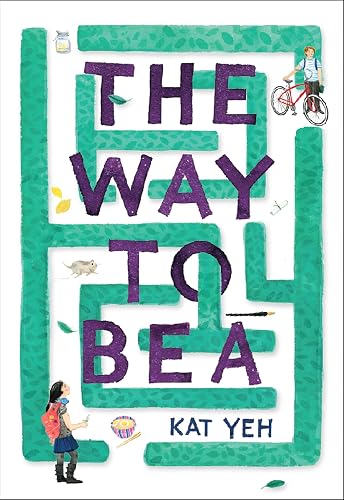
A warm, emotionally grounded story about navigating friendship loss, sibling anxiety, and finding your voice in seventh grade. Bea's struggles feel real without being melodramatic—she's dealing with typical middle school isolation and family change. The secret haiku correspondence and labyrinth mystery add gentle adventure without chaos. Models healthy coping (poetry as expression) and building new connections after setbacks.
Imaginative
82
The invisible ink haiku exchange is a genuinely clever hook that invites kids to think about secret communication and poetry as a creative outlet. The labyrinth subplot adds mystery and symbolic depth. Yeh weaves Japanese-American culture naturally into Bea's world. Not groundbreaking in plot structure, but the haiku element and the way Bea uses writing to process emotions offers a creative lens on a coming-of-age story.
Safe
95
Completely age-appropriate middle grade content with no concerning elements. Common Sense Media review confirms it's a charming story about poetry and coping with change. The conflicts are social and emotional (friendship drama, new sibling anxiety) without violence, mature themes, or anything shocking. Standard safe territory for this genre.
Enriching
85
Strong on emotional intelligence—Bea learns to navigate loneliness, jealousy about a new sibling, and the courage to put herself out there again after friendship betrayal. The haiku form introduces poetry in an accessible way. School Library Journal notes it's for grades 5-8, and multiple reviews praise its wisdom about self-acceptance and belonging. Delivers genuine insight about finding your voice when everything feels uncertain.
Parent Info
✓
Why It Might Be Great
The invisible ink haiku exchange is genuinely clever and might inspire kids to try poetry themselves
Tackles real middle school pain—losing friends, becoming a big sibling, feeling invisible—without being preachy
Bea's voice is funny and relatable; reviewers note it works for adults too, which means the writing isn't dumbed down
Japanese-American cultural elements woven naturally into the story
The labyrinth mystery subplot adds adventure to the emotional journey
⚠
What to Watch For
This is character-driven and introspective—if your kid needs constant action, they might find it slow
Themes of friendship betrayal and feeling left out could hit hard for sensitive kids going through similar situations
The new sibling anxiety is real and specific—great if that's your family situation, potentially confusing if not
Conversation Starters
"Have you ever felt like your words or ideas weren't worth sharing? What helped you feel braver?"
"If you could write secret messages to someone, what would you say?"
"How do you think Bea feels about becoming a big sister? Have you ever worried about things changing at home?"
"What do you think the labyrinth represents in the story?"