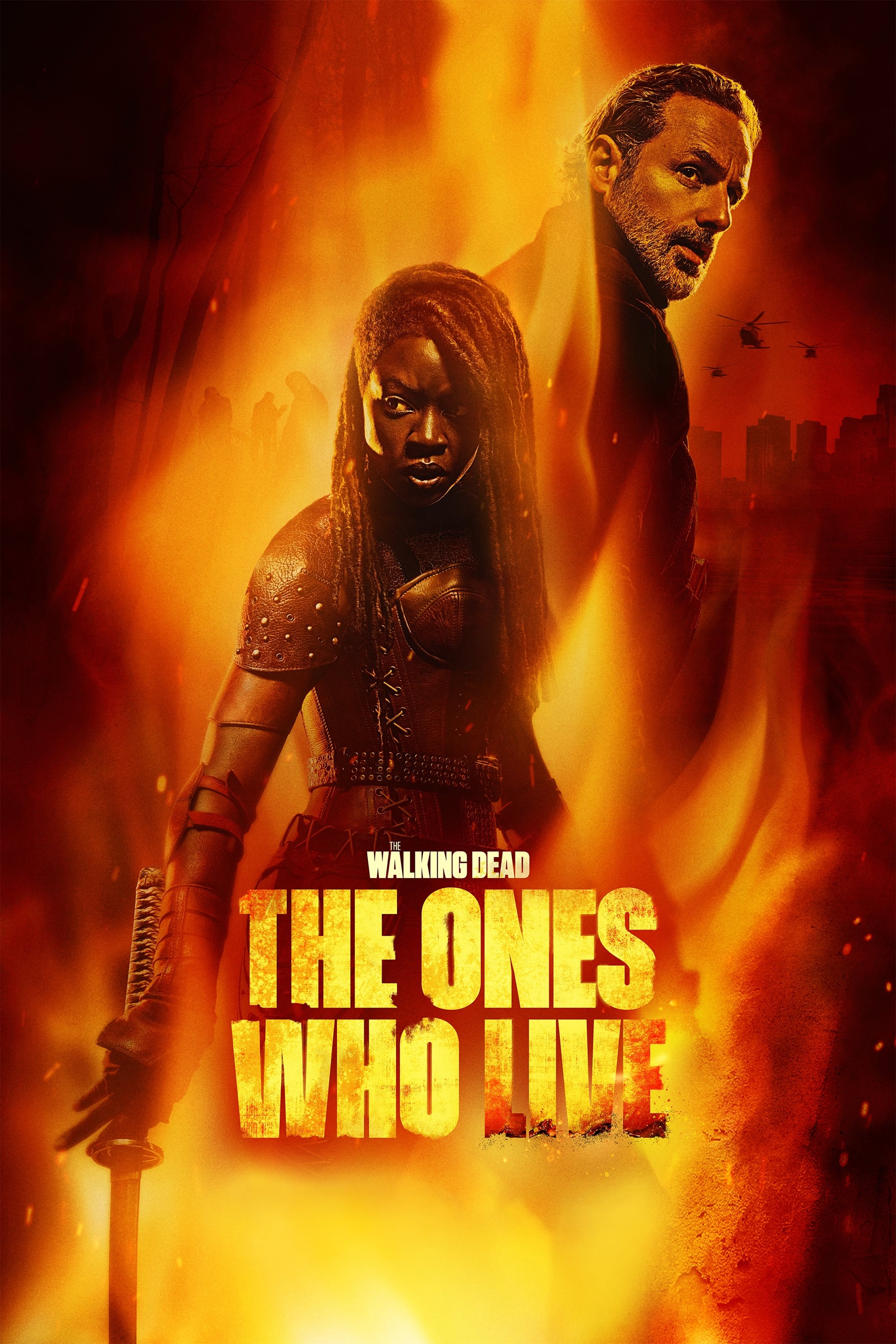
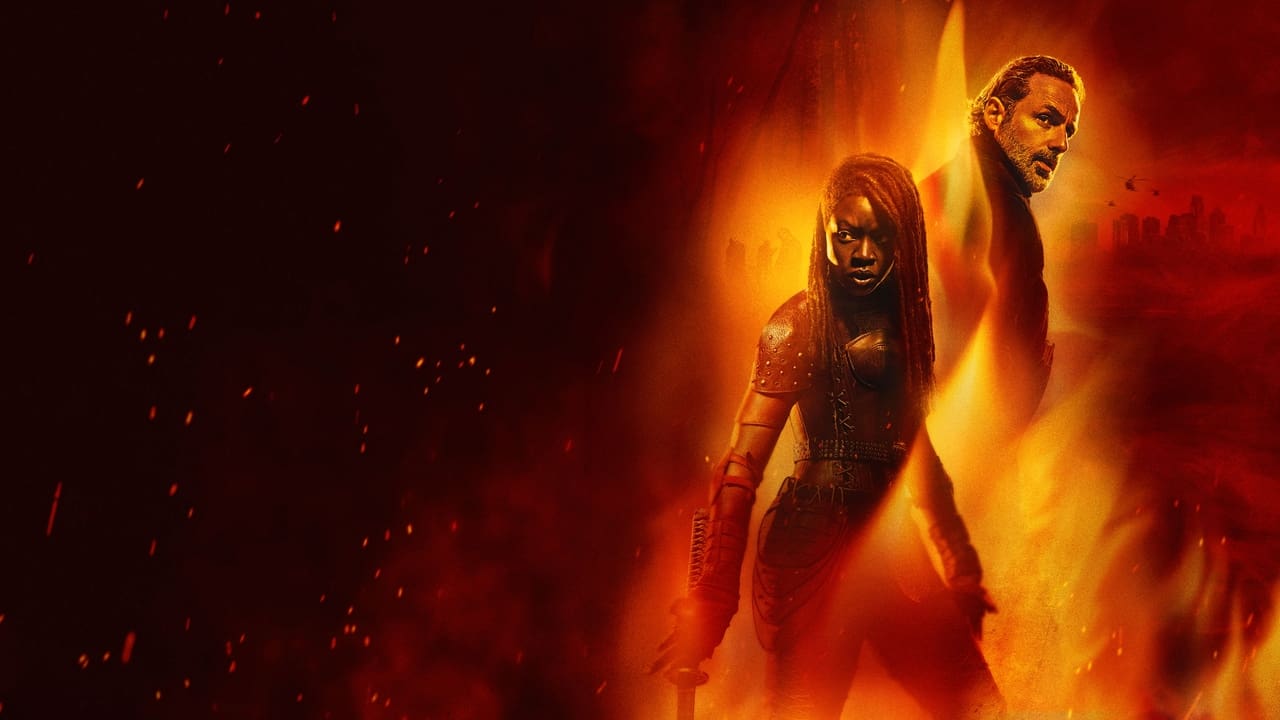
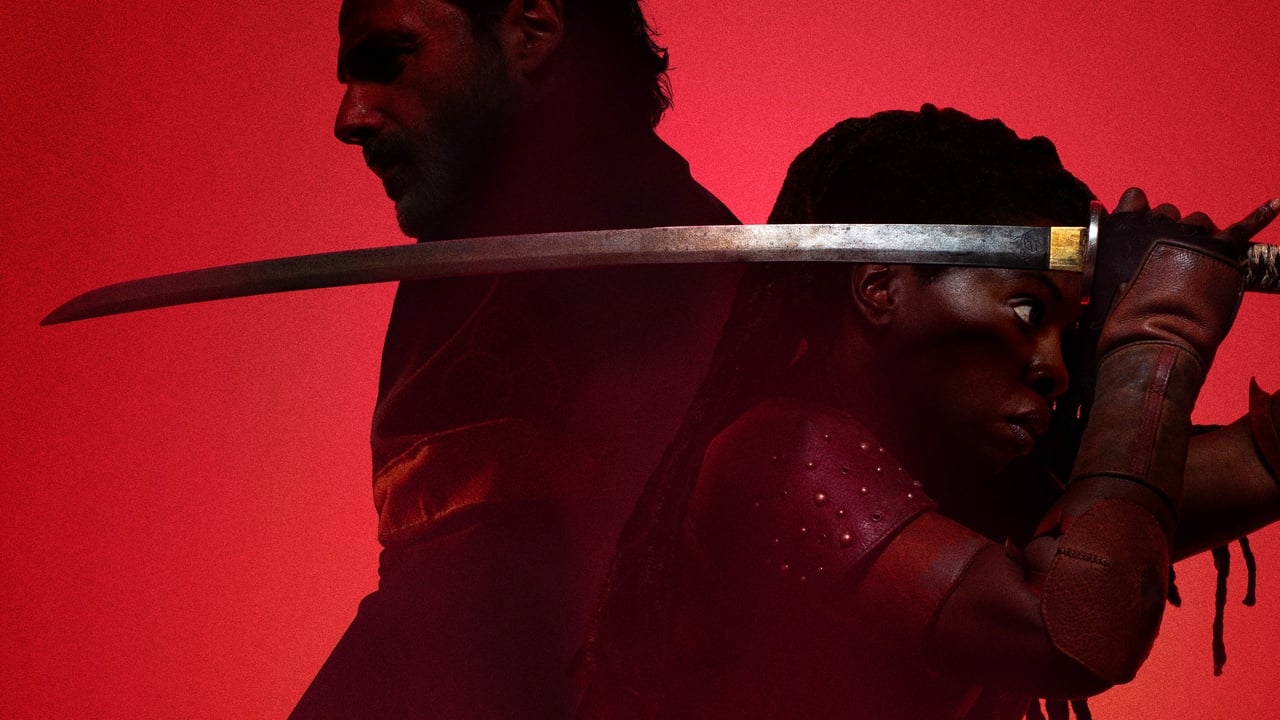
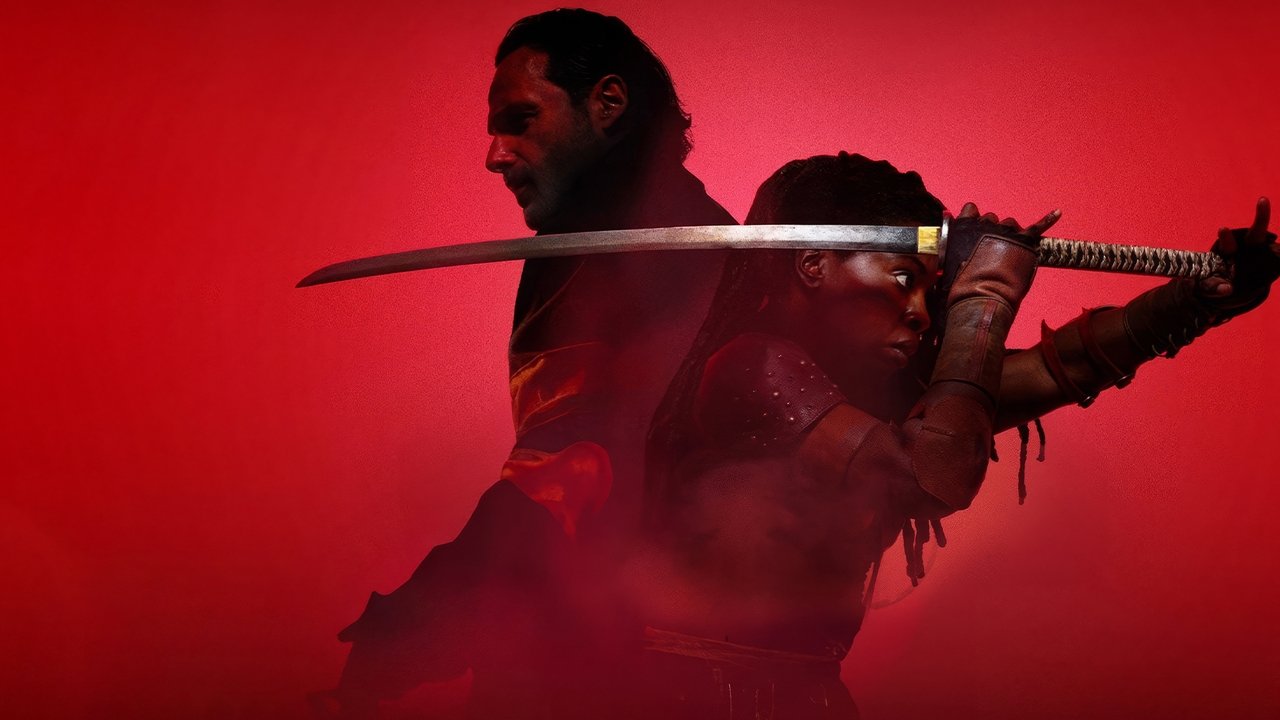
Most spin-offs feel like a desperate attempt to keep a franchise on life support. This one is different. It’s the "prestige TV" version of a show that spent years wandering in the woods—literally and figuratively. If the original series was a sprawling, sometimes bloated ensemble drama, this is a tight, high-budget romantic thriller that happens to have zombies in it.
The prestige pivot
The first thing you’ll notice is how much better this looks than the later seasons of the flagship show. The lighting, the scale of the cities, and the choreography all feel like a massive step up. It moves away from the "zombie of the week" formula and leans into a political conspiracy vibe. We’re finally seeing the Civic Republic Military (CRM), the shadowy group that’s been teased for years. It turns the show into a "great escape" story rather than just another survival slog.
The critics were a bit more divided than the fans here—Metacritic sits at a 61 while Rotten Tomatoes is hovering in the high 80s. That gap usually means the show is heavy on fan service and emotional payoffs that might feel a bit melodramatic to a casual viewer, but for anyone who has followed Rick and Michonne's journey, those moments land hard.
The "Opening Scene" litmus test
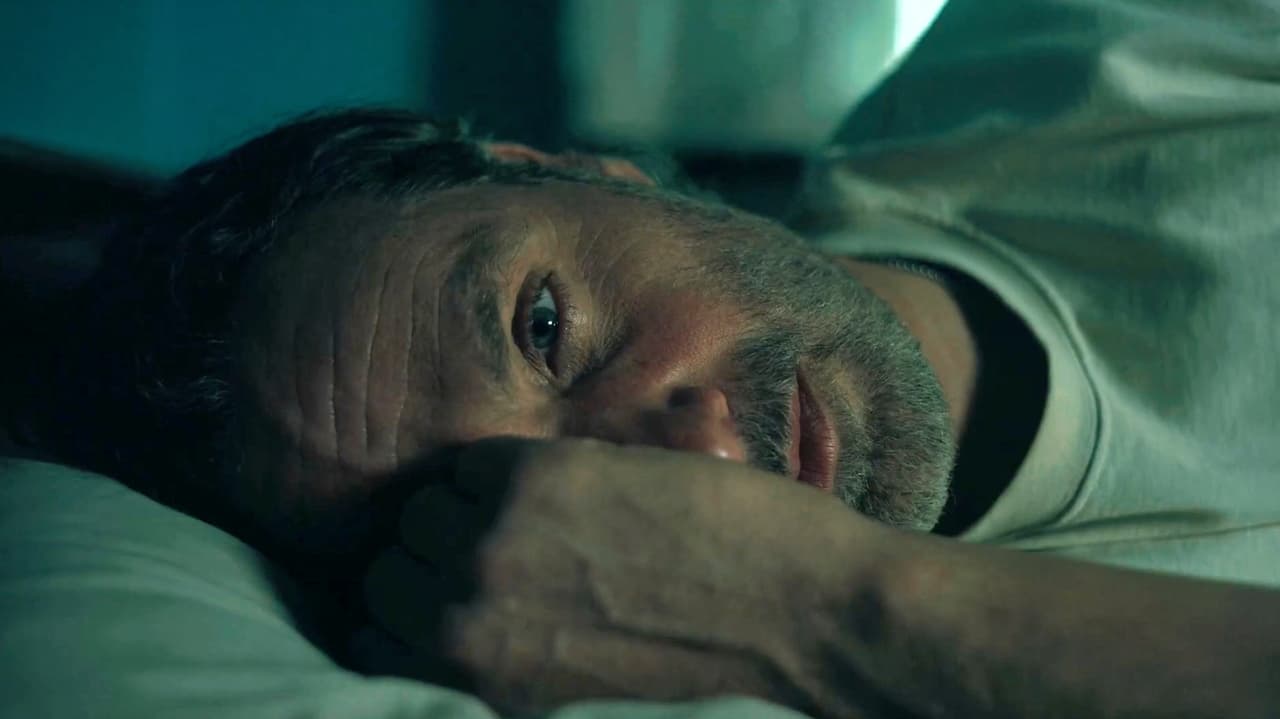
You should know that the show establishes its TV-MA rating within the first ten minutes. There is a specific moment of self-mutilation that is arguably the most visceral thing the franchise has ever done. It isn't just gore for the sake of a jump scare; it’s a character beat meant to show exactly how desperate Rick has become.
If your teen is asking to watch this because they’ve seen clips on TikTok, you need to know that the violence here is much more "surgical" and grim than the cartoonish action of earlier seasons. For a deeper look at how to navigate these moments across the whole series, check out our guide on The Walking Dead: Surviving the Gore, the Grief, and the Grittiness.
Who is this actually for?
If your kid hasn't seen the original series, this is a confusing place to start. While it tries to catch people up, the emotional stakes rely entirely on the decade of history between these two characters. However, if they are fans of The Last of Us on HBO, they will appreciate the pacing here. It shares that same focus on "the cost of love at the end of the world" rather than just "how many ways can we kill a walker?"
The show handles heavy themes—suicidal ideation, the morality of "the greater good," and the trauma of long-term isolation. It’s a lot of emotional baggage to unpack. It’s less about the monsters outside the walls and more about the psychological damage of trying to stay "human" when you’ve been forced to be a weapon for years. If you’re watching with a 16-year-old, the real value isn't in the action scenes; it’s in the conversations about whether you can ever truly "go home" after you’ve done terrible things to survive.