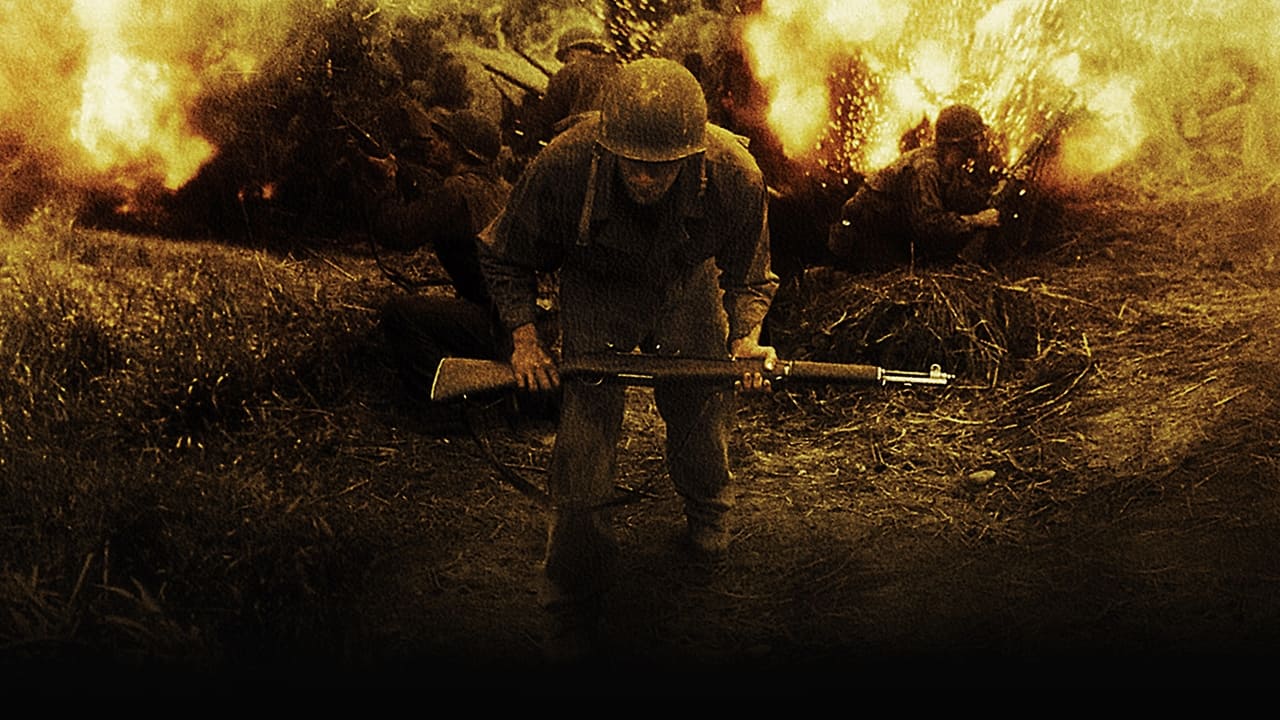
Two 1998 WWII epics, two completely different brains
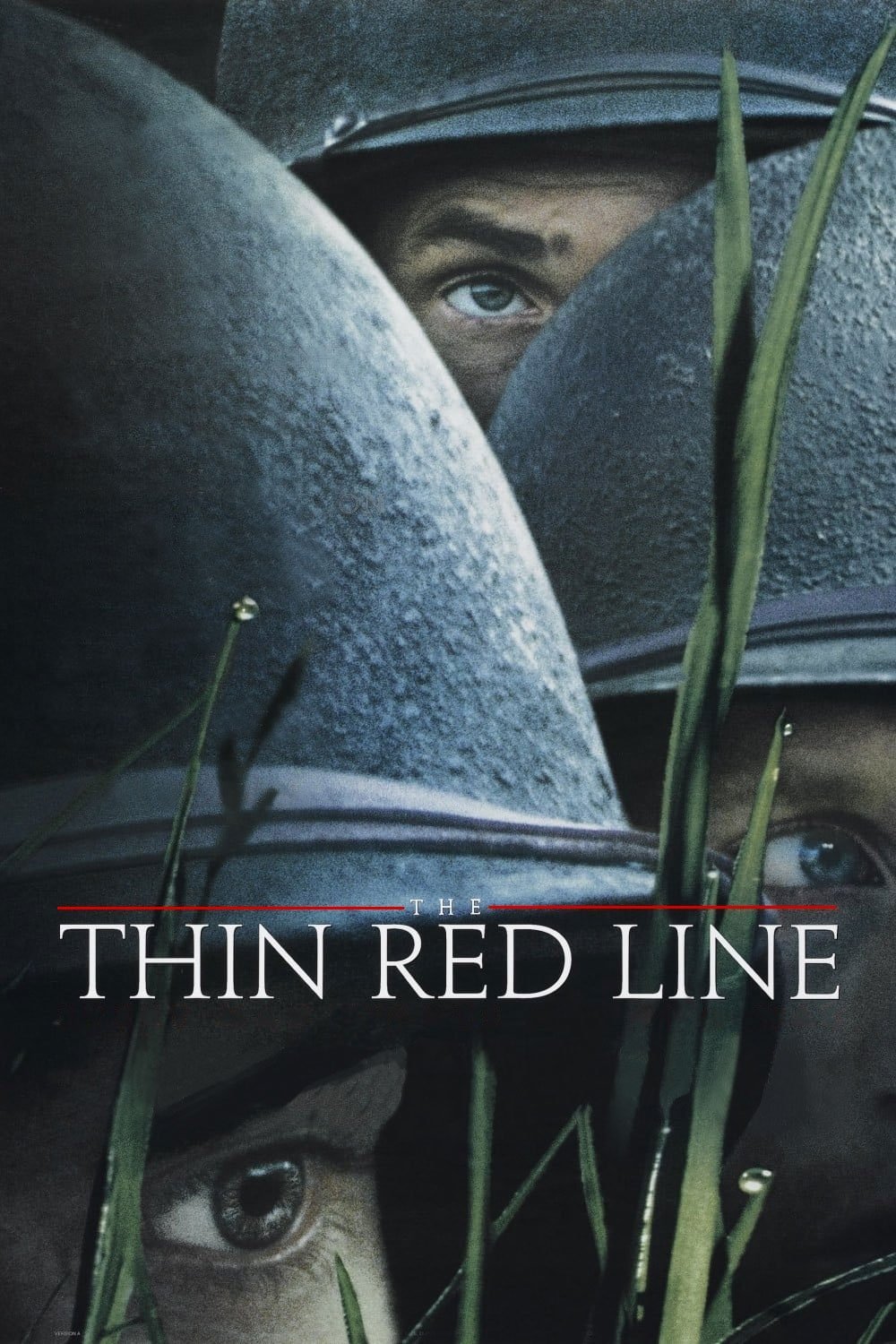
In 1998, parents and film buffs had to choose between two giant World War II movies. Steven Spielberg's Saving Private Ryan gave viewers a clear mission, a tight squad you could easily tell apart, and visceral, propulsive combat. Terrence Malick returned from a 20-year directing hiatus to make The Thin Red Line (adapted from James Jones's 1962 novel), and he threw the standard war-movie rulebook into the ocean.
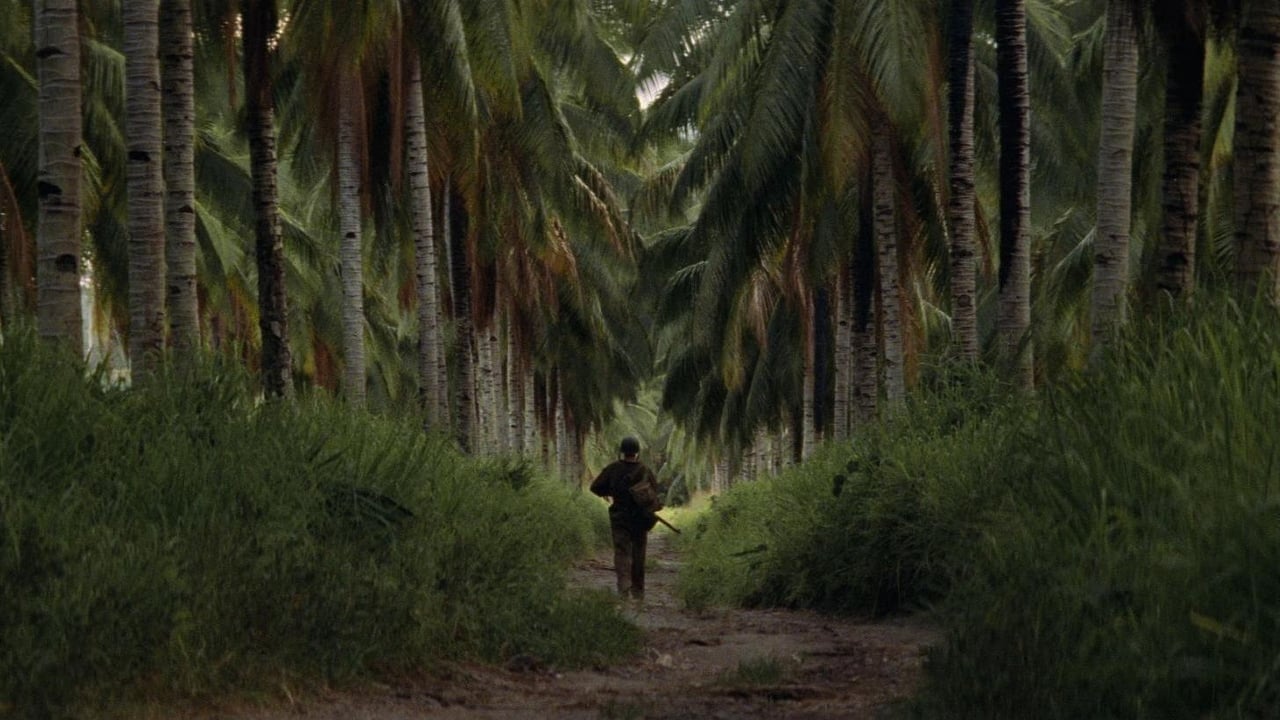
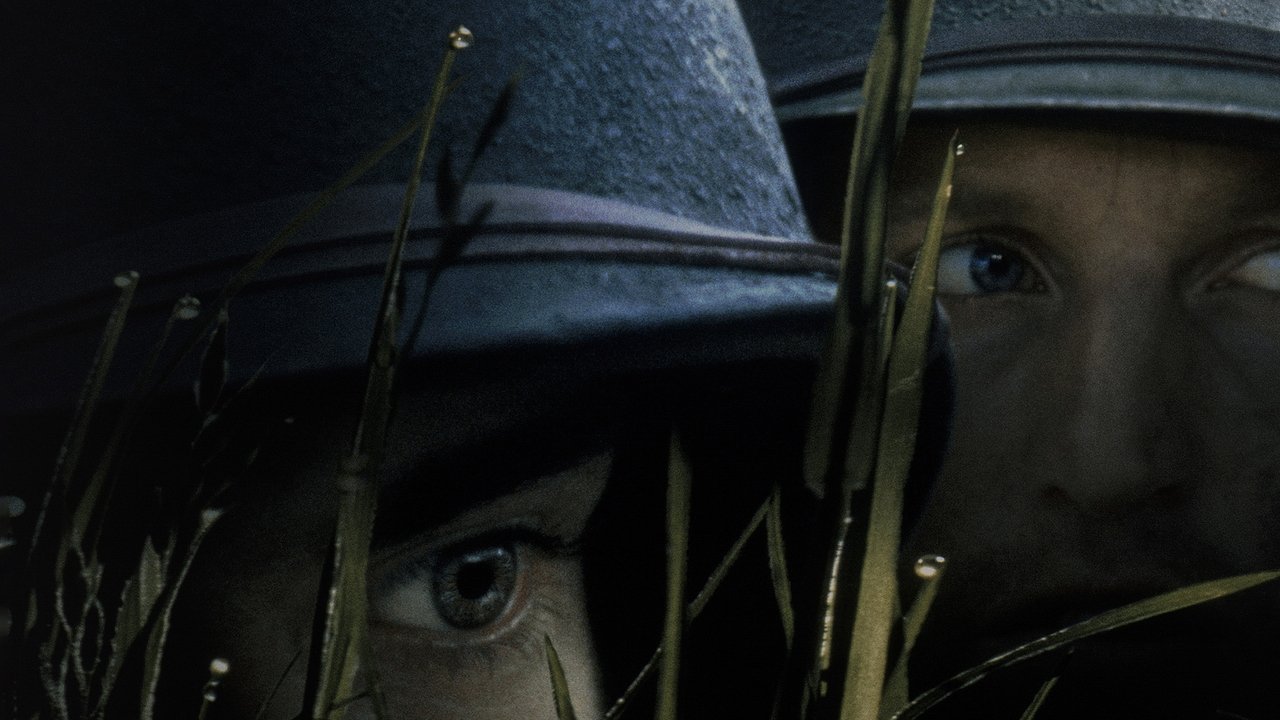
In Malick's version of the Battle of Guadalcanal, helmets make half the cast look identical, disembodied voiceovers drift from one soldier to another, and the plot stops cold to watch Melanesian villagers or a wounded bird in the dirt. Famous actors were famously left on the cutting room floor or reduced to brief cameos.
The centerpiece assault on Hill 210
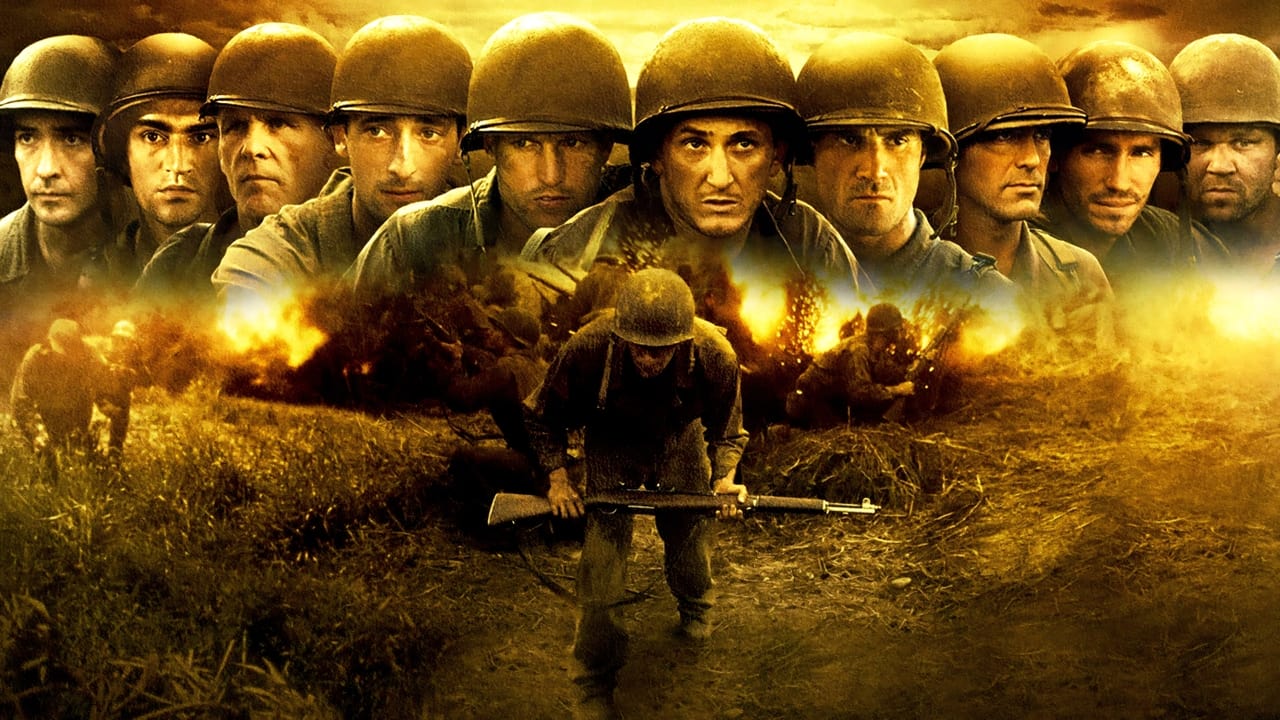
Don't let the reputation for nature shots fool you into thinking the combat is tame. The film's middle hour—the assault up a grassy ridge fortified with Japanese bunkers—is one of the most exhausting, harrowing battle sequences ever shot.
- Command vs. conscience: Nick Nolte plays Lieutenant Colonel Tall, a passed-over officer furious to finally get his shot at glory, screaming over the radio at Captain Staros (Elias Koteas), who refuses a suicidal frontal assault to protect his men.
- Unflinching casualties: Woody Harrelson's character accidentally pulls the pin on a grenade attached to his own belt, resulting in a panicked, agonizing death scene that hits harder than most Hollywood shootouts.
- The aftermath: When the Americans finally take the Japanese camp, the scene isn't triumphant. It is a chaotic, disturbing sequence of starving, terrified prisoners and weeping victors.
How to watch it with a teen
If your teen loved Christopher Nolan's Dunkirk or Sam Mendes's 1917—incidentally, Nolan has cited The Thin Red Line as a massive visual and structural influence—this is the natural next step. Watch it on the biggest screen you have with the sound turned up for Hans Zimmer's score, and let them know going in that they aren't supposed to keep track of every soldier's name. Treat it like a museum visit or a long poem rather than a Friday-night thriller.