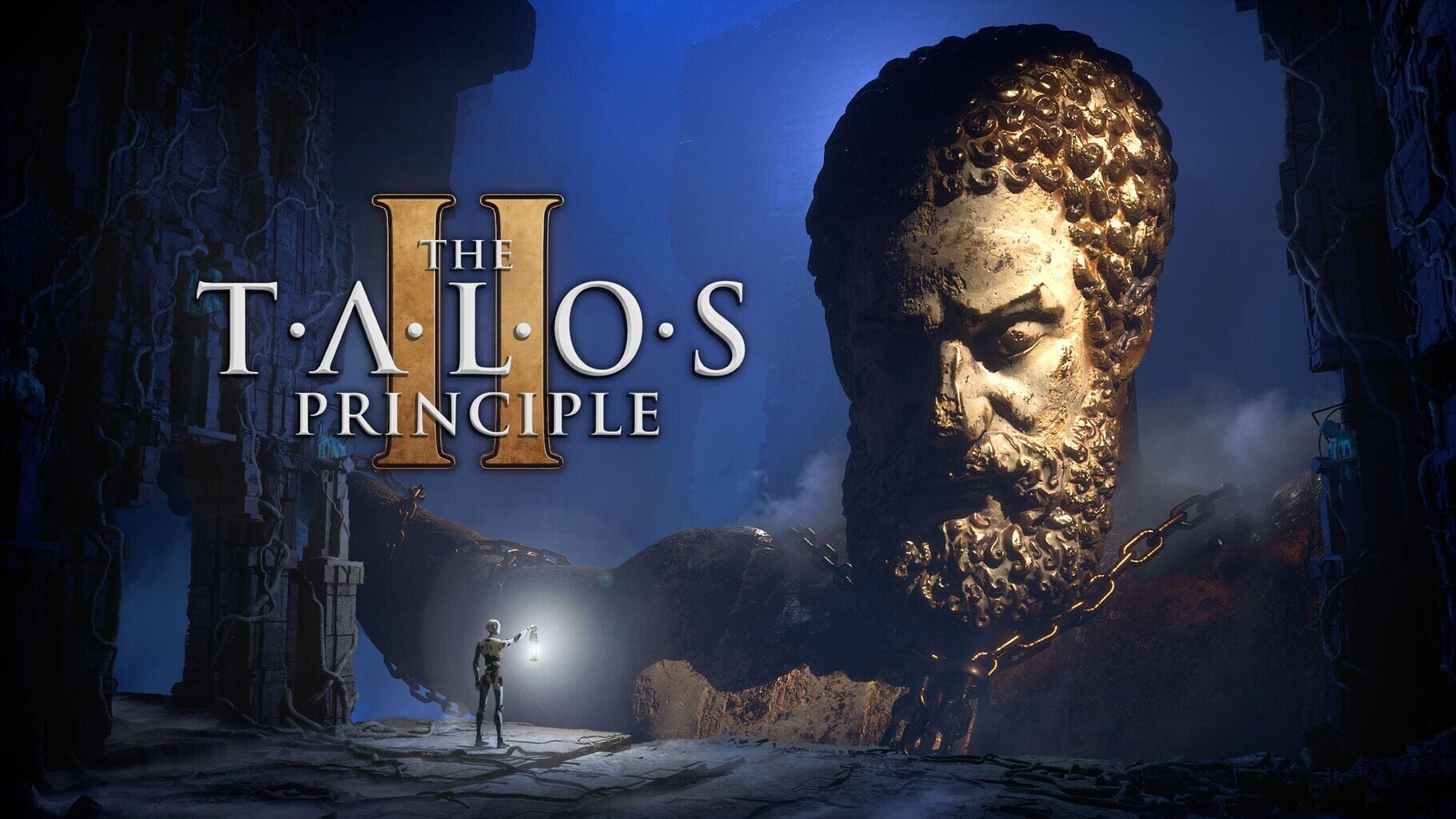
How the puzzles work (and why they don't cause rage-quits)
The original 2014 Talos Principle was brilliant, but it could be punishingly obtuse, relying heavily on timing-based hazards like patrolling mines and turrets. The Talos Principle 2 strips out almost all the twitchy annoyances and replaces them with pure deduction.
Each puzzle is a self-contained outdoor courtyard—a "walled garden" with a visible goal (a glowing Tetromino-style sigil or terminal) and a handful of tools inside. Every major region introduces a new mechanic:
- RGB Converters that merge two laser colors into a third.
- Drillers that open a temporary hole in specific metal walls so beams or items can pass through, without letting your robot body walk through.
- Teleporters and Body Swapping, where you control two or three robot shells inside the same room, passing tools to yourself across gaps.
- Gravshifters that let you plant your feet on walls and ceilings, turning the entire puzzle room sideways.
The smartest design decision Croteam made is the 8-of-10 progression rule. Each of the 12 island regions has 8 main puzzles and 2 "Lost" puzzles. You only need to clear 8 to power up the bridge to the next narrative beat. Plus, you can find limited-use Prometheus Sparks in the overworld that let you bypass a puzzle entirely and come back later. For a 12-year-old (or a tired parent), knowing you don't have to brute-force a single frustrating room keeps the momentum moving.
A philosophy class disguised as a sci-fi mystery
Between puzzles, you walk around with an expedition team of fellow robots—Yaqut, Melville, Alcatraz, and Byron—who have wildly different personalities and worldviews. You also return to the city of New Jerusalem and log onto their internal social network to argue with other citizens.
The central debate is surprisingly grounded: humans destroyed themselves through unchecked growth and ecological collapse, so the founder of robot society capped their population at 1,000. Now they've discovered massive, clean-energy megastructures. Should they use this power to expand, build more cities, and reach for the stars, or is growth an inherent trap that will repeat humanity's mistakes?
If your kid just wants to connect lasers, they can sprint from puzzle door to puzzle door and mash through the dialogue choices. Nothing breaks. But if you have a teen who enjoys big sci-fi questions, reading the lost human audio logs and debating with the crew is half the fun.
How it compares to other puzzle greats
- Compared to Portal 2: Talos 2 is much longer (easily 20–30 hours vs. Portal 2's 8 hours), quieter, and far less funny, though the puzzle design is every bit as sharp.
- Compared to The Witness: The Witness gives you zero story and locks you out if you don't grasp an obscure environmental rule. Talos 2 is way more forgiving, clearly separates its puzzle rooms from the scenery, and gives you actual characters to talk to.