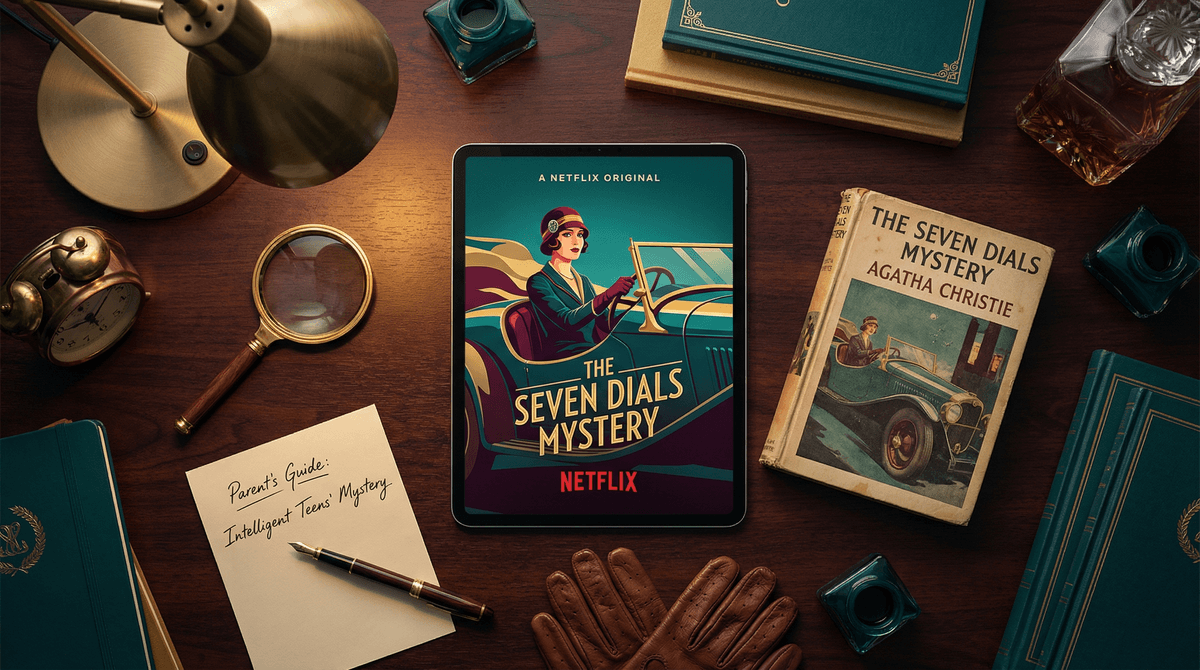
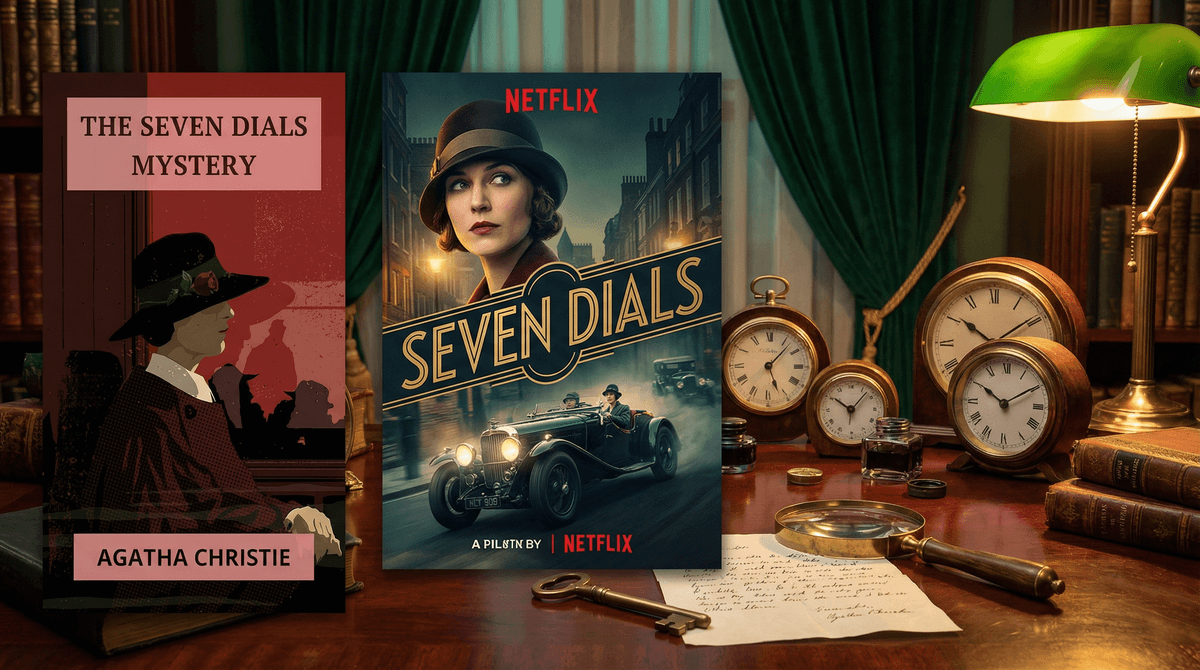
The 2026 Netflix adaptation is the obvious reason this 1920s relic is back in the conversation, but the book holds its own without the screen gloss. If your kid liked the chaotic energy of Knives Out or the "group of friends with secrets" trope, this is the blueprint. It’s less about a genius detective showing up at the end to explain everything and more about a group of bored, wealthy twenty-somethings stumbling into a conspiracy.
Not your grandmother’s Christie
Forget the image of a quiet village mystery. This is Agatha Christie in her thriller era. The protagonist, Bundle Brent, is a high-speed driver who basically bullies her way into a murder investigation because she’s bored and capable. She doesn't wait for permission. For a teenager, Bundle is a much easier entry point into classic literature than a more passive hero. She feels like a real person trying to solve a puzzle rather than a plot device in a tweed suit.
The "Seven Dials" hook
The central mystery involves eight alarm clocks and a prank that ends with a body. It’s a tight, effective setup that avoids the long, winding introductions common in older novels. The secret society elements add a layer of pulp fiction fun that keeps the stakes feeling high. If you are trying to figure out if the new show is too intense after they finish the book, our Seven Dials parental guide breaks down the TV-14 rating and the specific violence levels.
Why it works for the "Logic" kid
This is a great choice for the kid who likes escape rooms or strategy games. Christie is famous for being fair to the reader. Every clue needed to solve the mystery is on the page, even if it’s hidden behind a joke or a bit of 1920s slang. It treats the reader as an equal. We recommend reading the book before diving into the Netflix series guide because the book allows them to test their own deductive skills before the show does the heavy lifting for them.
Dealing with the "Old Bean" energy
The biggest hurdle for a modern reader isn't the plot; it's the dialogue. The characters talk like they’re in a black-and-white movie, using phrases that feel absurd today. If your kid can lean into the campiness of it, they’ll have a blast. If they’re the type to get annoyed by period-accurate classism where the help is treated like furniture, they might find some chapters grating. But as a gateway to more complex literature, it’s a low-risk, high-reward pick that actually respects a young reader's intelligence.