The Problem With Turning Dirt Into Pixels
The central idea of Frances Hodgson Burnett's novel is radical in its plainness: neglected, sour kids become whole by going outside, pulling weeds, and eating bread and butter until their cheeks turn pink. The magic is strictly metaphorical.
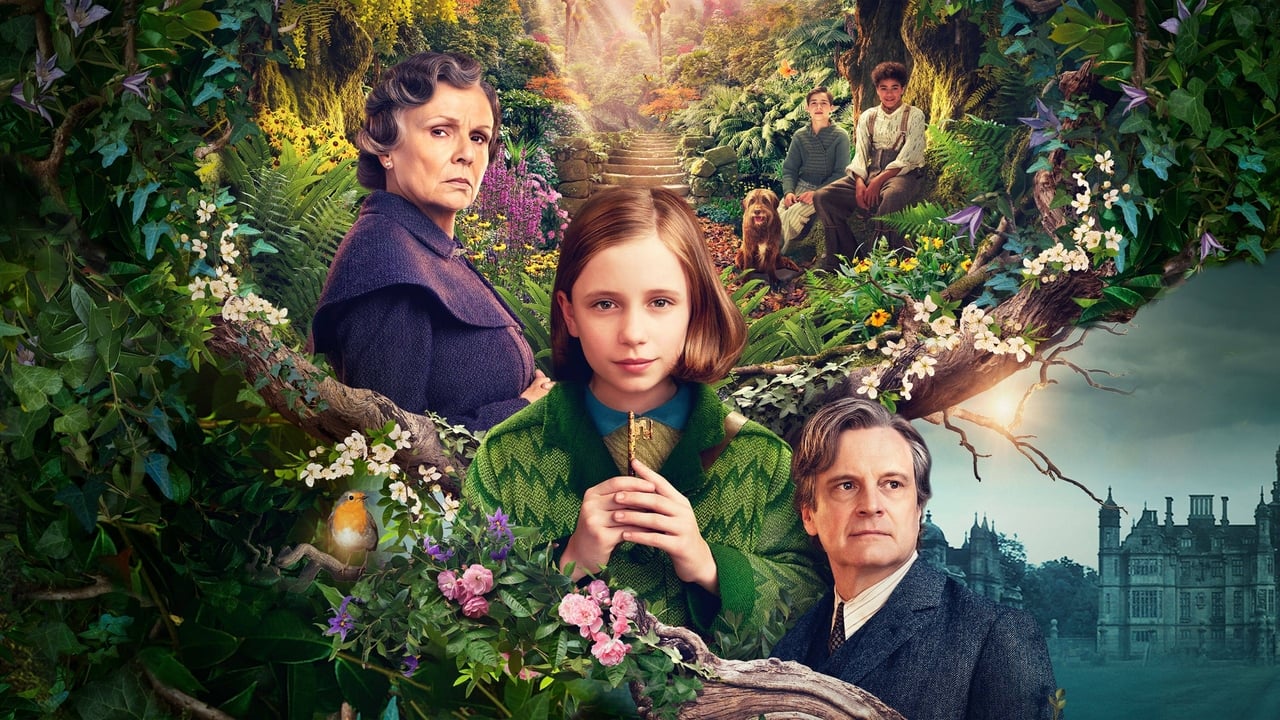
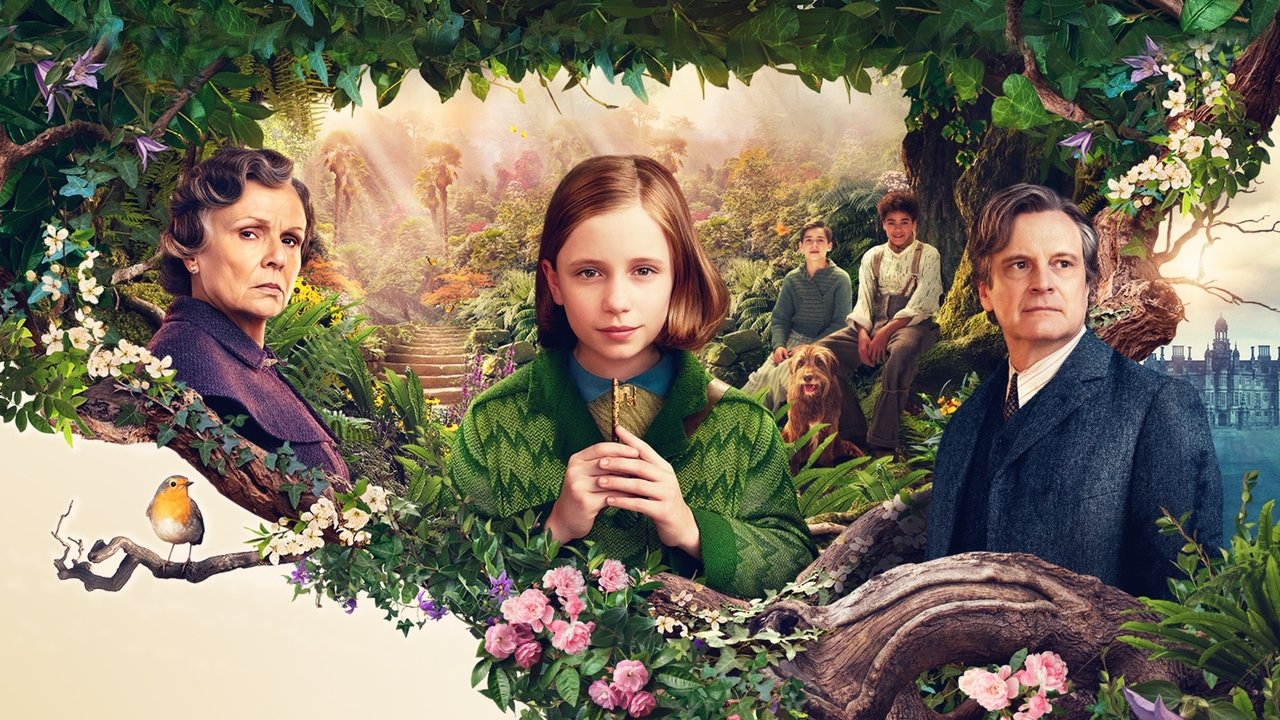
This 2020 production, written by Jack Thorne and directed by Marc Munden, decides that actual nature is boring. Their garden is an expansive, surreal hybrid ecosystem that looks like Pandora from Avatar crossed with an upscale botanical conservatory. The flowers burst into bloom instantly, the grass ripples with conscious intent, and the foliage heals wounds like a fantasy potion.
By turning the garden into literal magic, the movie robs the children of their agency. In the classic text, Colin learns to stand because Mary and Dickon badger him into trying, day after day, until his muscles wake up. Here, the garden practically lifts him out of his chair with supernatural cheerleading. That swap makes for striking poster art, but it drains the narrative of its quiet triumph.
1947 Yorkshire vs. 1911
Moving the timeline to the late 1940s—setting Mary's arrival right after World War II—gives the manor an extra layer of post-war exhaustion, but the movie never integrates the historical backdrop cleanly. Misselthwaite feels like a generic haunted house rather than a traumatized British estate.
Colin Firth delivers his lines with trademark gravity, but his character is pushed so far into the shadows that the final reconciliation feels rushed, arriving only after a terrifying, unneeded fire sequence that belongs in a disaster movie.
If you want an introduction to this story that treats a child's attention span with respect, watch the 1993 adaptation with Kate Maberly. That film understood that a real robin landing on a spade handle is far more captivating than a thousand CGI petals drifting in slow motion.