The Architecture of Overthinking
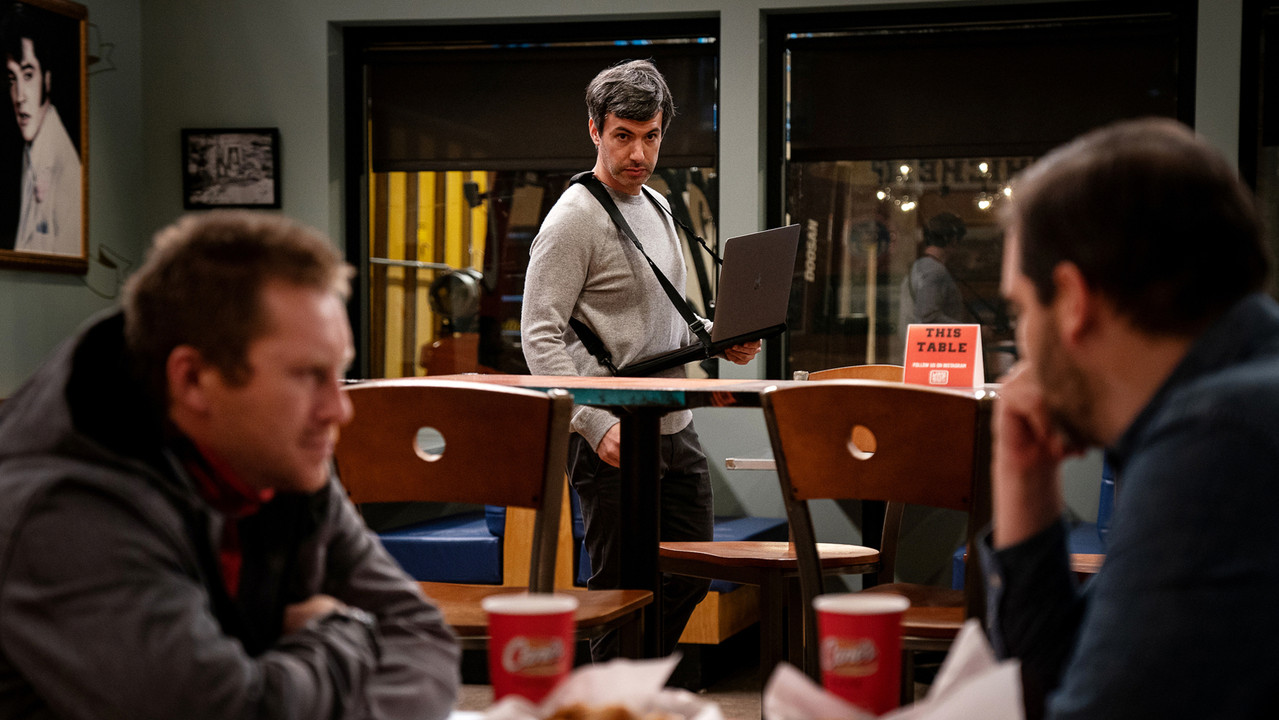
Most comedy treats awkwardness as a punchline. Nathan Fielder treats it as an engineering challenge. In The Rehearsal, every social interaction is an equation that can be solved if you just build enough sets, hire enough crisis actors, and run the branching tree of possible human reactions fifty times in advance.
The genius of the first episode—the bar confession—is how much sympathy it generates. Everyone has stayed up late rehearsing a difficult talk in their head. Fielder just gives that universal neurosis an unlimited production budget. He maps out every potential conversational cul-de-sac with flowcharts and hidden earpieces.
Where It Gets Thorny
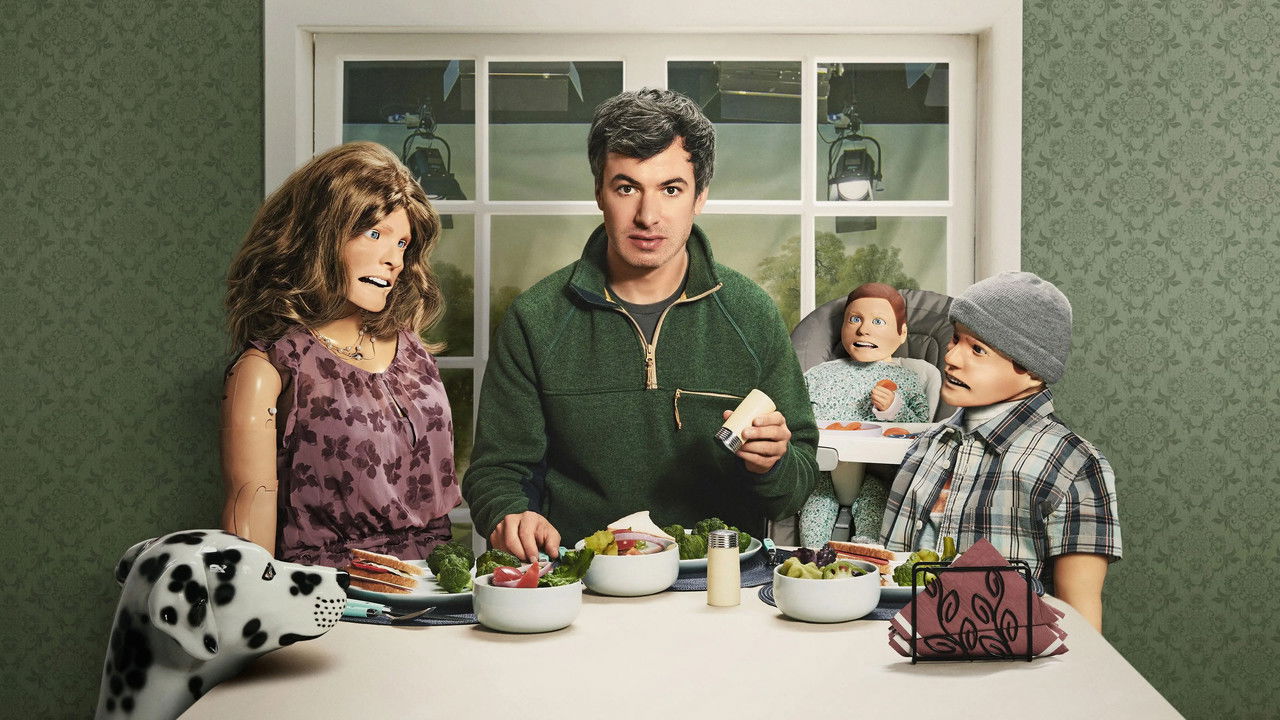
Things get ethically messy when Fielder agrees to help an eccentric woman named Angela practice raising a child from infancy to adulthood in a rural Oregon home. To pull it off, the production employs dozens of child actors on tight legal rotations, adjusting the house's clock to simulate months passing in days.
What starts as dry satire shifts into an eerie breakdown of boundaries:
- The children are acting, but very young children don't fully understand method acting.
- Nathan slips from detached producer into surrogate father, then into an obsessive director rehearsing the people who are rehearsing him.
- The final episode focuses on a six-year-old child actor named Remy who refuses to call Nathan anything other than 'Daddy,' forcing the show to confront the real human collateral of its setup.
Watching this with a sharp sixteen-year-old is rewarding because it dismantles the mechanics of reality television in real time. It lays bare the exploitation built into documentary storytelling. It is not clean, wholesome family viewing, but it is some of the most genuinely thought-provoking television made in this decade.