The Post-Melodrama Medical Procedural
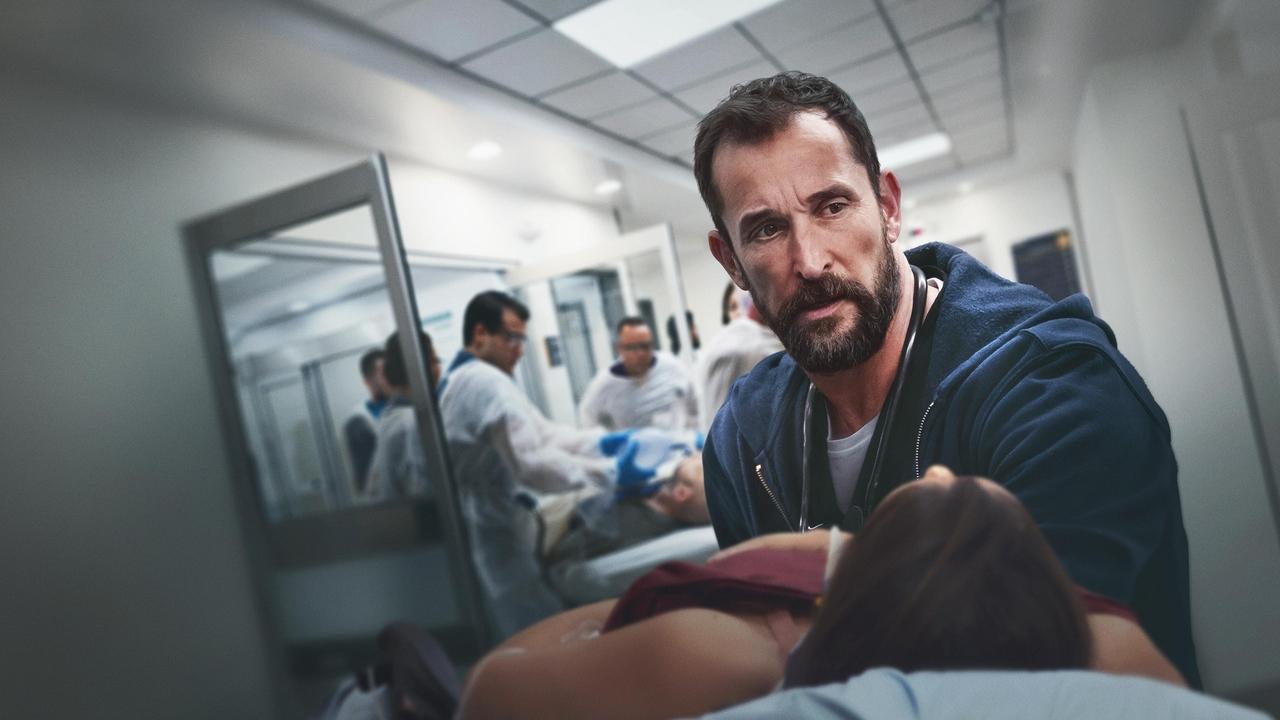
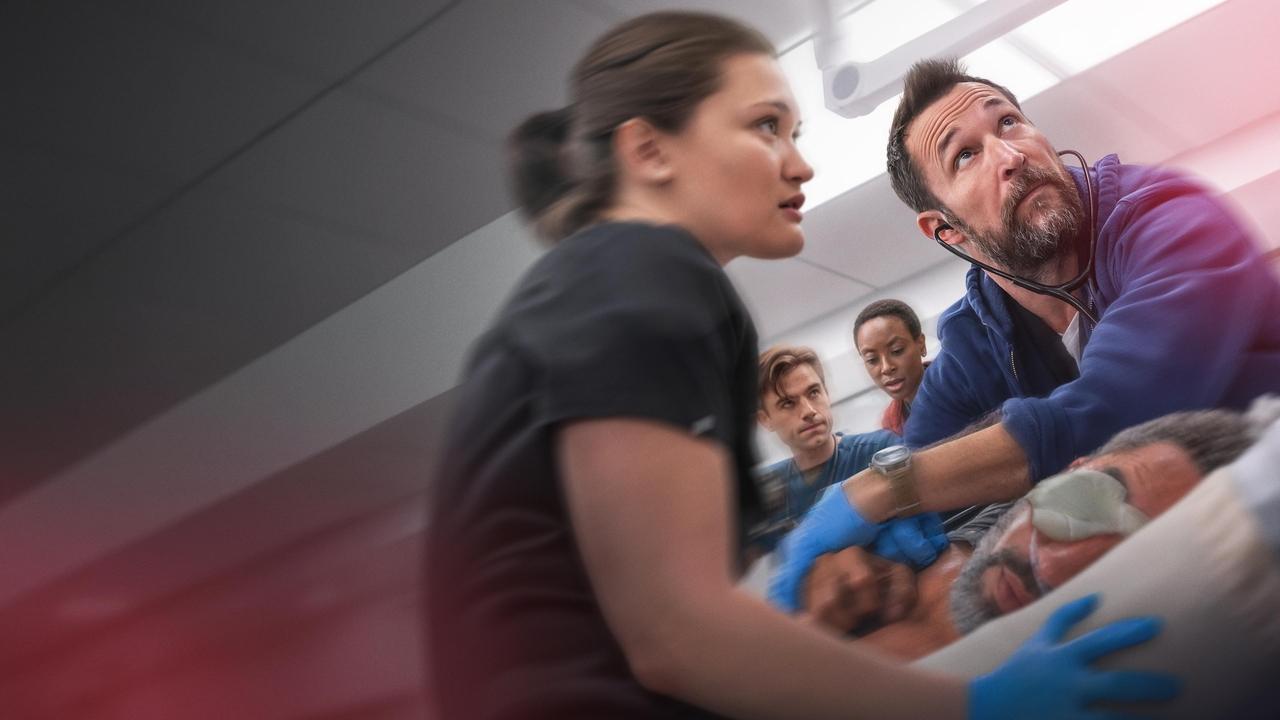
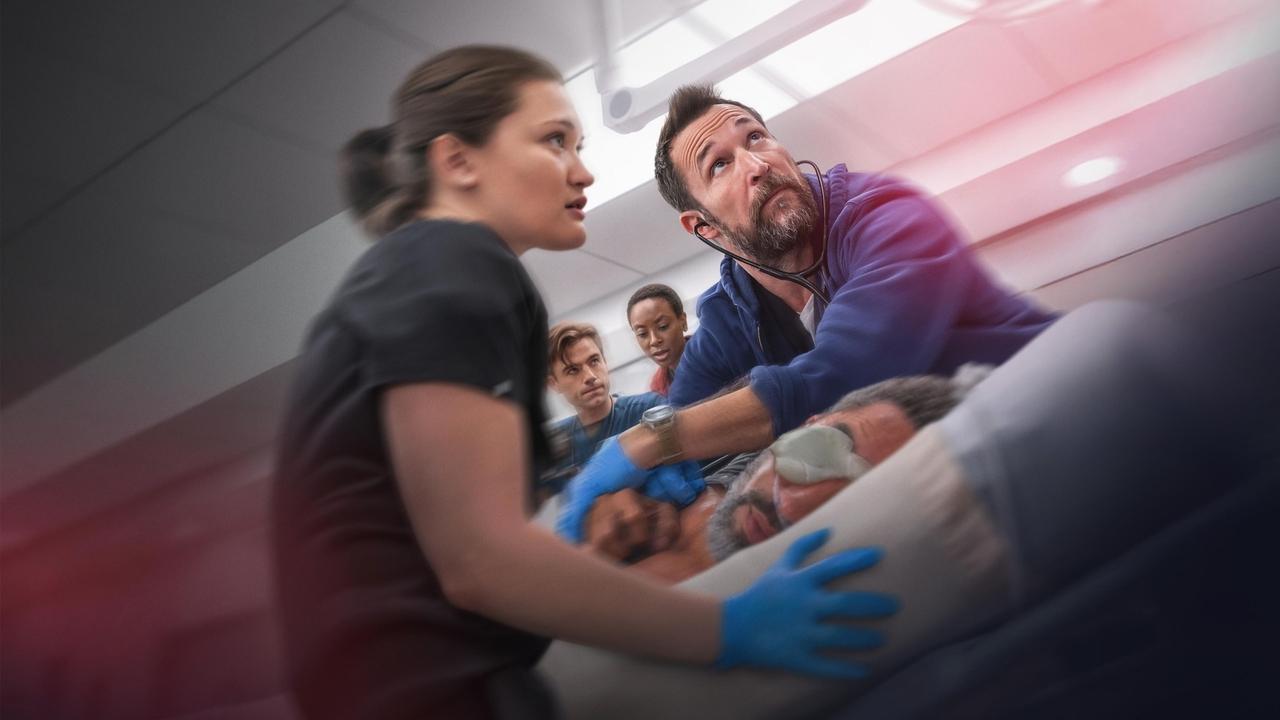
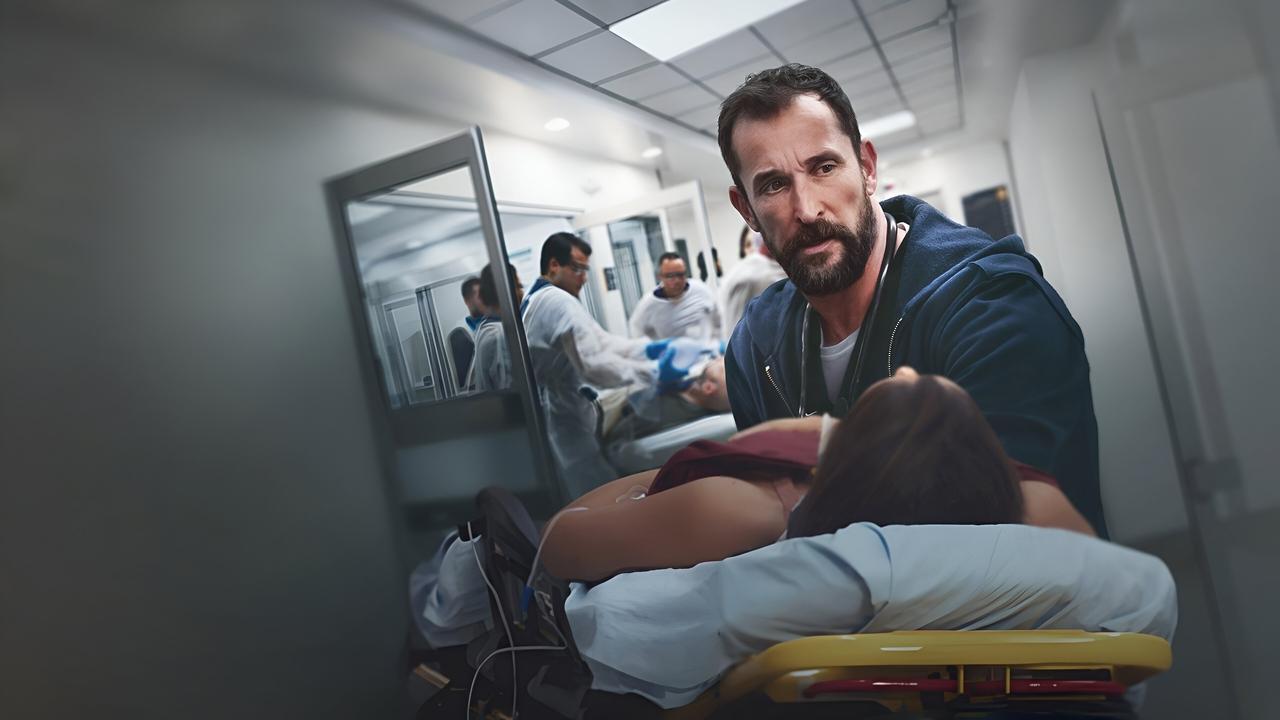
For thirty years, television hospital dramas traded on the same currency: who was sleeping with whom on call-room mattresses, punctuated by an occasional rare parasite or rogue shooter. The Pitt deliberately sidesteps that playbook. By dropping the soapy interpersonal theatrics, the show places its bets entirely on the procedural intensity of an overcrowded, underfunded urban trauma floor.
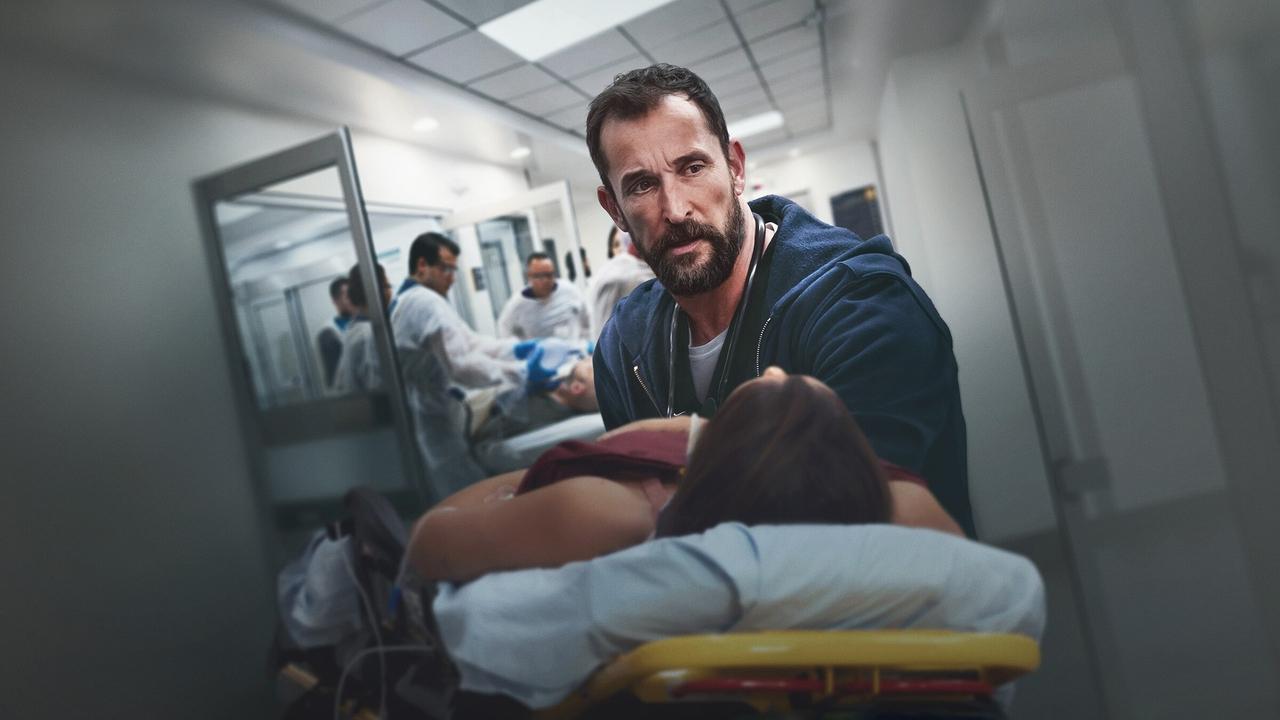
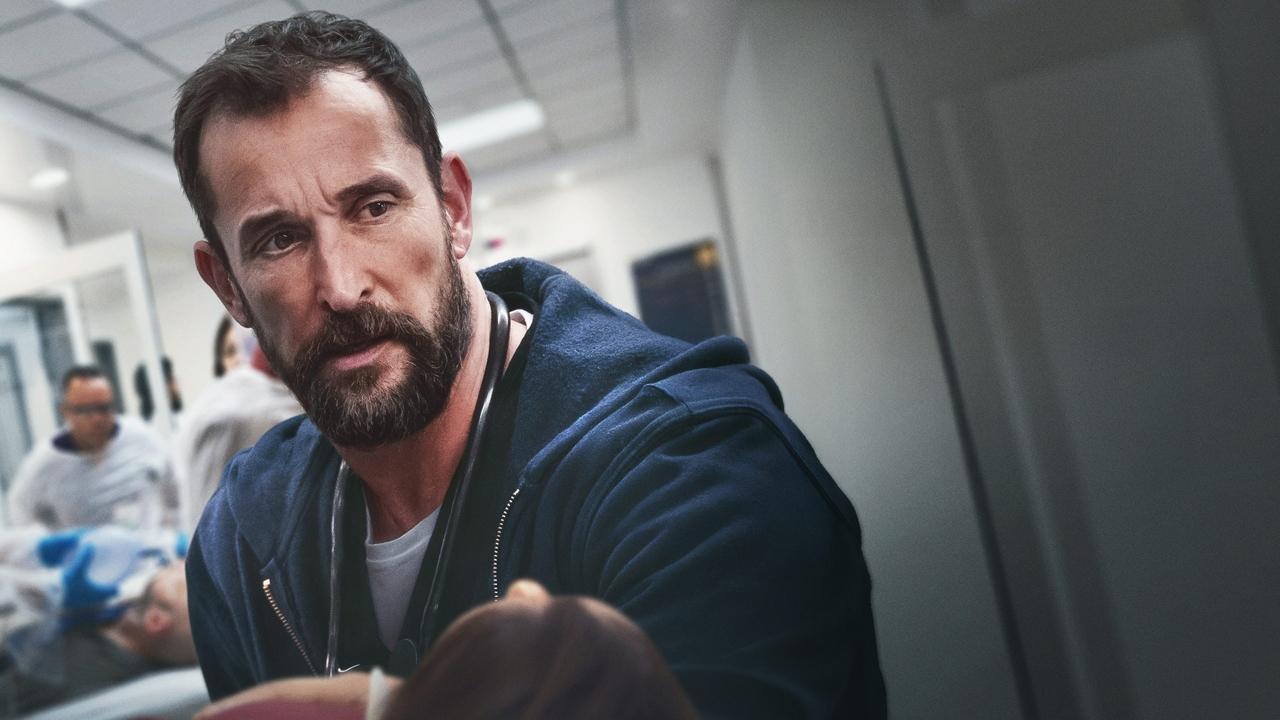
Set in Pittsburgh, the show captures the real crunch facing contemporary American hospitals: bed shortages, boarding crises in hallways, nurse burnout, and the downstream impact of community social failures funneling directly into triage bays. The tension does not come from contrived villainy. It comes from three ambulances arriving simultaneously when the department has one working monitor and zero open resuscitation bays.
Watching with Older Teens
If you have a high schooler eyeing pre-med, EMT certification, or nursing school, The Pitt serves as a reality check worth sharing. It pulls no punches regarding the physical and emotional toll of shift work:
- Clinical accuracy: Procedures use real medical terminology spoken at work speed, without a character turning to explain Latin terms to the audience.
- Triage realities: Doctors have to make harsh calls about resource allocation, illustrating real-world bioethics under pressure.
- Workplace mental health: The series depicts compassion fatigue directly, showing how staff try to decompress before stepping back out to the waiting room.
Because the show avoids cheap jump-scares and concentrates instead on operational realism, the tension feels earned. Sit on the couch together, pause to explain the healthcare economics at play, and treat it as a gritty masterclass in public infrastructure under siege.