Beyond the "Greatest Generation" mythos
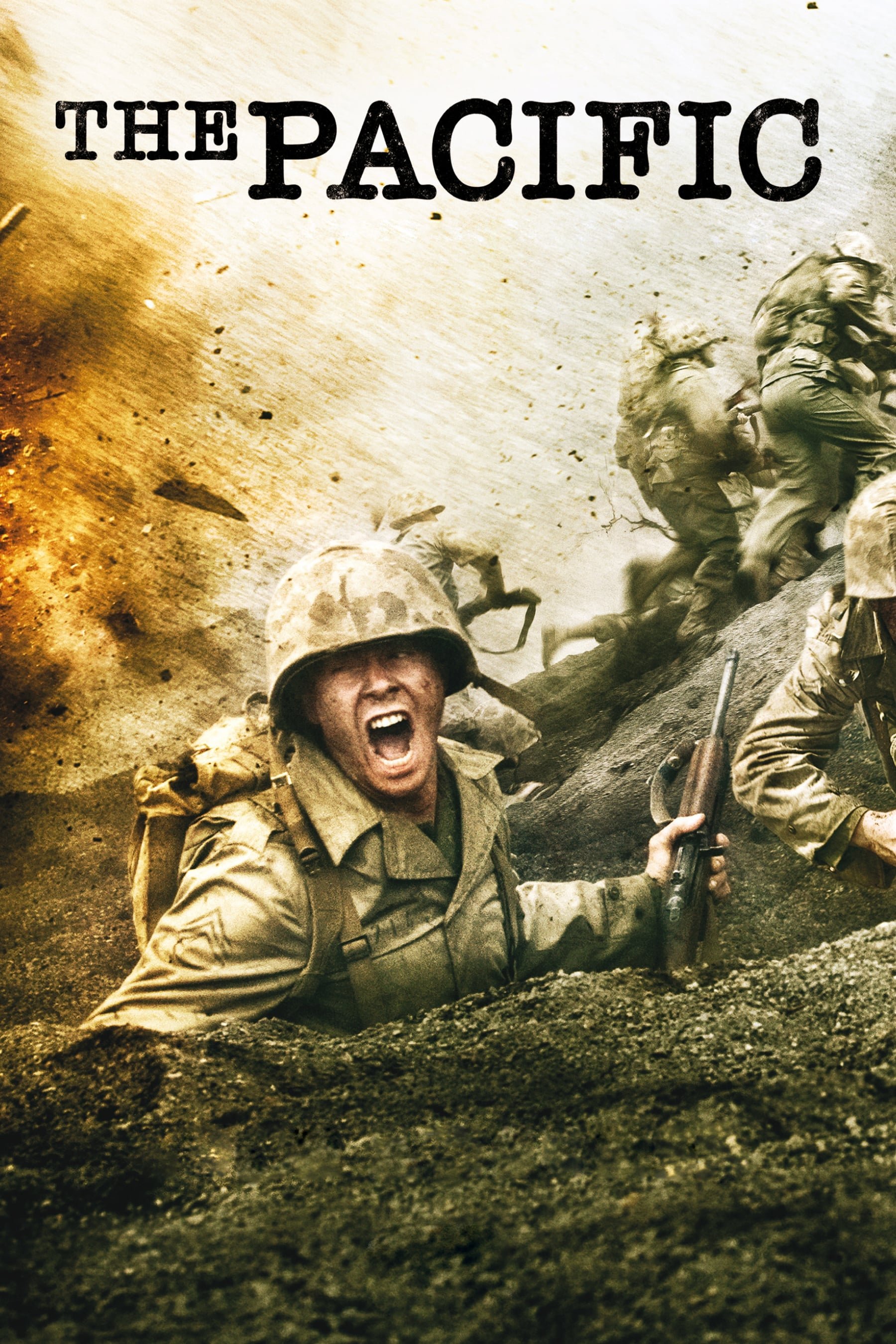
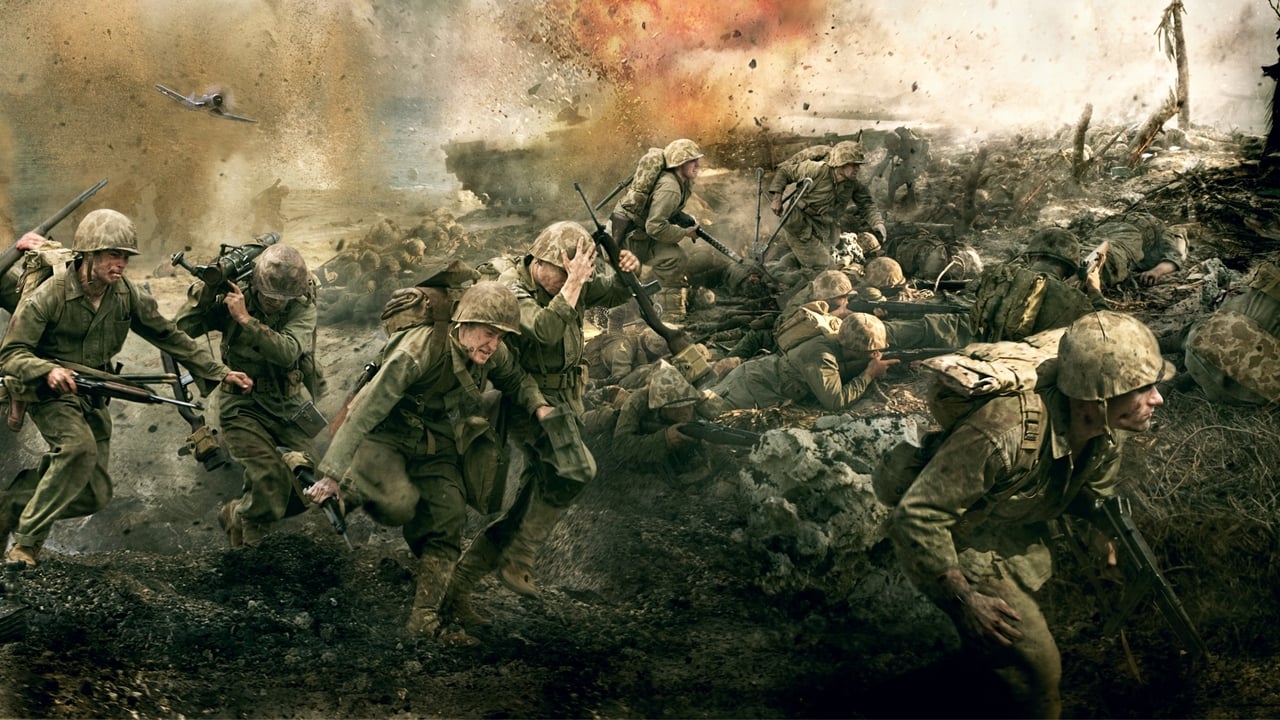
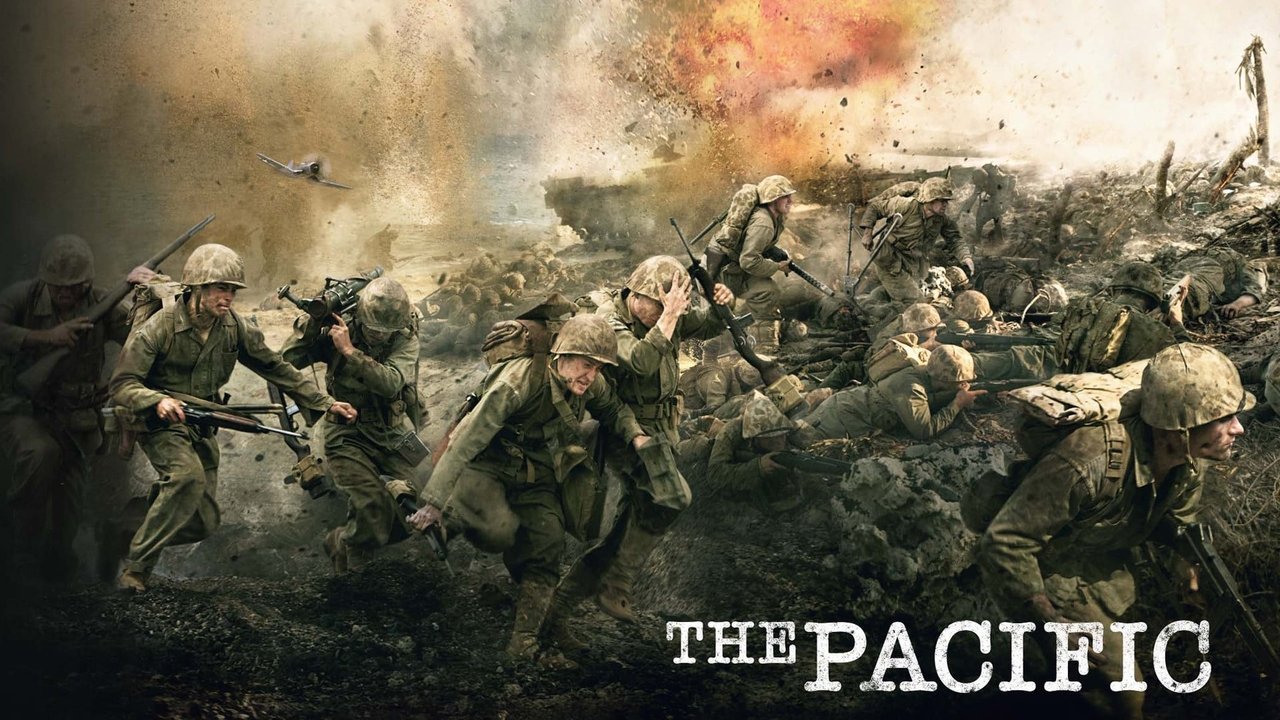
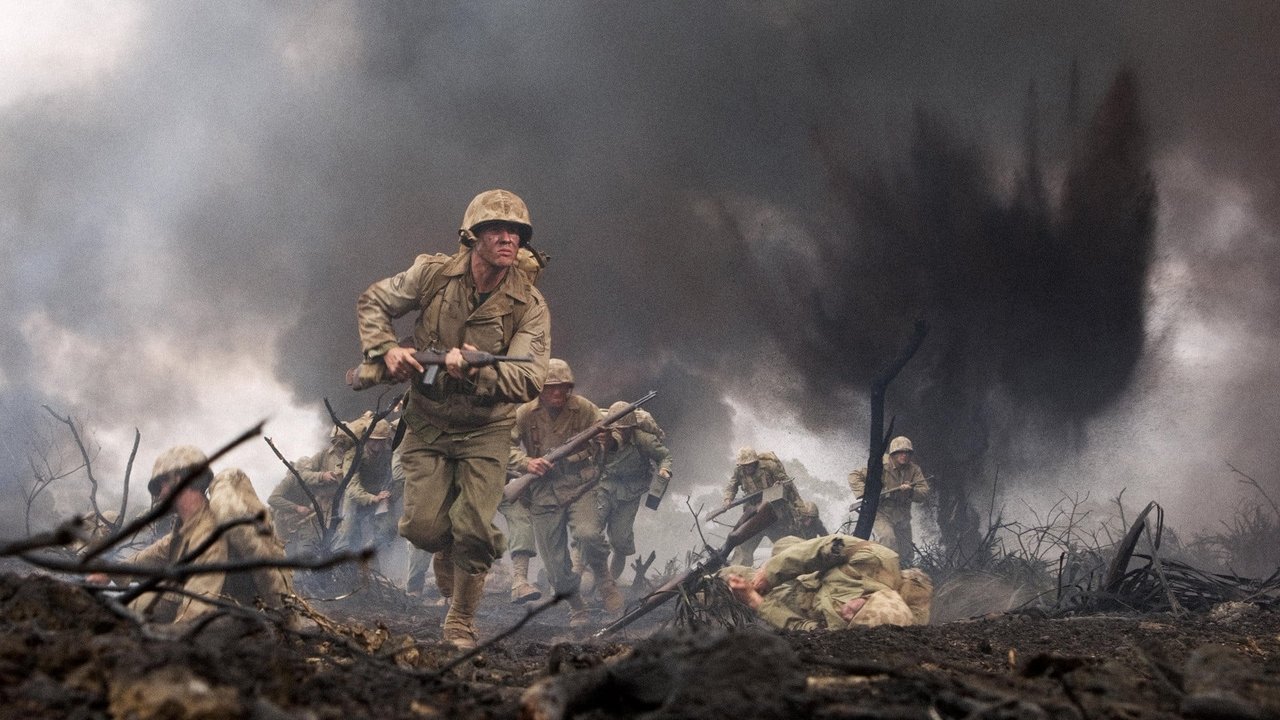
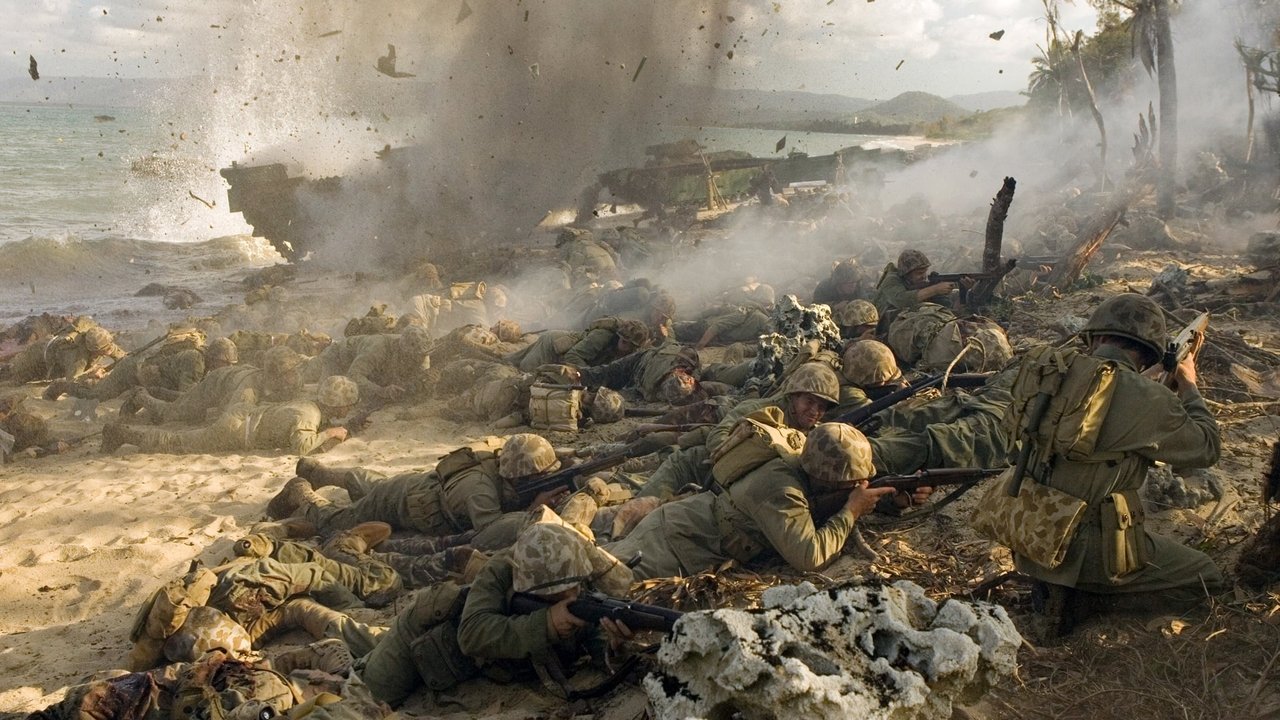
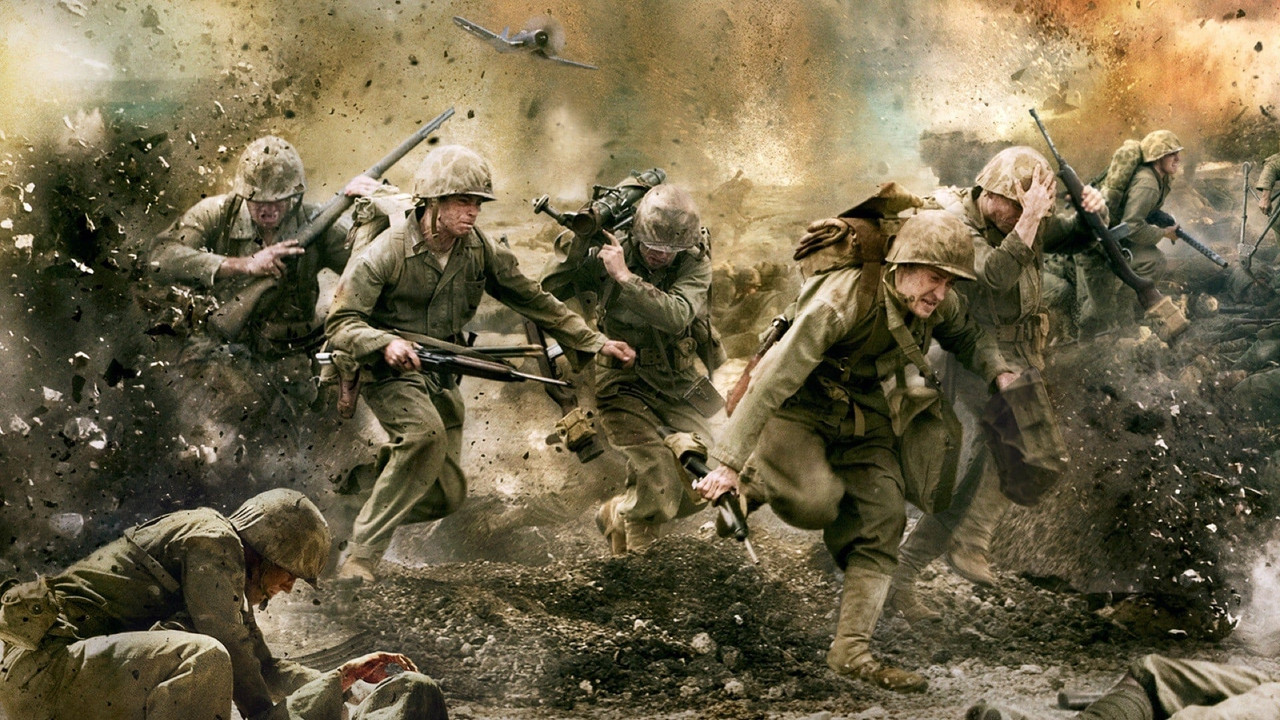
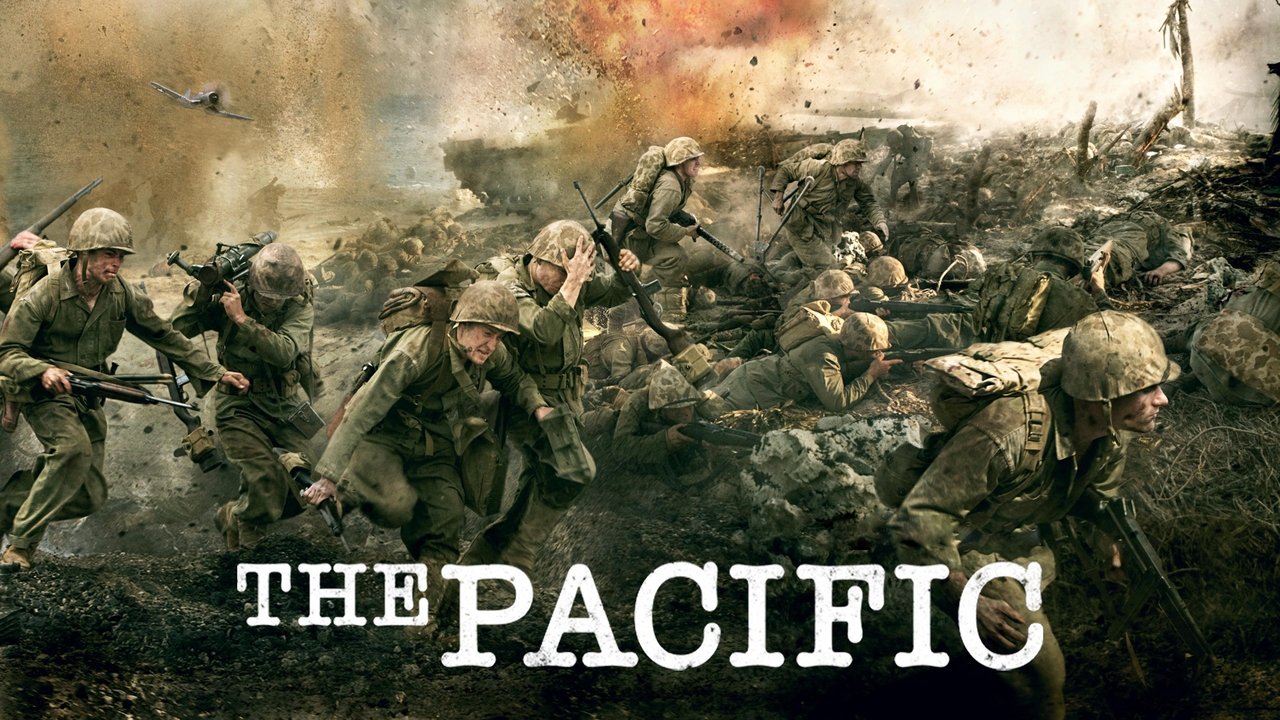
If you grew up on Band of Brothers, you likely remember the sense of camaraderie and the "we’re all in this together" spirit. The Pacific actively tries to kill that feeling. It isn't interested in the grand strategy of the war or the maps of Europe. Instead, it’s a claustrophobic, 10-episode look at what happens to the human psyche when it’s shoved into a jungle and told to stay there for months.
While the production value is massive, the scale feels much smaller and more personal. You aren't following a whole company; you’re following three guys—Leckie, Basilone, and Sledge—and watching their personalities slowly erode. It’s a show about the cost of the war rather than the victory. If you’re watching this with a teen, the conversation shouldn't be about who won which battle, but about what those battles did to the people who survived them.
The Snafu factor
While the three leads are the anchors, the show really belongs to the side characters who have already been broken. The performance of the veteran soldiers—specifically the character Snafu—is what makes the show legendary. He represents the "thousand-yard stare" in human form.
There is a specific kind of coldness in this show that you don't see in other war media. It captures the way soldiers stop seeing the enemy as human and, eventually, stop seeing themselves as human too. If your teen is into the high-stakes, high-stress atmosphere of The Veil, they’ll recognize the tension here, though the violence in The Pacific is far more visceral and historically grounded.
The Melbourne detour
Around the middle of the series, there’s a significant shift when the Marines are sent to Australia for a "break." For a parent, this is the most traditional "drama" part of the show, but it’s also where the more explicit sexual content and complex relationship dynamics live.
It’s a necessary breather, but it’s also deeply uncomfortable because you know they have to go back. It serves as a reminder that these were just kids who were plucked out of normal life and sent to a meat grinder. If your older teen has already handled the dark, psychological weight of something like the Belfast thriller The Fall, they are likely prepared for the emotional swings here.
How to watch it
Don't binge this. It’s too heavy. The 10-part structure works best when you take it one or two episodes at a time to let the weight of the Pacific Theater sink in.
Critics and fans on Reddit often debate which series is "better," but they’re just different. Band of Brothers is about the group; The Pacific is about the individual. If you want a history lesson that feels like a punch to the gut and leaves you thinking about the psychological aftermath for days, this is the one. It’s a masterclass in storytelling that refuses to give you the easy, feel-good ending you might be craving.