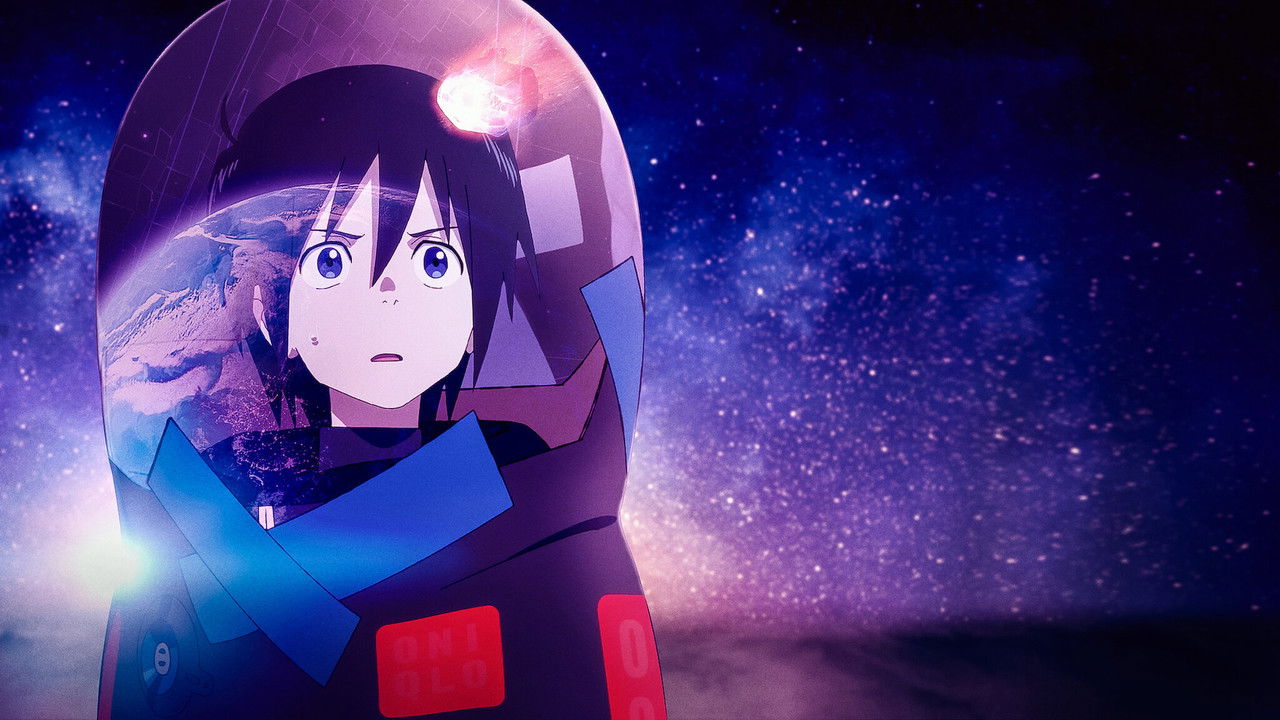
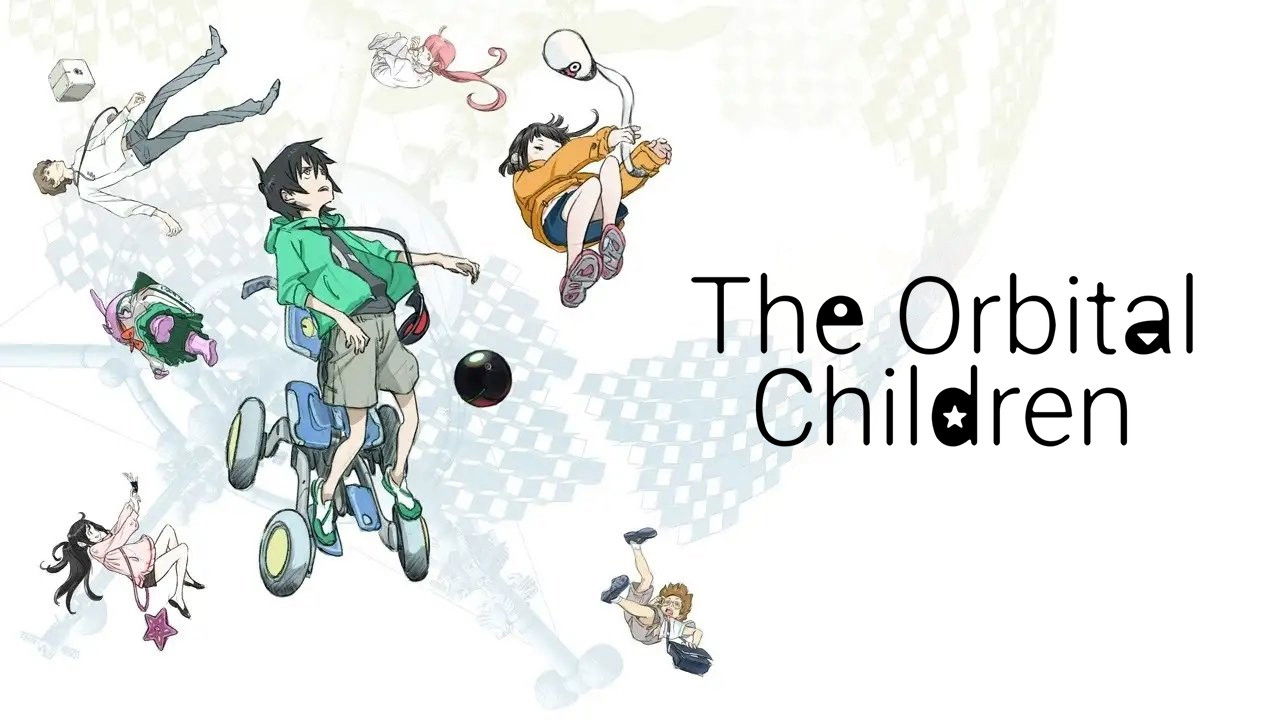
Two different shows welded together
To understand why The Orbital Children feels so specific, it helps to know who made it. Director Mitsuo Iso is mostly famous among animation nerds for a 2007 series called Den-noh Coil, which predicted augmented-reality glasses and digital pets with eerie accuracy fifteen years before the rest of the world caught up. He spent over a decade developing The Orbital Children, and his obsession with how kids actually interact with everyday technology is the best thing about it.
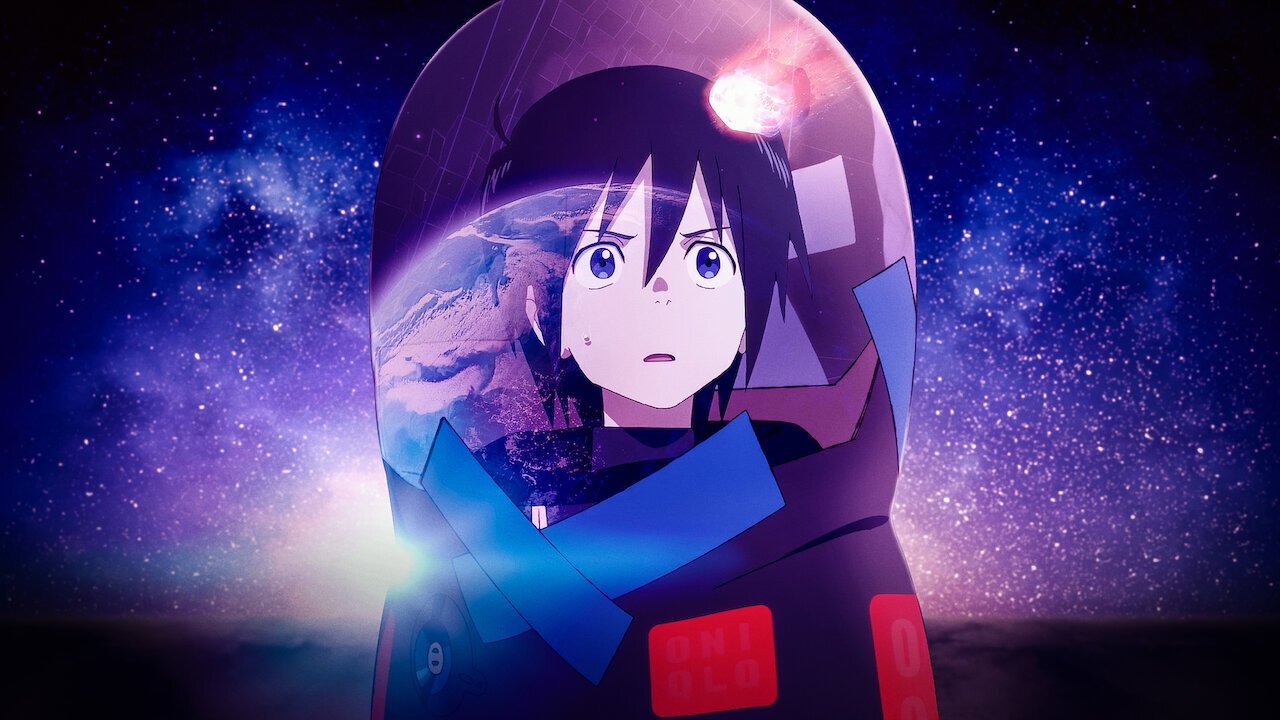
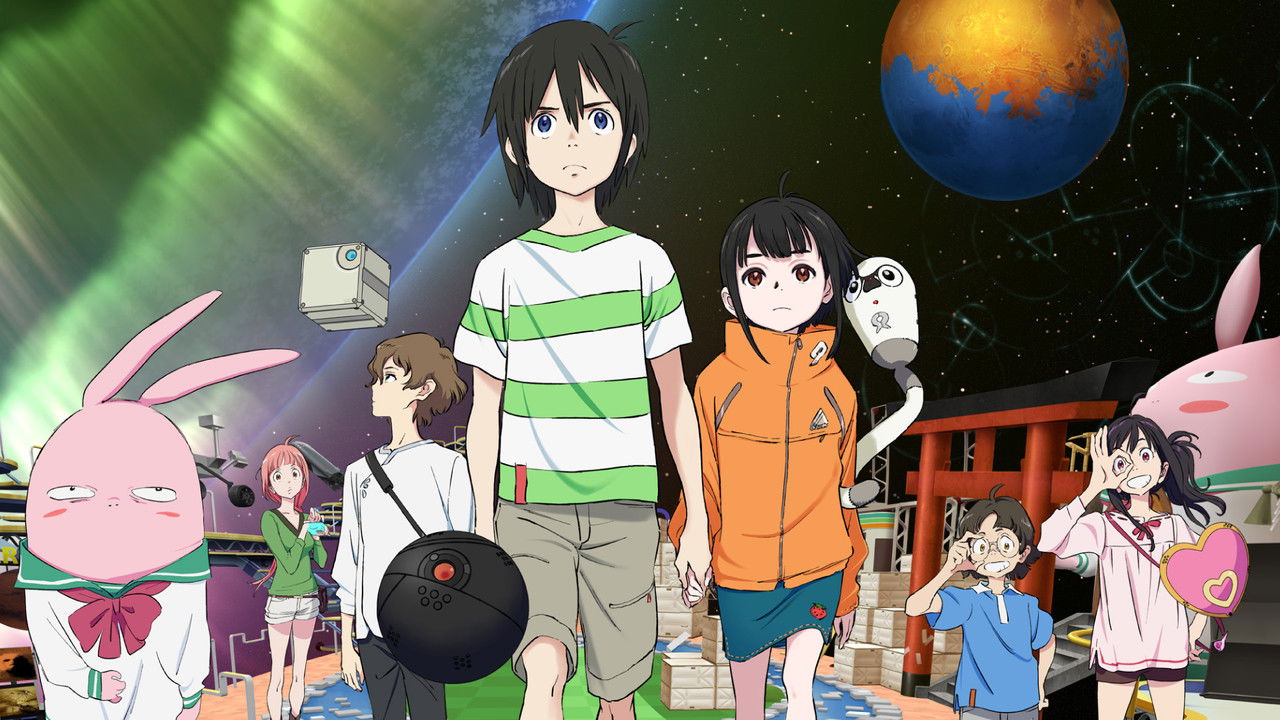
In the 2045 of this show, technology isn't sleek, magical holograms. It is buggy consumer software. When the space station ruptures, the kids rely on a kid-safe version of a smart assistant that keeps blocking critical engineering controls behind parental permissions. One of the Earth kids, Taiyo, is a loudmouthed aspiring influencer who treats a fatal hull breach as content for his channel, until he realizes crowd-sourcing answers from his chat might be their only shot at fixing the life support. That first half is smart, funny, and grounded in physical space mechanics.
Where it loses altitude
Because the show was produced as a two-part theatrical film in Japan before Netflix split it into six episodes, you can feel the exact seam between Episode 3 and Episode 4.
The first half is about air pressure, bulkheads, and battery life. The second half pivots into a sprawling metaphysical argument about whether human intelligence is a threat to the planet, featuring a faction of adult extremists known as the John Doe movement and an AI named Seven that has bypassed its ethical limiters. Characters start delivering speeches about the future of consciousness while floating down corridors.
For a 12- or 14-year-old who is starting to think about big sci-fi concepts—AI alignment, space colonization, who owns orbit—that shift might actually land well. For a viewer who just wanted to see clever kids duct-tape a space station back together, it feels like homework.
Dub vs. Sub
Watch the English dub on Netflix unless your kid is already a seasoned subtitle reader. The script is packed with dense technical jargon about lunar physiology, orbital mechanics, and computer networking, delivered at high speed while visual data pops up on the characters' smart-lenses. Listening in English lets you actually look at the animation, which has stellar zero-gravity character movement.