The Slough Reality Check
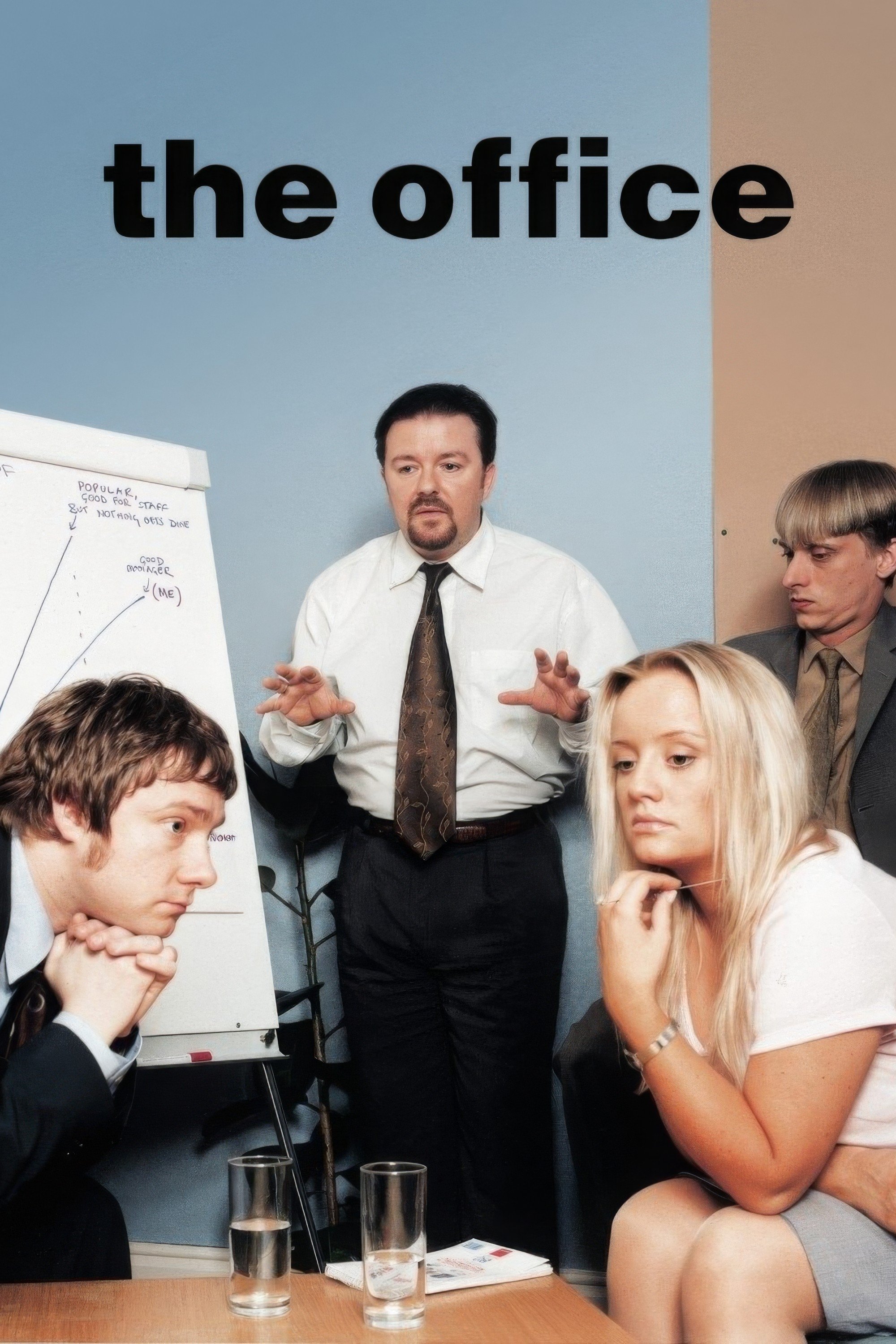
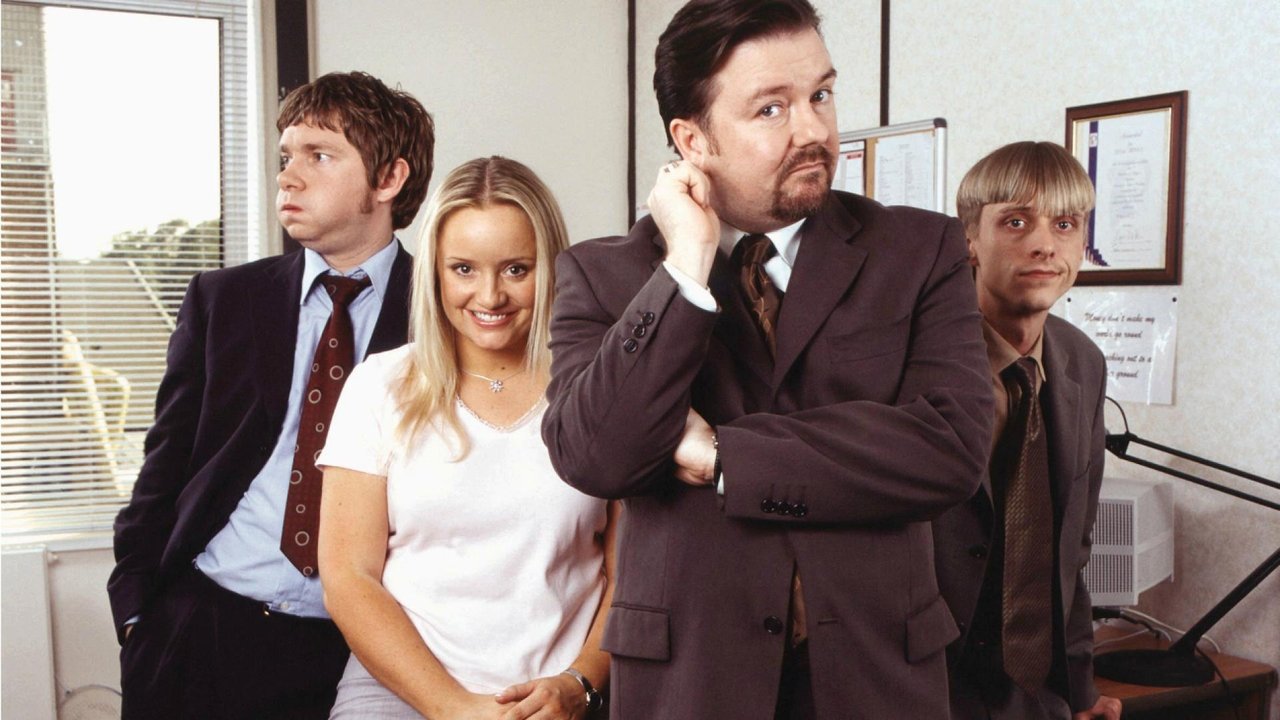
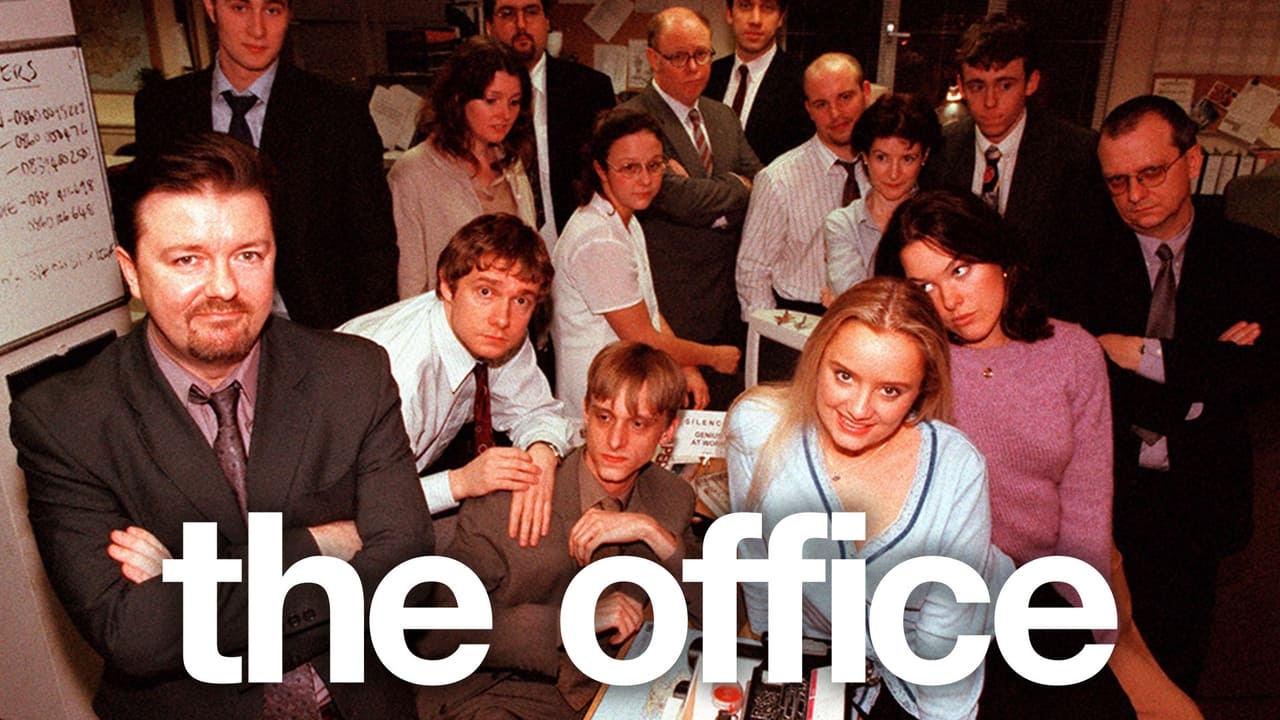
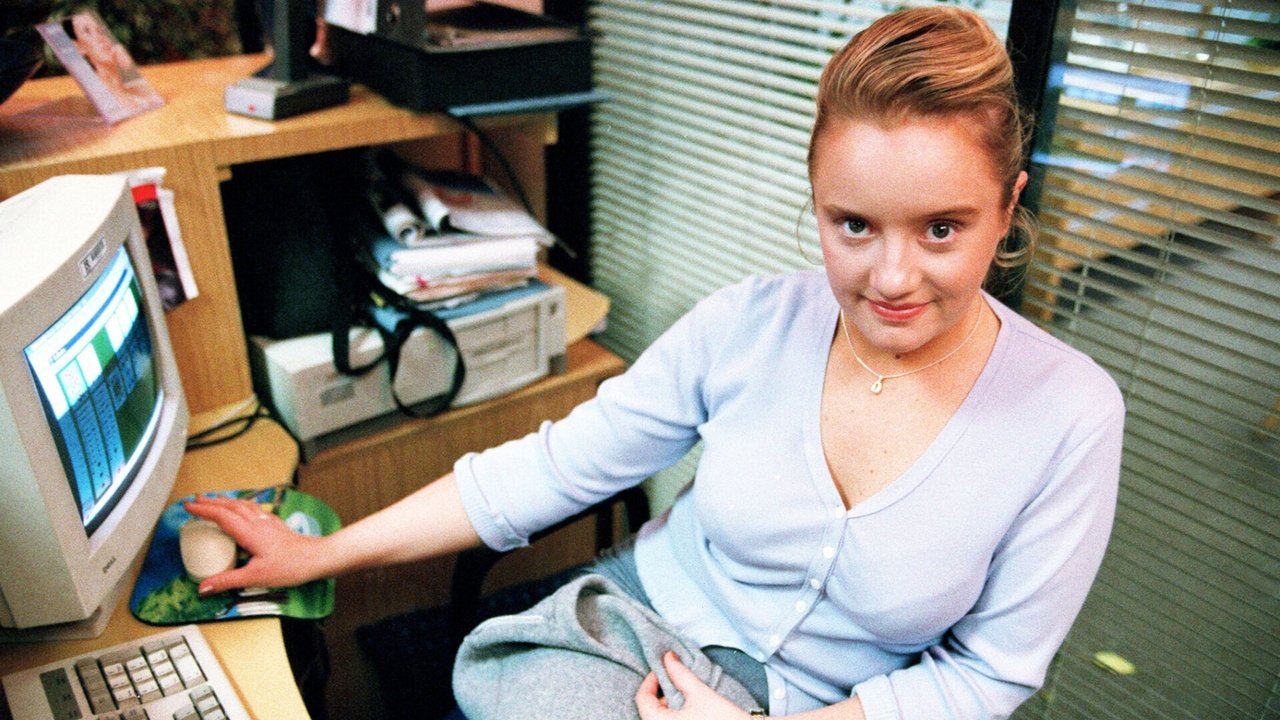
Most teenagers who find their way to the original British series arrive via the long-running US version. If they are expecting quirky romance and whimsical office pranks, they will be startled. The original Wernham Hogg paper merchants branch in Slough feels palpably depressing. The lighting is sickly grey, the carpet is threadbare, and nobody is secretly a movie star waiting for their glow-up.
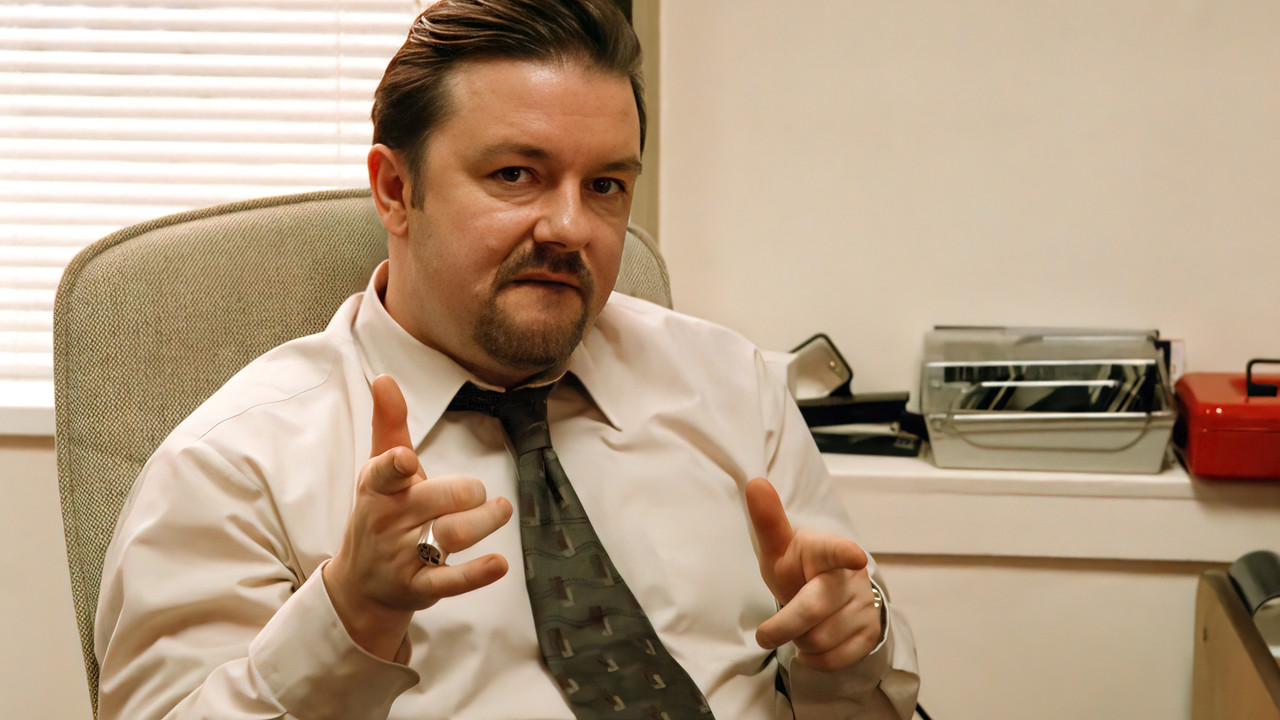
That realism is precisely why it works. Ricky Gervais plays David Brent not as a lovable, goofy uncle, but as a deeply insecure middle manager who desperately wants to be seen as a philosopher, rock star, and friend to the workers. His tragedy is that he is none of those things.
Satire vs. Crude Behavior
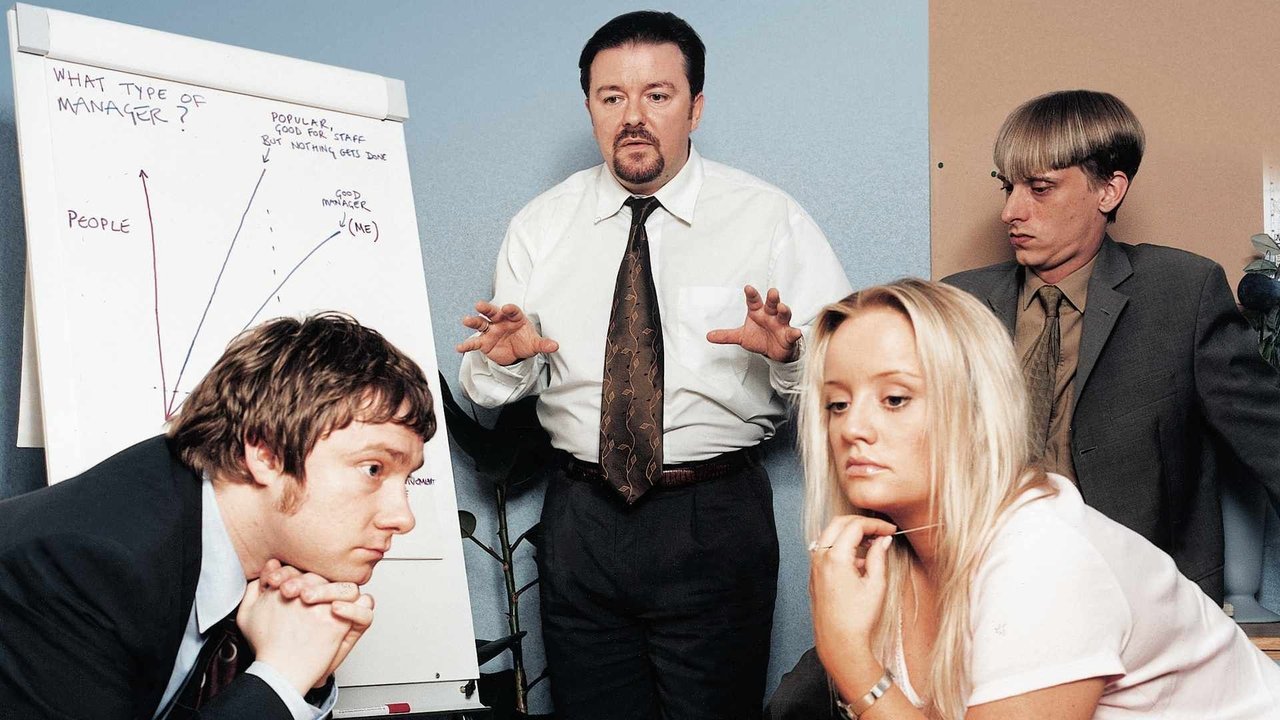
When Brent makes a sexist remark or tries to prove his progressive credentials by stumbling into offensive racial territory, the humor comes from his utter lack of self-awareness. The camera stays fixed on the frozen, uncomfortable faces of the people forced to listen to him.
For a teen viewer, this is a useful exercise in reading subtext. Sitcoms often spoon-feed the joke using musical stings or exaggerated facial reactions. The Office asks the audience to sit in the awkward silence and realize why someone's behavior crossed a line. If your kid watches it, talk about performative behavior: the difference between genuinely caring about people and trying to perform virtue because a camera is rolling.
The Verdict for Family Viewing
Keep this for high schoolers. The profanity is frequent, the jokes skew adult, and younger middle schoolers lack the workplace context to find the drudgery funny. For a 16-year-old interested in writing, acting, or dry comedy, watching all 14 episodes is a short, sharp education in how modern television got made.