The Star Trek of the sandbox set
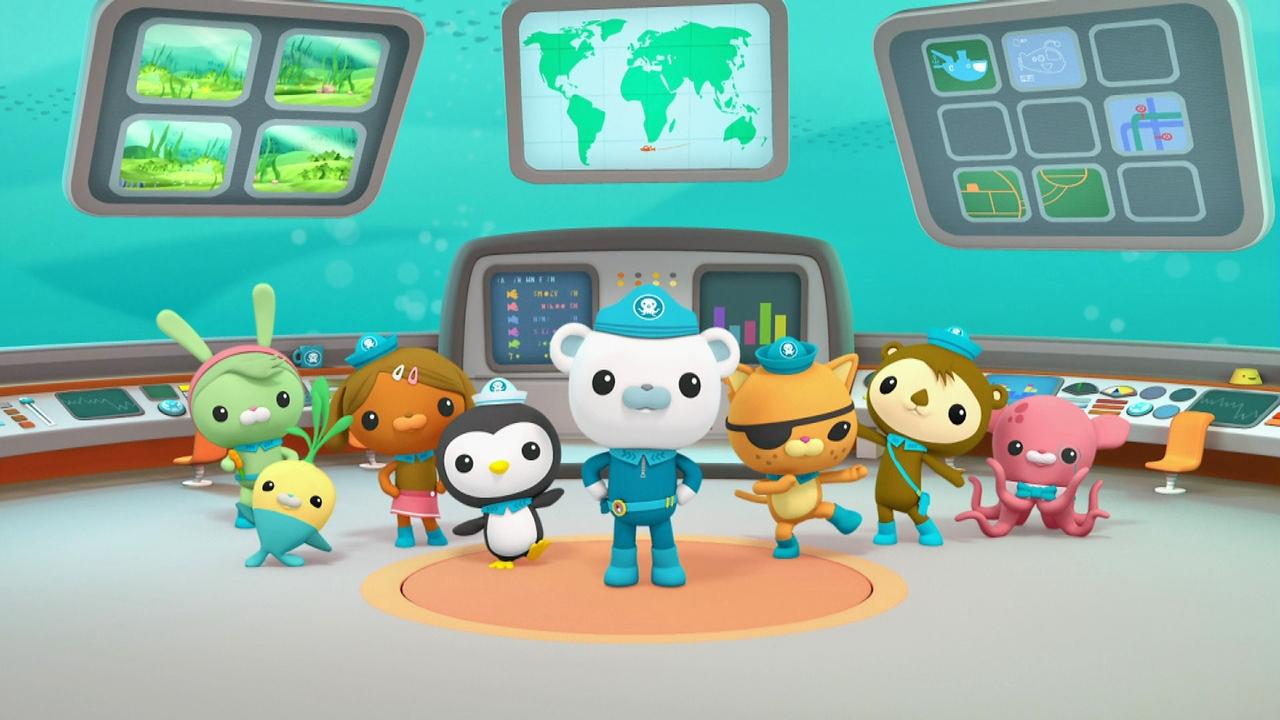
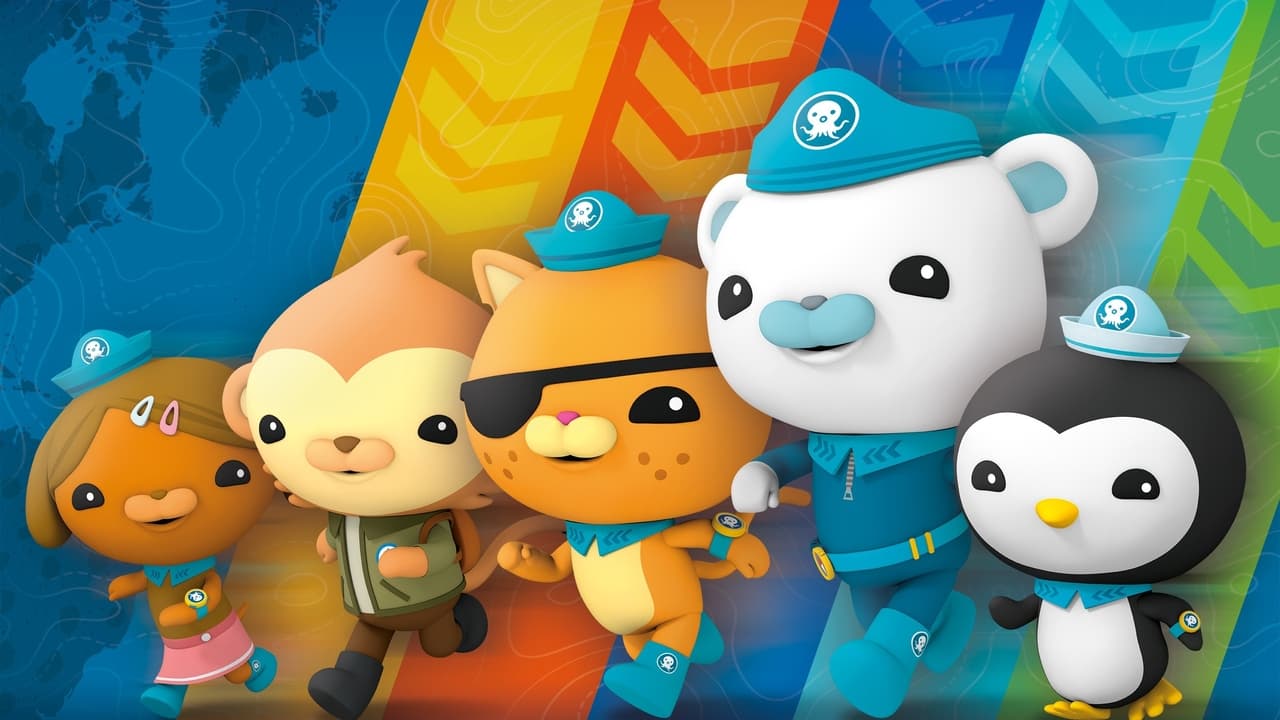
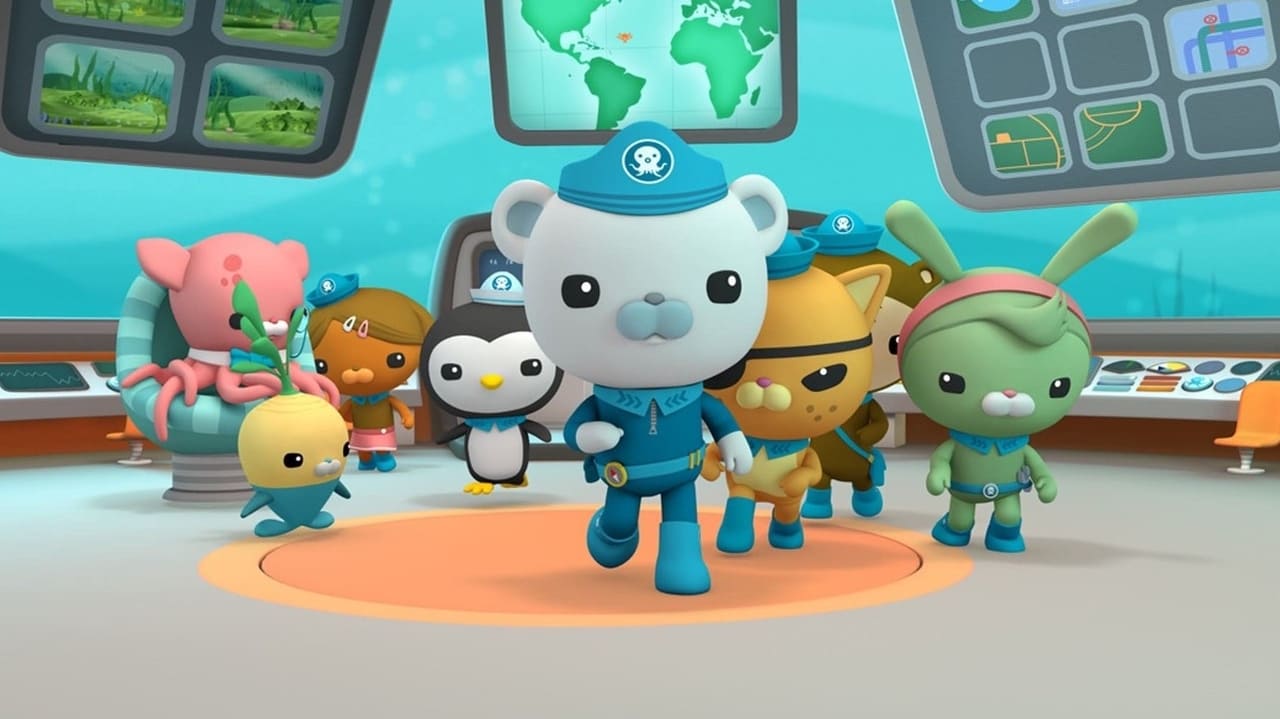
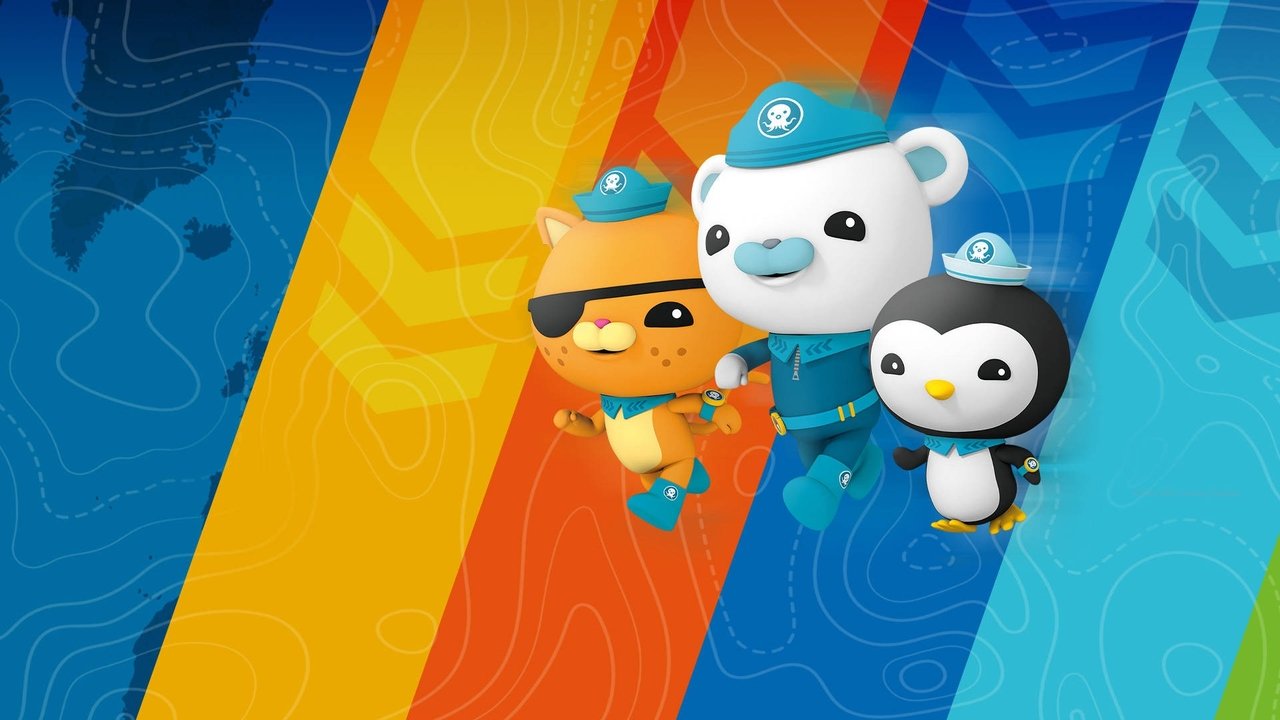
If you stripped away the adorable animal ears and the "Creature Report" songs, Octonauts is essentially a high-functioning workplace procedural. It’s Star Trek for people who still use velcro shoes. Captain Barnacles isn't just a brave polar bear; he’s a model of competent leadership who never raises his voice, even when a Gup-A is about to be crushed by a tectonic plate.
The show avoids the frantic, screechy energy that plagues so many cartoons for kids. Instead, it relies on a "mission of the week" structure that provides a comforting rhythm. There is a problem, a deployment of specialized talent—Peso’s medical skills, Tweak’s engineering, Kwazii’s (occasionally reckless) bravery—and a resolution that usually involves helping a creature rather than defeating a villain. It’s an adventure show where the antagonist is usually just a misunderstanding or a natural disaster, which is a refreshing change of pace from the "good vs. evil" tropes that can be a bit much for a three-year-old.
Marine biology without the homework
The real magic is how it handles facts. Many shows pause the action to lecture the audience, but Octonauts weaves the science into the survival stakes. When the crew explains how a symbiotic relationship works or why a certain fish needs to stay in a specific ocean zone, it’s because someone’s life depends on it.
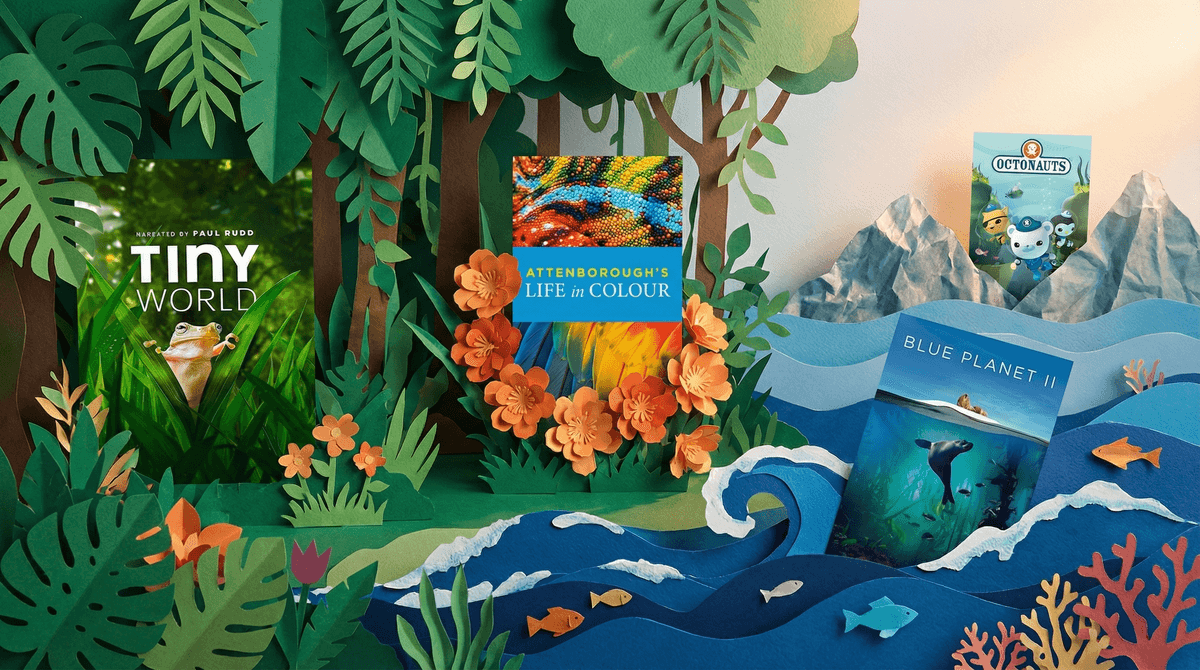
This makes it one of the best science TV series for kids because it treats the ocean as a giant, high-stakes laboratory. The "Creature Report" at the end of each episode is the ultimate "sneaky learning" tool—it recaps the biological facts using real-world footage, bridging the gap between the cute animation and the actual planet. Don't be surprised when your preschooler starts correcting your knowledge of siphonophores or humuhumunukunukuapua'a.
The British pacing advantage
There is a distinct difference in how this show breathes compared to its high-octane American counterparts. While it’s full of "Octo-alerts" and mechanical transformations, the dialogue and character beats feel grounded. This is a great example of how the American vs. British kids’ TV divide often plays out: the UK-originated Octonauts tends to be slightly more understated and less prone to the "constant noise" style of production. It’s an intentional watch that doesn't leave kids vibrating with overstimulated energy when the credits roll.
If your kid liked X, here’s the move
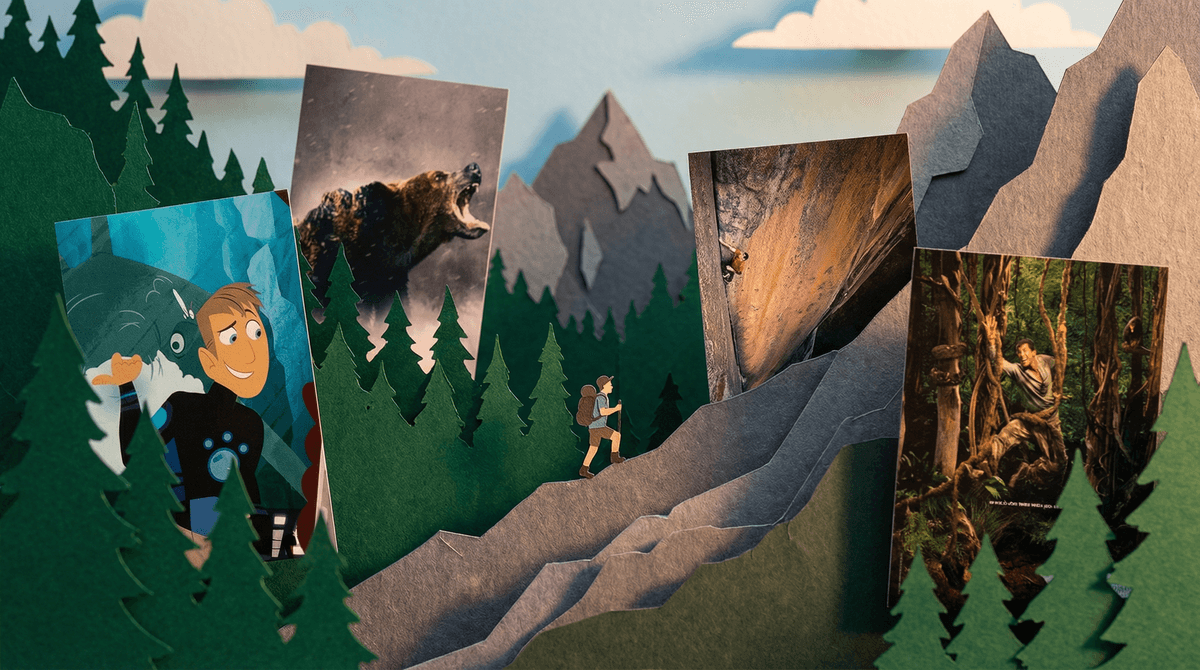
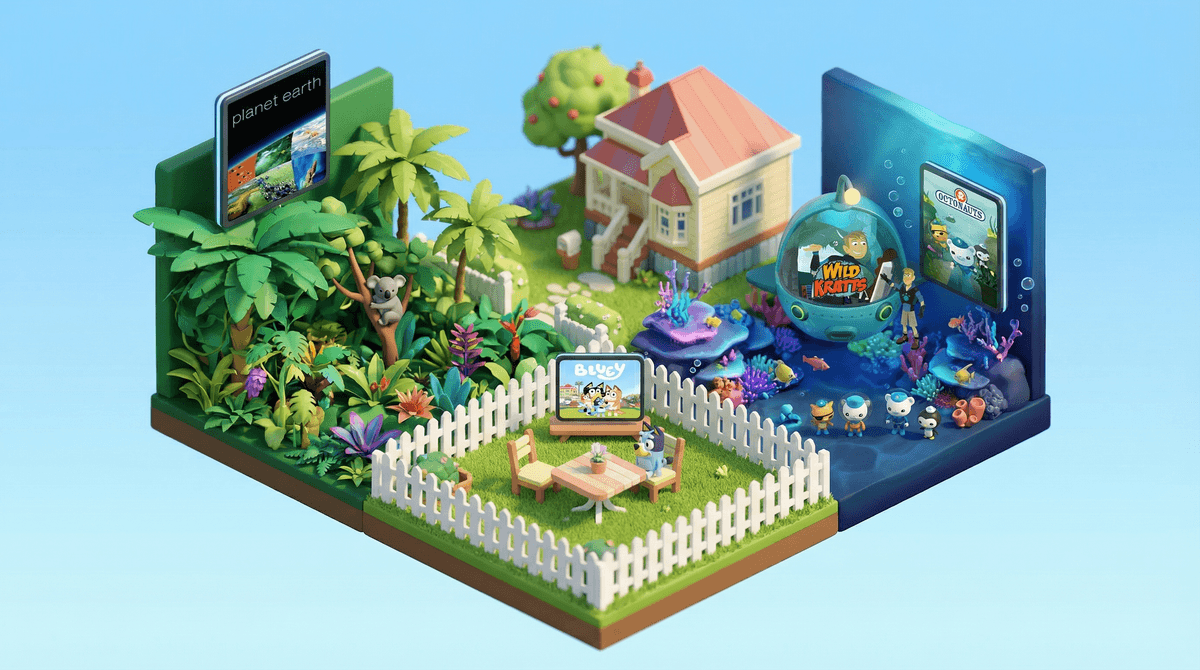
If your house is already a rotating door of Wild Kratts episodes, Octonauts is the natural next step (or the precursor, depending on age). While Wild Kratts leans harder into the "creature powers" and slapstick, Octonauts is more about the machinery and the team dynamic.
If they’ve aged out of the gentle vibes of Bluey but aren't quite ready for the intensity of animal documentaries where things actually get eaten, this is your middle ground. It provides the "big quest" energy without the nightmares. It’s also a perfect companion for kids who are into Ada Twist, Scientist; both shows celebrate the "how" and "why" of the world, though Octonauts swaps the backyard lab for a giant mechanical octopus base.