Sincere Weirdness in an Era of Cynical Sci-Fi
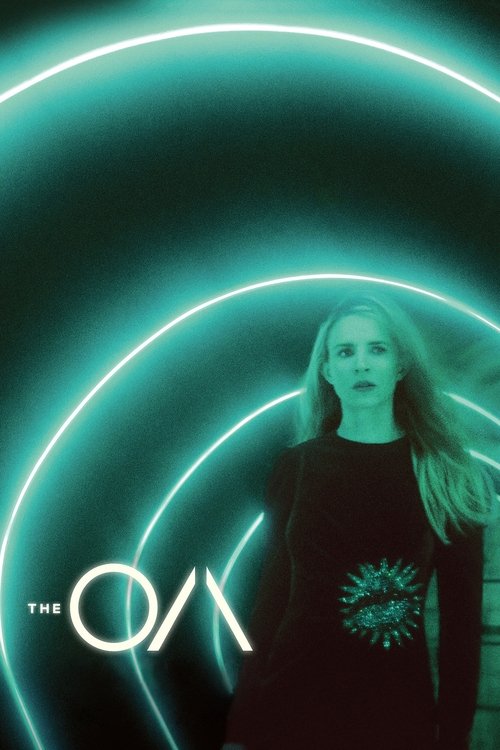
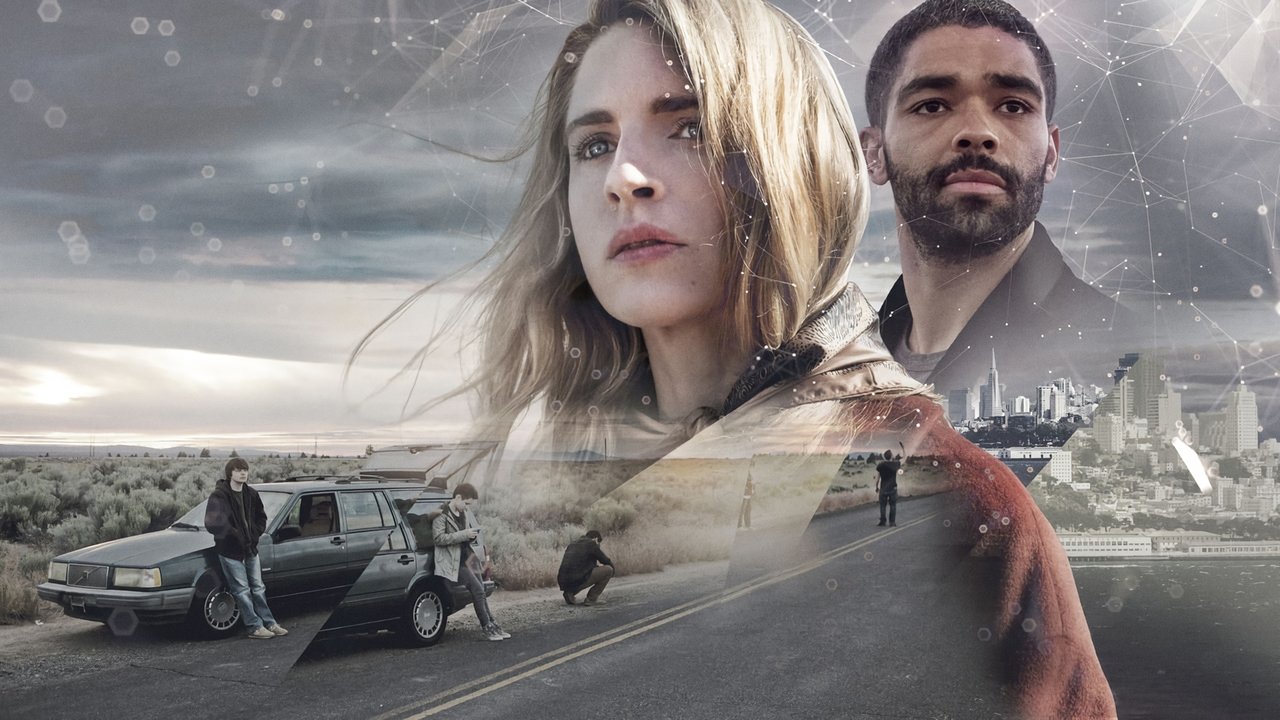
When The OA landed on Netflix in late 2016, it arrived with almost zero advance marketing. Viewers expecting another retro-nostalgia run like Stranger Things instead found an eerie, slow-burning meditation on trauma, Russian oligarchs, near-death experiences, and interpretive movement.
The show asks for serious suspension of disbelief. The core mechanic involves "the movements"—a series of five physical, dance-like sequences that look absurd if you view them with an ounce of cynicism, yet the show treats them with absolute, church-like reverence.
The Heavy Stuff Parents Need to Know
The narrative toggles between two storylines:
- The Michigan suburb, where Prairie meets five damaged local residents in an unfinished subdivision home every night.
- The underground bunker, where a ruthless researcher named Hap keeps near-death survivors trapped in glass cells, regularly drowning them to record the soundscapes of the afterlife.
The bunker sequences are claustrophobic, dark, and psychologically grinding. While gore is minimal, the emotional terror of being trapped by a controlling captor is constant.
Then comes the Season 1 finale. An active shooter enters the high school cafeteria. The five students and teacher face down the rifle using the movements they learned. Depending on who you ask, it is either an astonishingly moving subversion of violence through unity or an offensive misfire. Either way, parents should know it is there before a kid stumbles into it alone.
The Netflix Cancellation Caveat
Season 2 pivots aggressively into neo-noir detective work, dream logic, and parallel realities, ending on one of the most audacious fourth-wall-breaking cliffhangers in television history. Netflix canceled the series immediately afterward. If your household hates investing twenty hours into a mystery box that will never resolve its core questions, factor that in before pressing play.