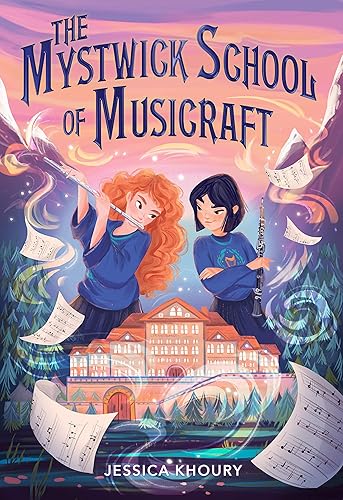
Our reviews and ratings are 100% unbiased. Screenwise is a Bookshop.org affiliate and an Amazon Associate, so if you buy a book through one of our links, we may earn a commission. Bookshop.org purchases also support independent bookstores.
Screenwise Verdict
This is a top-tier recommendation for middle-grade readers. It’s rare to find a book that manages to be this imaginative while also being technically accurate about a real-world skill like music.
It’s the opposite of brain rot; it actually encourages kids to pick up an instrument and see the 'magic' in their own practice. If your kid liked Nevermoor or the Percy Jackson series, this is an easy next step that feels fresh and modern without being edgy for the sake of it.
Age Fit
Perfect for the 8-to-12 crowd, especially those in school band or choir. Older teens might find the 'magic school' tropes a bit young, but music nerds of all ages will appreciate the world-building.
WISE Breakdown
Wholesome
92
It centers on a protagonist navigating anxiety and self-doubt in a supportive, though high-pressure, educational environment. The focus on friendship and persistence over 'chosen one' tropes keeps the tone grounded and emotionally healthy.
Imaginative
95
The 'Musicraft' system is a brilliant twist on magic. Instead of vague Latin chanting, spells are composed and performed. It treats music as a literal force of nature, which is a fantastic way to get kids thinking about creative expression as a superpower.
Safe
98
Standard middle-grade fantasy fare. No graphic violence, sexual content, or heavy profanity. The primary 'threats' are magical mishaps and social friction common in boarding school stories.
Enriching
94
It sneaks in genuine musical terminology and concepts (like tempo, pitch, and harmony) without feeling like a textbook. It also tackles 'imposter syndrome' in a way that's very relevant for kids in competitive hobbies like sports or band.
Parent Info
✓
Why It Might Be Great
The magic system is actually tied to music theory, which is a total win for any kid currently struggling through piano lessons.
Amelia is a refreshingly anxious hero; she isn't a natural prodigy, which makes her wins feel earned rather than destined.
It avoids the 'dark and gritty' trap that many modern fantasies fall into, staying fun and whimsical while keeping the stakes high.
⚠
What to Watch For
Amelia deals with some heavy grief regarding her late mother, which might be a bit much for very sensitive readers.
Expect some classic boarding school 'mean girl' tropes that can feel a bit predictable for older readers.
Conversation Starters
"Amelia feels like a 'fluke' even after she gets in. Have you ever felt like you didn't belong somewhere even though you worked for it?"
"If you could cast a spell using any song or instrument, what would your 'signature move' be?"
"Why do you think the teachers at Mystwick are so strict about the music being perfect?"