Our reviews and ratings are 100% unbiased. Screenwise is a Bookshop.org affiliate and an Amazon Associate, so if you buy a book through one of our links, we may earn a commission. Bookshop.org purchases also support independent bookstores.
Screenwise Verdict
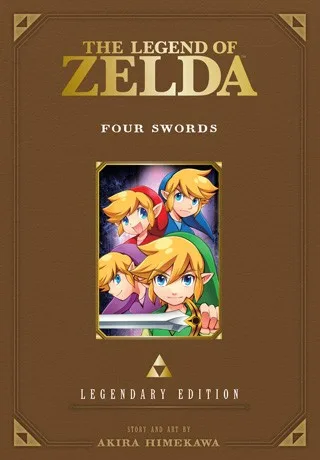
The Legend of Zelda manga adaptations accomplish a minor miracle: taking a video game hero famous for shouting "Hyah!" and making him a compelling, talkative protagonist on the printed page. Written and illustrated by Akira Himekawa, these books lean heavily into fantasy adventure while staying true to the spirit of the Nintendo franchise.
For kids who struggle to sit down with dense text novels, these books offer a fantastic alternative. The artwork is clean, panel layouts are dynamic, and the pacing keeps momentum high from temple to boss fight.
Content-wise, expect typical fantasy action. Swordplay and dark spells are everywhere, but the tone stays squarely within PG territory. If your kid loves Zelda games, handing them these books is one of the easiest reading wins you will get all year.
Age Fit
Best for kids ages 8 and up. The action is fast and the layout moves quickly, making it accessible for middle-grade readers without overwhelming them.
WISE Breakdown
Wholesome
82
Anchored in classic themes of courage, loyalty, and saving the kingdom. Link consistently models selflessness, helping others, and working with companions.
Imaginative
90
Translates game logic, puzzles, elemental magic, and time-bending fantasy into creative graphic novel storytelling.
Safe
85
Stylized manga fantasy violence with sword fights and shadowy monsters, but free of gore, explicit content, or cheap shock tactics.
Enriching
80
Excellent gateway format for reluctant readers, building visual narrative literacy and right-to-left manga panel navigation.
Parent Info
✓
Why It Might Be Great
Gives Link a real personality and actual dialogue, filling in story gaps that the silent video game protagonist leaves open.
Acts as a perfect bridge to print for kids who would normally spend all afternoon staring at a Nintendo Switch screen.
Features stunning action artwork by creative duo Akira Himekawa that brings Hyrule's monsters, magic, and temples to life.
Teaches panel literacy by introducing younger readers to traditional Japanese right-to-left manga formatting.
⚠
What to Watch For
Stylized fantasy violence features sword slashes, bow shots, and crumbling dark magic creatures, though blood is kept to a minimum.
Mild scary elements include dark shadow clones, demon kings, and occasional moments of mild peril or character kidnapping.
Conversation Starters
"Link speaks a lot in the manga compared to the games. Does his personality match how you imagined him when playing?"
"If you got split into four different versions of yourself like in Four Swords, which personality traits would each clone get?"
"How does reading a story right-to-left change how your brain tracks the action across the page?"
Deep Dive
Translating Game Mechanics to the Printed Page
Video game adaptations often fail because games rely on player input for tension, whereas books rely on character motivation. Akira Himekawa solves this by giving Link distinct emotional arcs. In the Four Swords arc, splitting Link into four distinct colored clones forces him to confront his own impulsiveness, insecurity, and pride before he can re-integrate and defeat Shadow Link.
The Manga Format as a Literacy Accelerator
For reluctant readers, manga removes the intimidating block-of-text barrier while maintaining elevated narrative complexity. Reading right-to-left requires active focus and visual tracking. Kids aren't just scanning pictures; they are interpreting visual pacing, expression, and dialogue placement simultaneously.
If you want to capitalize on a kid's gaming hyperfixation without handing over another controller, these Legendary Edition omnibuses are top-tier bookshelf additions.