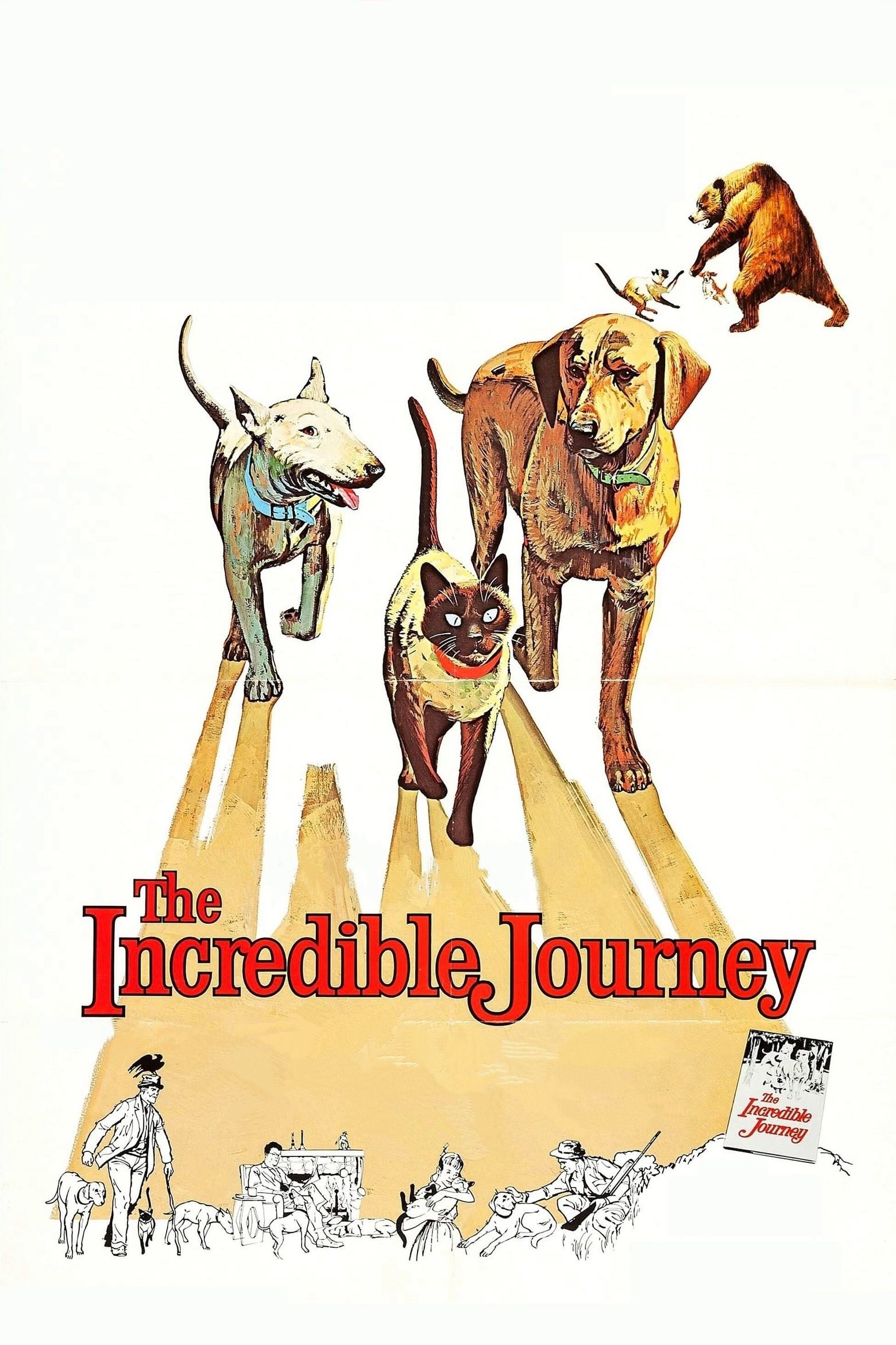
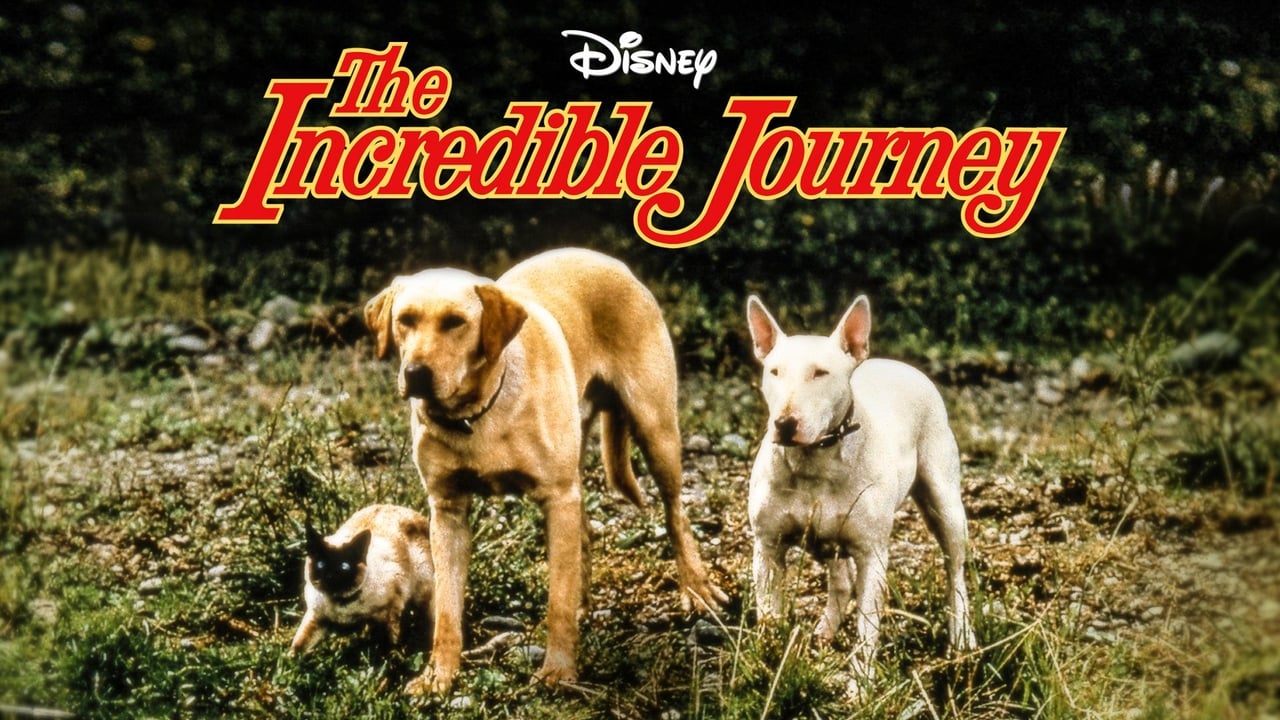
If your kids are used to the snarky, mile-a-minute dialogue of modern pet movies where the animals have the personalities of stand-up comedians, this 1963 original is going to be a massive culture shock. There are no celebrity voice-overs here. There are no internal monologues about kibble or chasing mailmen. Instead, you get a movie that asks the audience to do something almost unheard of in 2026: pay attention to what an animal is actually doing rather than what it's "saying."
The "Silent" Narrative
The biggest hurdle for a modern family isn't the age of the film; it's the silence. The story relies heavily on a 1960s-style narrator who sounds like he’s stepped out of a middle-school science film. But once you get past that, the movie becomes a masterclass in observation.
Because the animals don't talk, the tension is strictly physical. When the cat is separated from the dogs, or when they face off against a bear, the stakes feel significantly higher than in a cartoon. It’s not "cute" peril; it’s survival. If you have a kid who is obsessed with nature documentaries or who spends hours watching "primitive building" videos on YouTube, they will likely find the logistics of the journey fascinating. For everyone else, you might need to treat this as a "background" movie for a rainy afternoon while they build Legos.
The 1993 Comparison
It is impossible to talk about this film without mentioning its much louder, much more famous younger brother. Most parents today grew up with the '90s remake, and we have a whole breakdown on Homeward Bound: Why This 90s Classic is the Ultimate Lesson in Resilience.
The 1963 version is the "unplugged" acoustic set to the '93 version's stadium rock. While the remake focuses on the emotional growth and "finding yourself" through dialogue, the 1963 version is about grit. It treats the wilderness as a character that is trying to stop them. If your kid liked the remake but found the constant bickering between the pets a bit much, they might actually prefer the quiet dignity of this original. It’s less of a comedy and more of an epic.
Watching for Friction
The "nature can be mean" warning isn't just about the predators. There’s a scene involving a river crossing that is genuinely stressful. Because these are real animals and not CGI models, the physical struggle looks—and is—very real. For a sensitive child who treats their own dog like a sibling, seeing a pet in actual physical distress might be a bit much.
However, there’s a payoff to that stress. This movie doesn't offer cheap wins. When the pets finally reach a milestone, it feels earned because you’ve watched them limp, shiver, and struggle to get there. It’s a great way to introduce the concept of perseverance without the movie feeling like it’s "teaching a lesson." It just shows you what it looks like when you refuse to quit.