The 90s aesthetic vs. the apocalypse
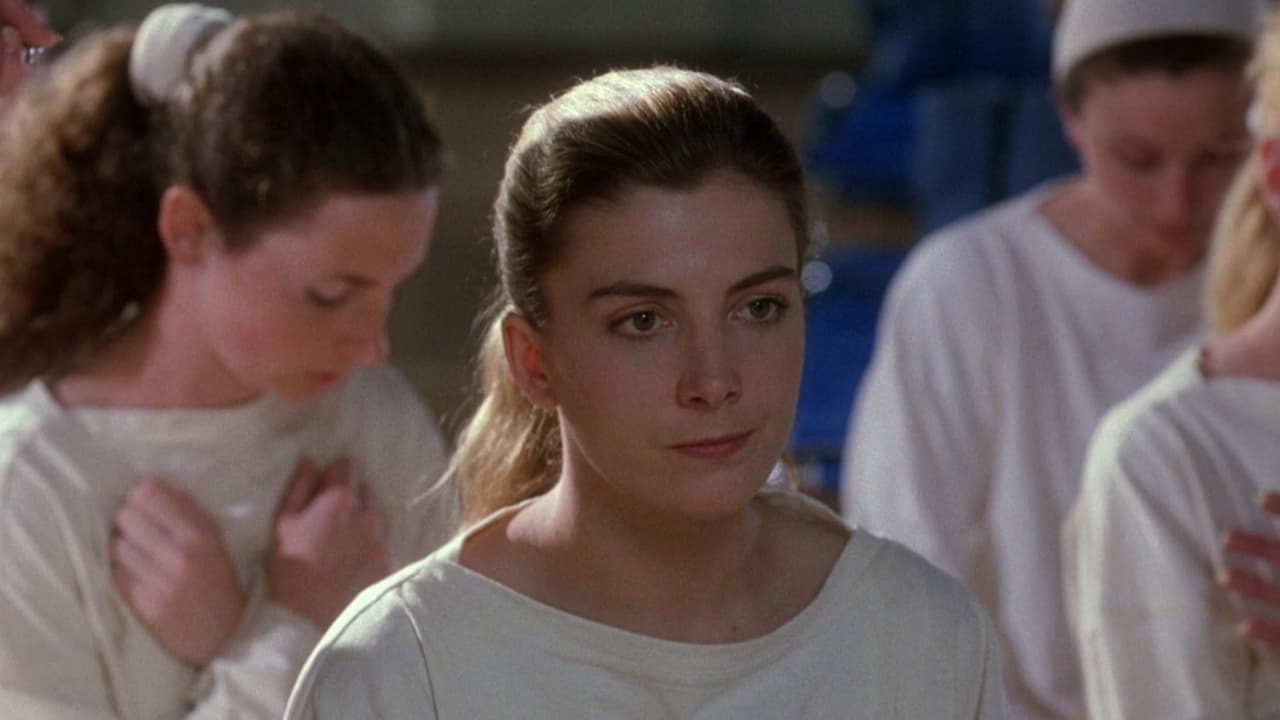
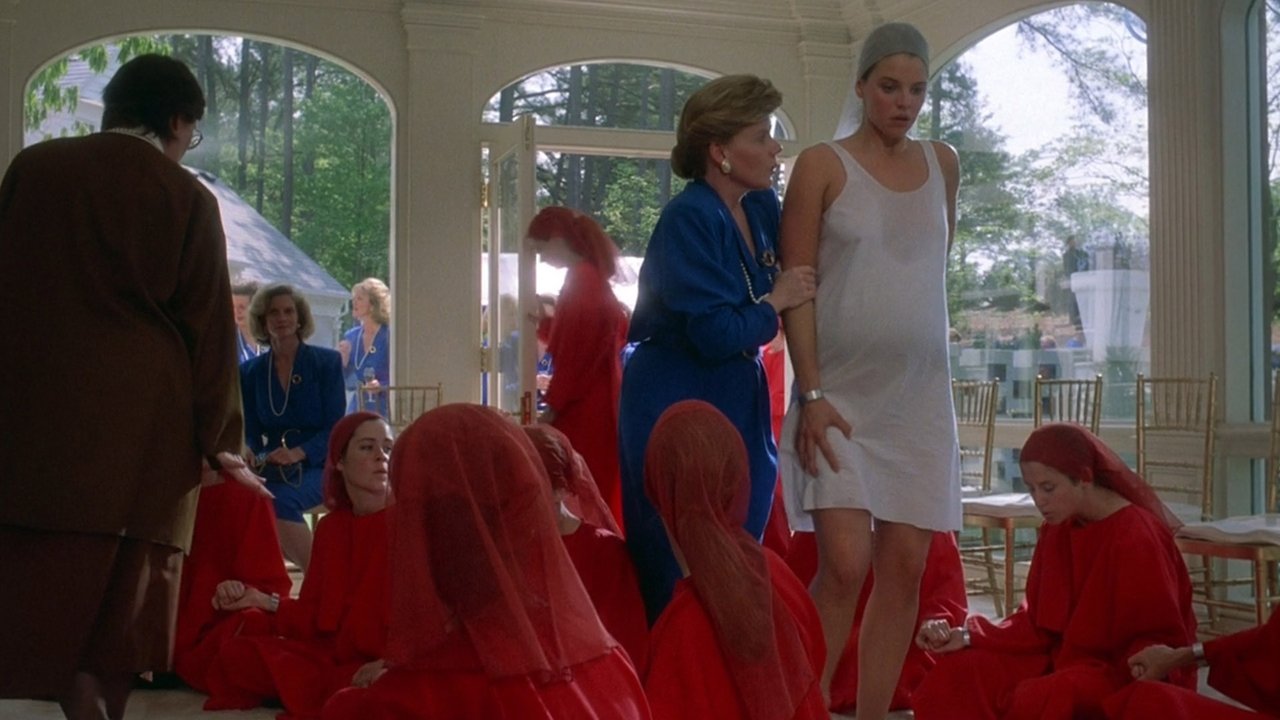
In 1990, the future apparently looked like a very expensive, very beige department store. While Margaret Atwood’s source material is visceral and terrifying, this adaptation struggles with a visual language that feels more like a late-night cable drama than a totalitarian nightmare. The sets are sparse and the costumes lack the oppressive weight that modern viewers expect from Gilead. If you’re coming to this after seeing the story's massive influence on pop culture over the last decade, the visuals here will feel jarringly polite. It’s hard to feel the walls closing in when the world looks like an over-lit corporate retreat.
A script that misses the mark
The movie tries to condense a complex internal monologue into a standard runtime, and in the process, it loses the psychological claustrophobia that makes the story work. Critics on Rotten Tomatoes were largely unimpressed, and the middling scores on Letterboxd and IMDb reflect a film that doesn't quite know if it wants to be a prestige drama or a B-movie shocker. It lands somewhere in the middle: forgettable.
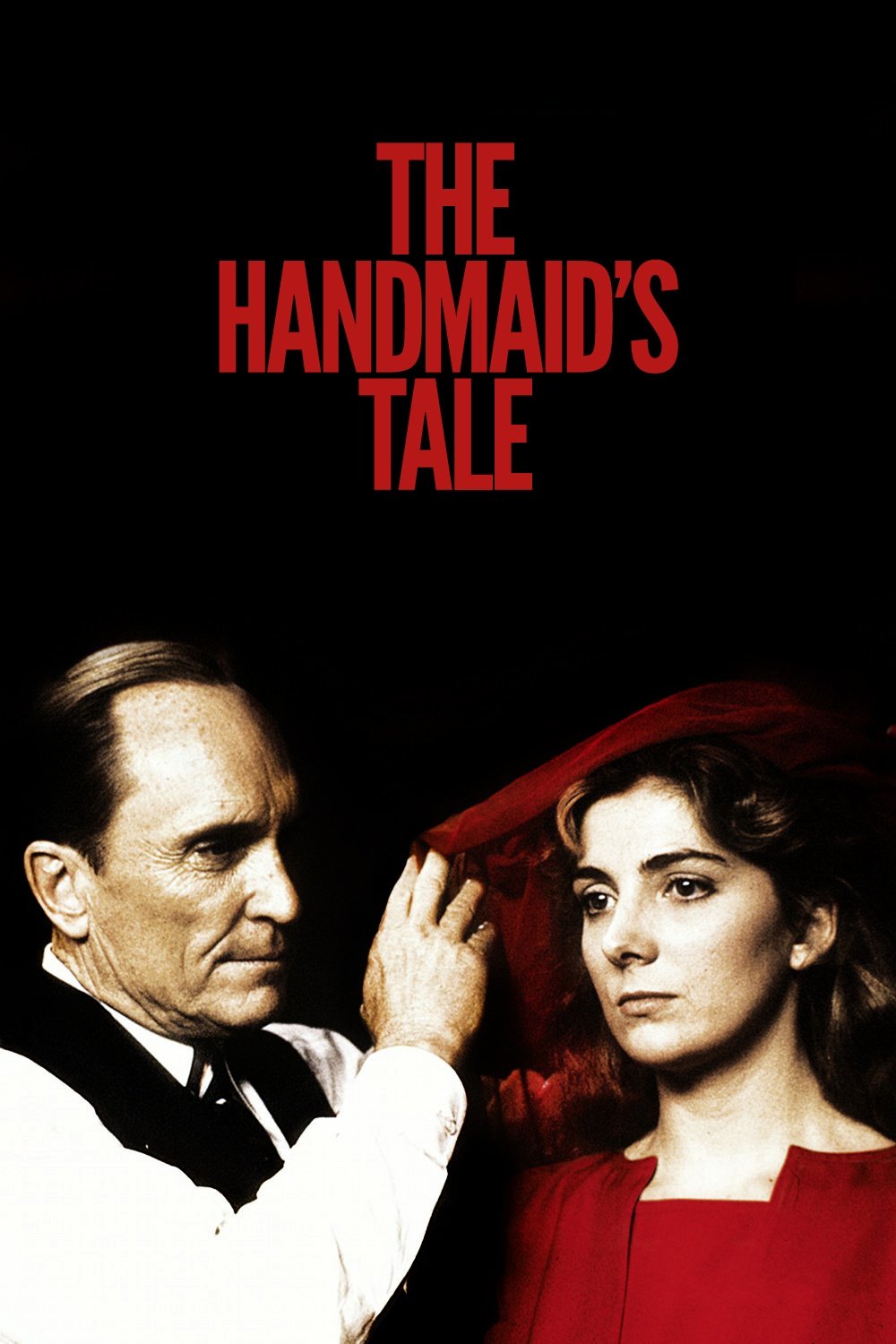
The cast does what they can with the material. Natasha Richardson brings a genuine vulnerability to Offred, and Faye Dunaway is reliably chilling, but the screenplay doesn't give them enough room to breathe. The dialogue often feels stiff, turning what should be a terrifying reality into something that feels like a staged play. The tension never quite ratchets up to the level the subject matter demands.
The comparison game
If your teen is reading the book for school, this version is an interesting artifact rather than a definitive adaptation. It’s useful for a "compare and contrast" exercise regarding how different eras imagine the end of the world. In 1990, the threat felt cinematic and distant. Today, the story feels much closer to the bone. Seeing how the production handles the "Ceremony" and the public executions with a weird, clinical detachment highlights how much our collective anxiety about these themes has evolved.
Unless you are a die-hard fan of the cast or an Atwood completionist, this is a skip. The movie exists in the shadow of its own source material and its much more successful television successor. If you want the real gut-punch, stick to the page. It’s a curiosity for the "where were you in 1990?" crowd, but for everyone else, it’s just a diluted version of a much more powerful story.