The 'Plastics' of 2026
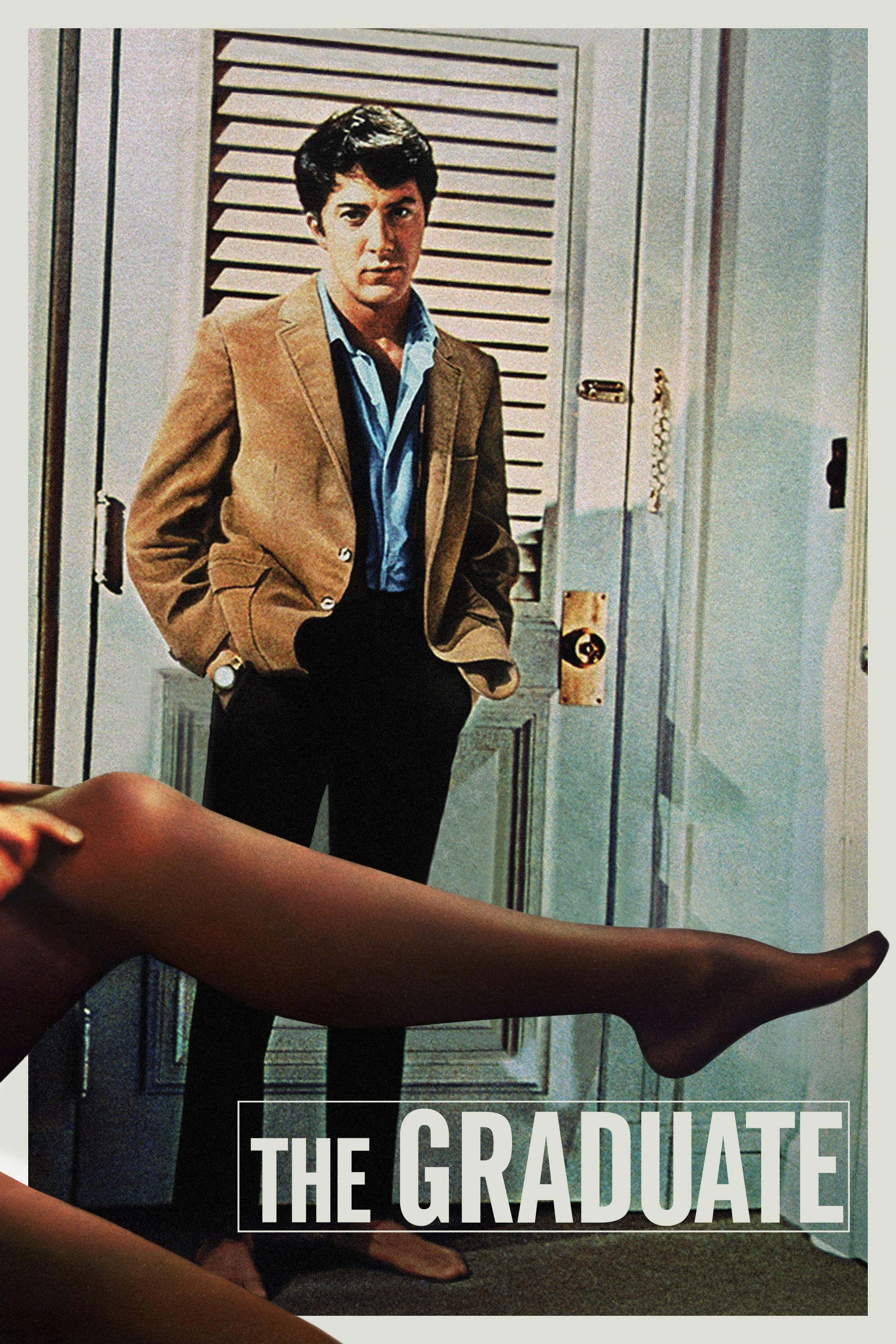
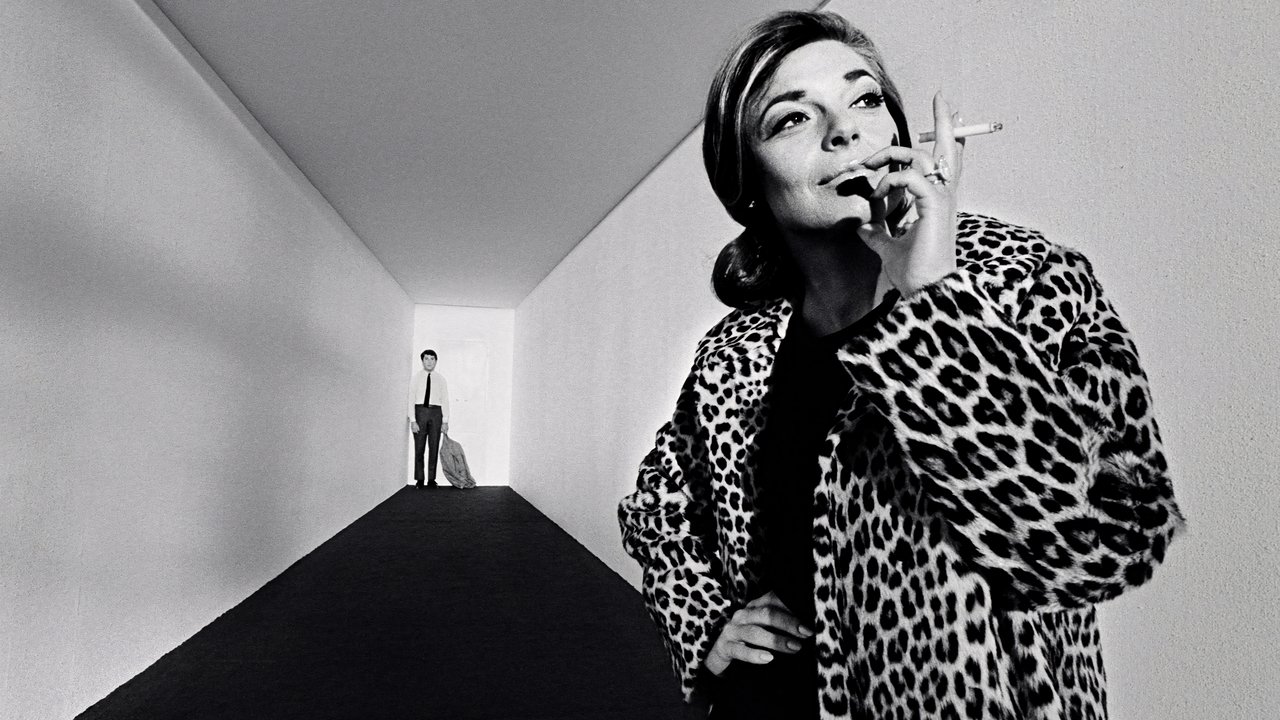
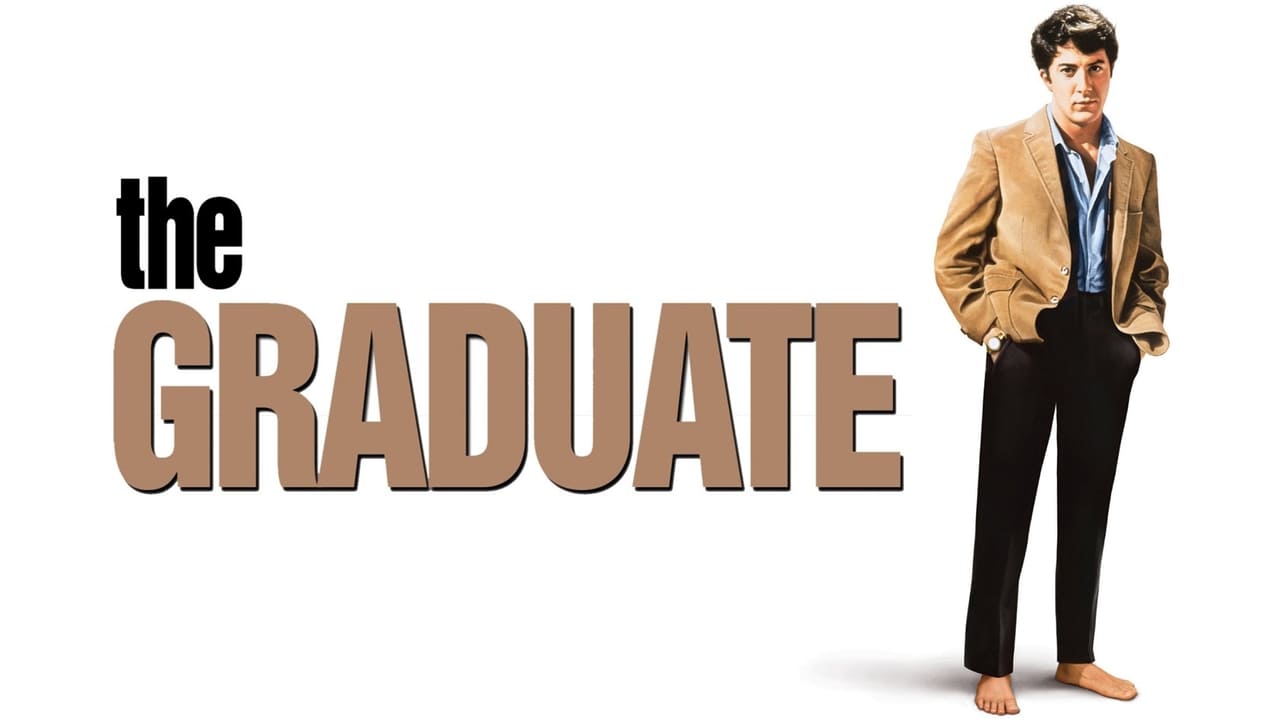
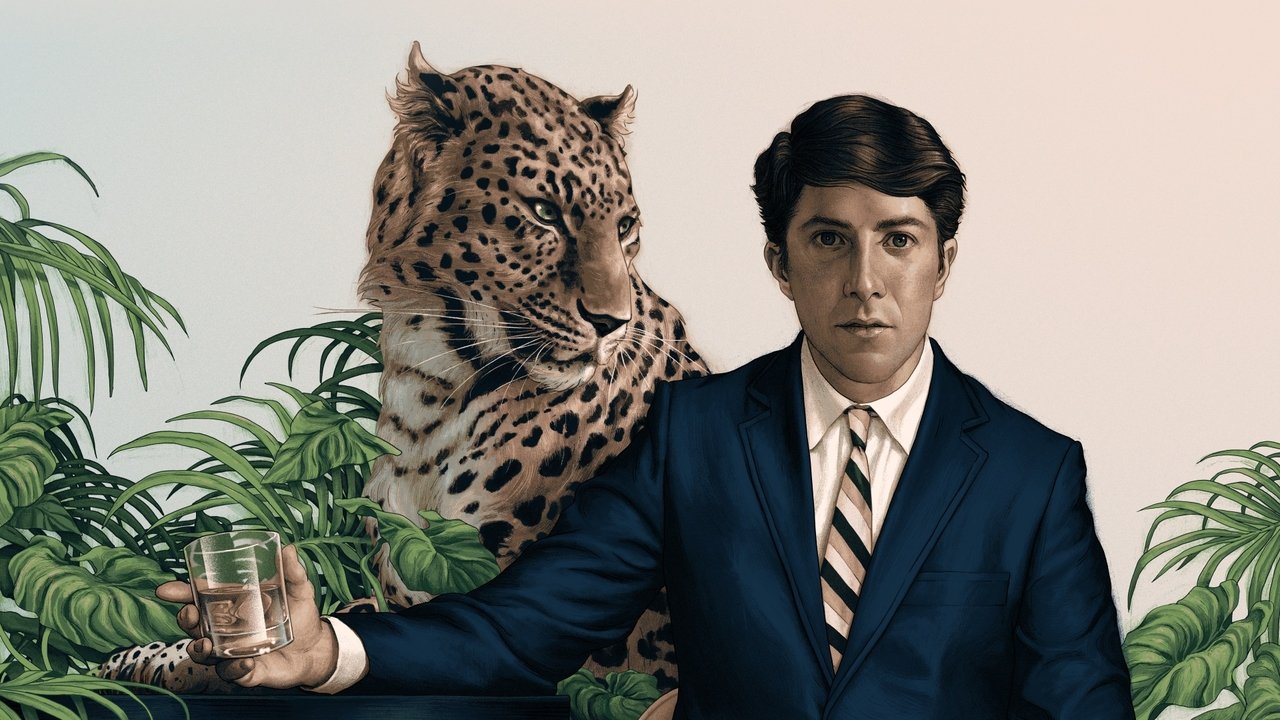
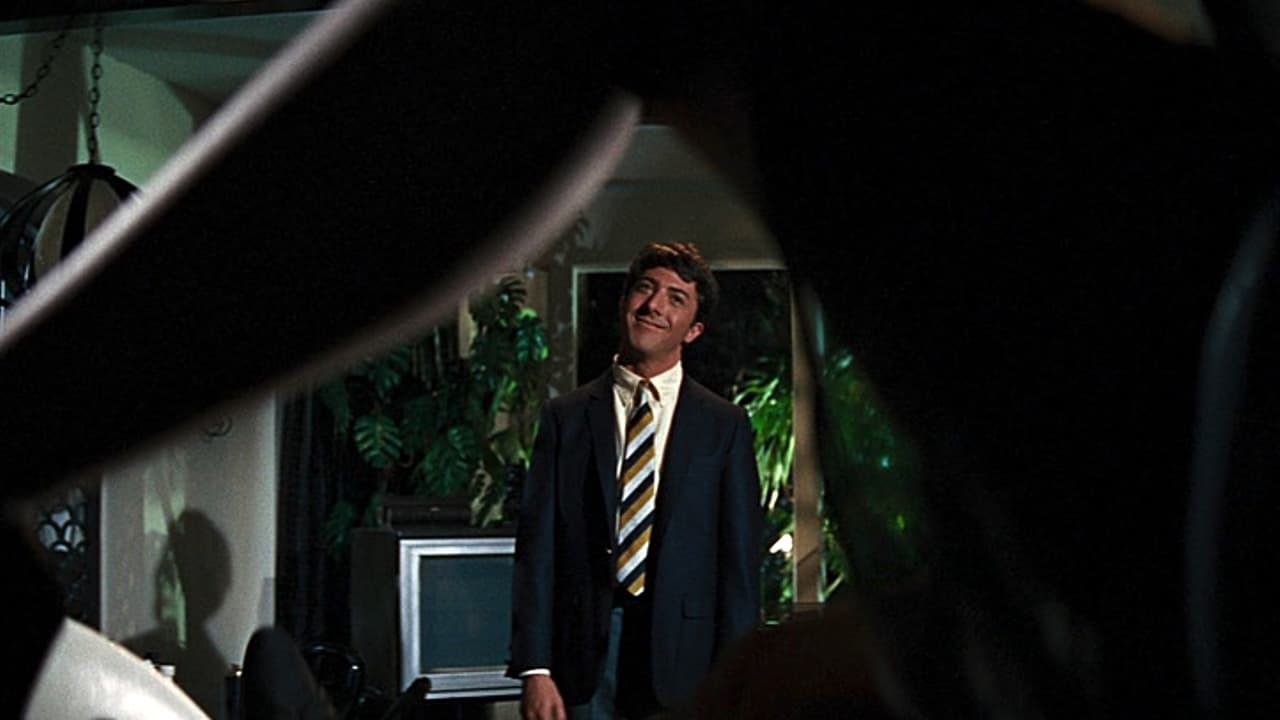
When The Graduate hit theaters in 1967, it was a lightning bolt. It captured a specific kind of American malaise that hadn't been seen on screen: the realization that the 'perfect' life your parents built for you might actually be a prison.
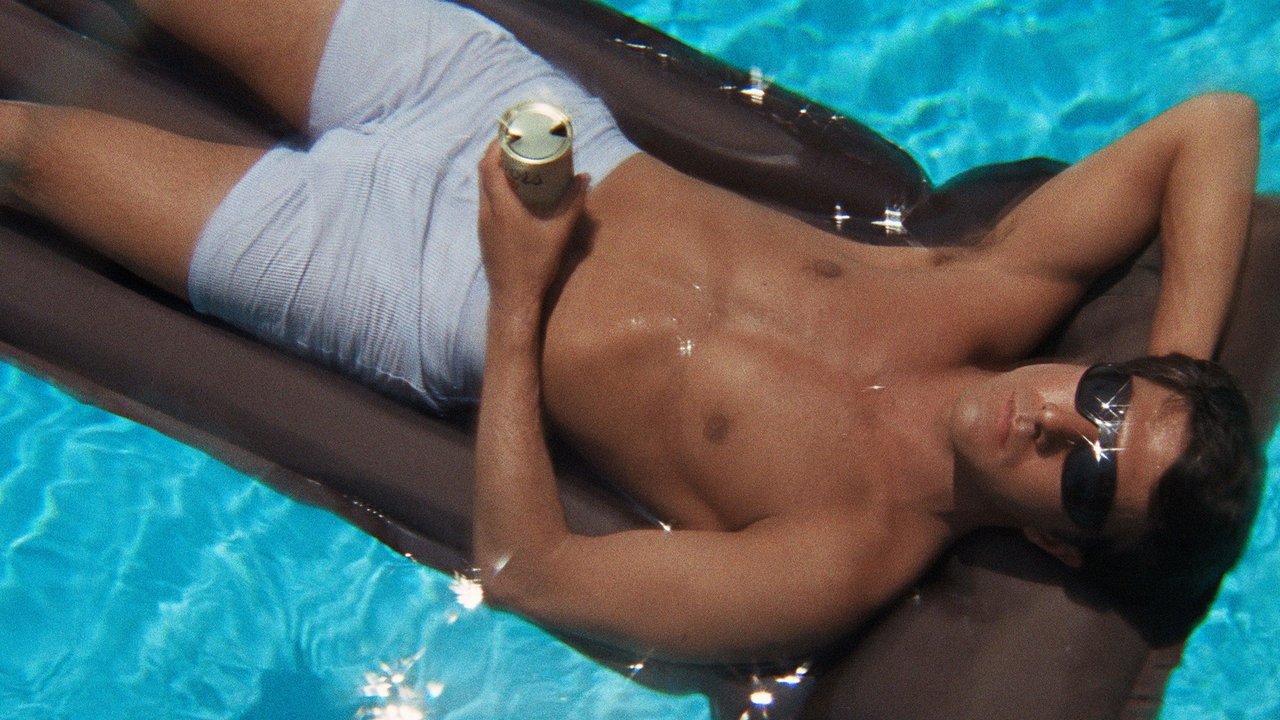
Benjamin Braddock is a track star, an award-winner, and a college grad, yet he spends his summer floating in a pool because the alternative—joining the 'plastics' industry and the cocktail party circuit—feels like death. For modern kids who have been on the resume-building treadmill since middle school, that feeling of 'is this all there is?' hits surprisingly hard.
Why it still works
Unlike many movies from the 60s that feel like stage plays caught on film, Mike Nichols directed this with a kinetic, almost music-video energy. The way the camera lingers on Benjamin’s face while Simon & Garfunkel’s The Sound of Silence plays isn't just 'old movie' filler; it’s a direct line into his anxiety.
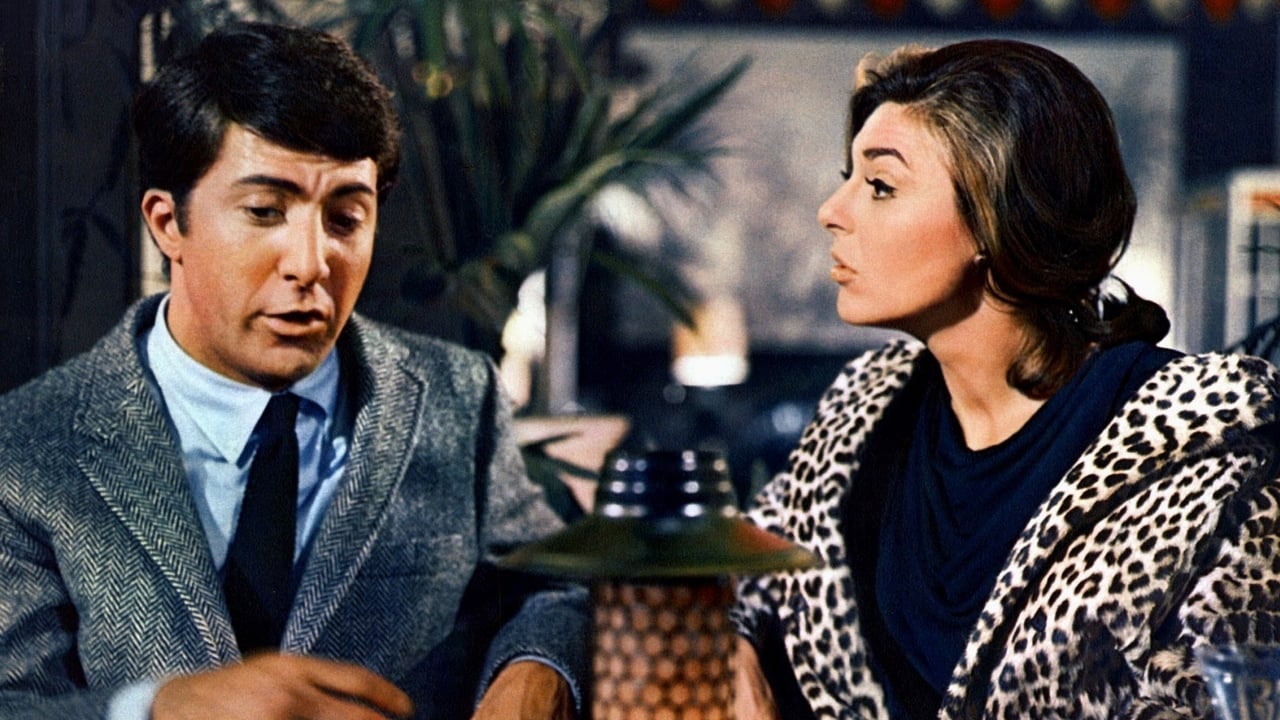
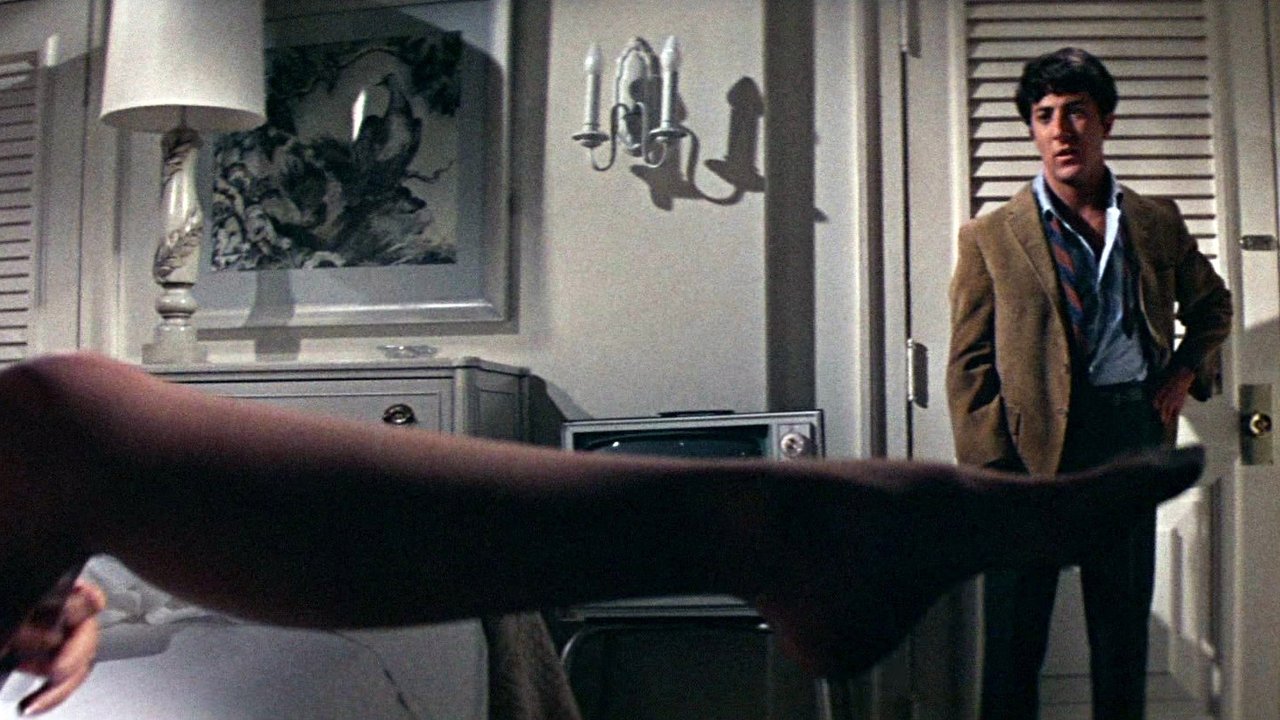
It’s also surprisingly funny. The awkwardness of the hotel check-in and the scuba suit scene are genuinely comedic, even by 2026 standards. It’s a movie that understands that being young and lost is both a tragedy and a bit of a joke.
The Ending Trap
One thing to talk about with your kid: the ending. For decades, people have used the final scene as a symbol of romantic rebellion. But if you watch their faces once they actually get on the bus, the adrenaline fades, and reality sets in. They have no plan. They barely know each other. They’ve just blown up their lives. It’s one of the most honest endings in cinema because it admits that 'running away' is the easy part—the bus ride is where it gets complicated.