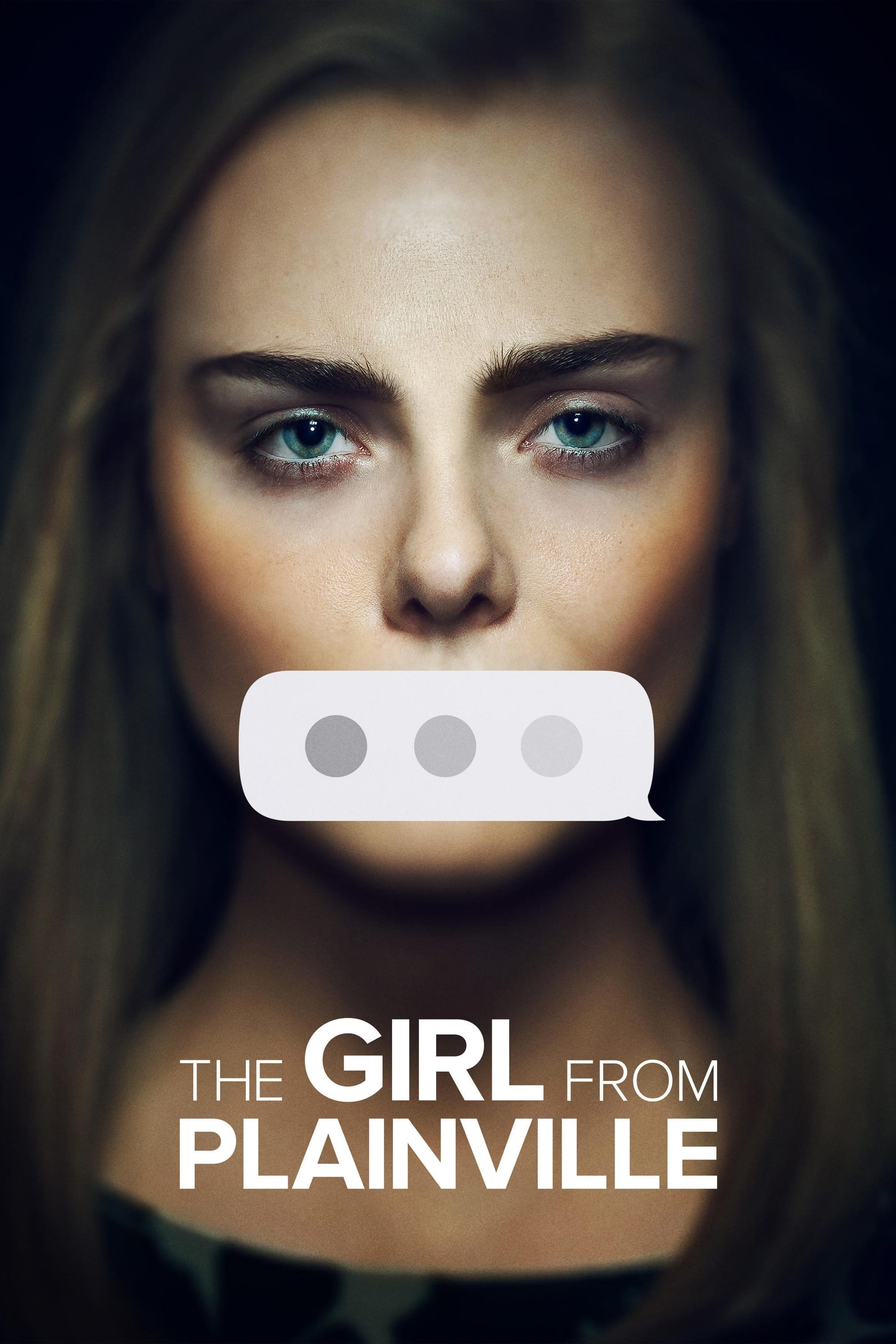
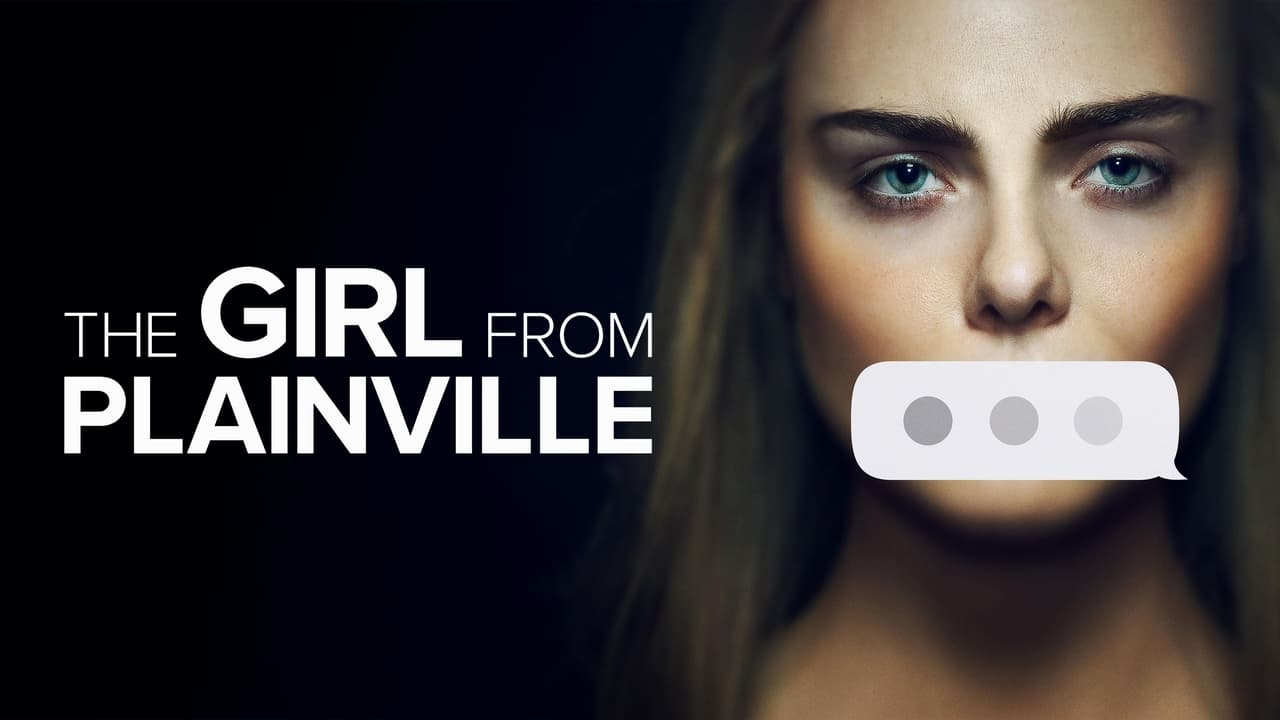
The Girl from Plainville is less about a crime and more about the terrifying power of digital co-dependency. In the real 2014 case, the media painted Michelle Carter as a 'black widow' figure. This show, however, takes a much more nuanced—and arguably more frightening—approach. It suggests that Carter wasn't a mastermind, but a deeply troubled girl who got lost in a narrative of her own making.
The Fantasy of the Feed
One of the most effective creative choices is how the show handles the texting. Instead of just showing bubbles on a screen, the show places the two leads in the same room. They look at each other, they touch, they talk—but it's all a representation of their digital connection. This perfectly illustrates how 'real' an online relationship can feel to a teenager, often carrying more weight than their physical reality.
Pop Culture as a Script
The show also highlights how Michelle Carter used media—specifically the show Glee—to script her own life. She mimics Lea Michele’s performances and dialogue to process her own grief. It’s a stark reminder of how influencers and media don't just entertain kids; they provide the vocabulary for their emotional lives.
If you're a parent, this show is a window into the 'lonely together' phenomenon. It’s a cautionary tale not just about 'bad people' online, but about how isolation and a smartphone can create a feedback loop that leads to a place no one can escape from.