Spycraft Without the Hollywood Armor
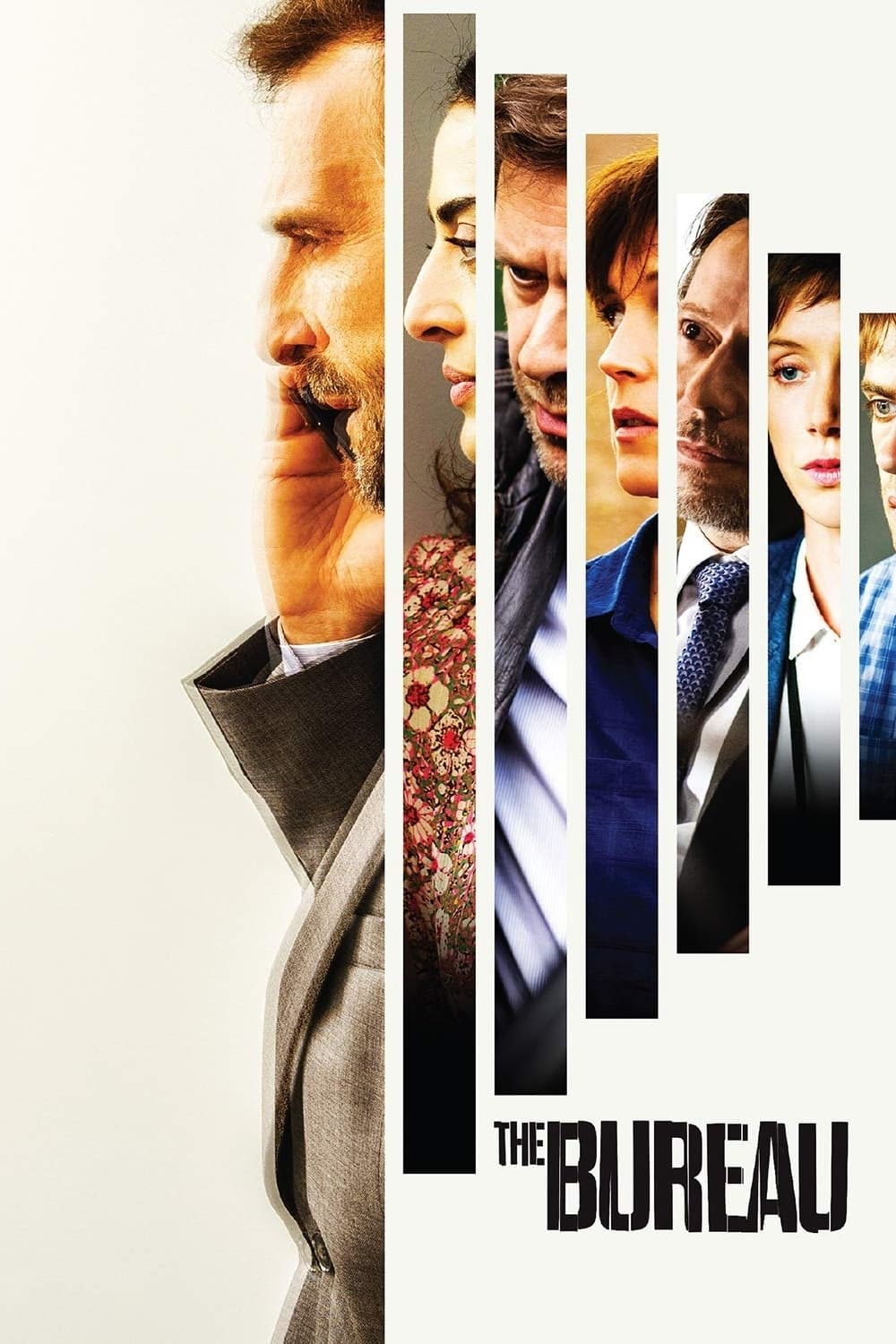
Most modern espionage television operates on adrenaline. Someone punches a guard, downloads an entire mainframe onto a glowing flash drive in five seconds, and jumps off a parking garage into a helicopter. The Bureau does the exact opposite. Its tensest scenes happen in small, windowless rooms in Paris where analysts stare at satellite feeds, compare passport stamps, and debate whether an agent in Damascus has been burned.
Created by Éric Rochant, the series focuses on the DGSE's Department of Legends, the wing responsible for training and running deep-cover French agents operating abroad under fabricated lives. When Guillaume Debailly (code name Malotru) returns to Paris after six years undercover as an English teacher in Syria, he violates the first rule of clandestine work: he doesn't dismantle his alias. The fallout ripples across the Middle East, Russian intelligence desks, and Parisian secure facilities.
Why It Works for Older Teens
If you have a high schooler taking European history, French, or international relations, this is essential viewing. It treats its audience like adults who can track complex diplomatic stakes without a narrator explaining them.
- Subtitles require real attention. Because it is primarily in French with significant dialogue in Arabic, Russian, and English, nobody can scroll their phone while watching. You are either watching the tradecraft or you are lost.
- It respects the human cost. Most thrillers treat civilian assets as disposable plot devices. The Bureau spends entire multi-episode arcs agonizing over the psychological destruction inflicted on regular people recruited to spy for a foreign government.
Pair it with older geopolitical fiction like John le Carré's Tinker Tailor Soldier Spy to compare how Cold War espionage methods shifted into the modern, algorithmic surveillance age.