A Lesson in Storytelling as Survival
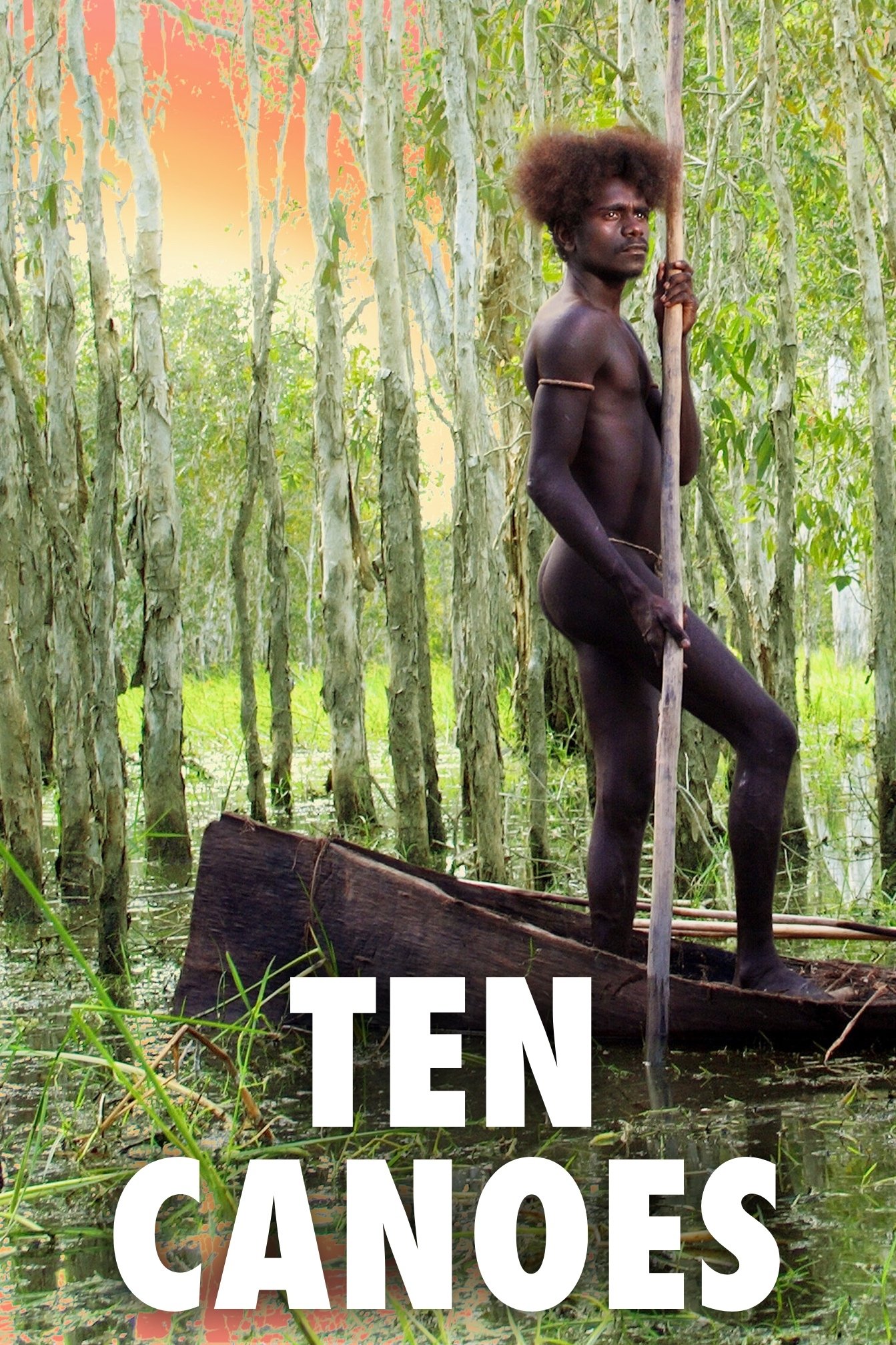
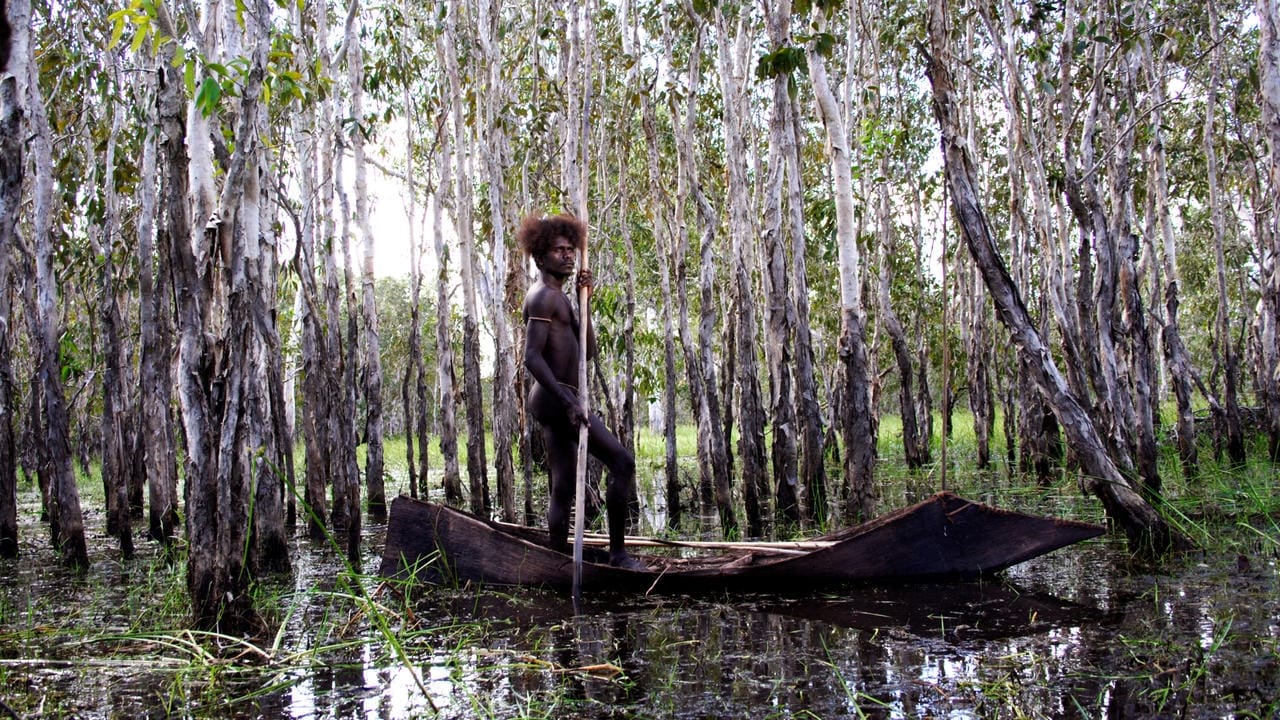
Set in the Arafura Swamp of Arnhem Land, Ten Canoes operates on three distinct visual and narrative planes. In black-and-white, ten men build bark canoes for a magpie goose hunt in the early 20th century. Among them, an elder notices a younger man eyeing his third, youngest wife. To heading off disaster, the elder begins telling a story set in the mythical color-drenched past—a tale of another young man, another older brother, and the chaotic chain reaction triggered by unbridled jealousy.
Co-directed by Rolf de Heer and Yolngu co-creator Peter Djigirr, the film avoids the solemn, museum-like tone that often traps historical Indigenous cinema. Instead, it relies on raucous communal humor, bathroom jokes, and practical banter. The characters tease each other relentlessly while navigating hard realities: food gathering, sorcery accusations, and the precise mechanics of customary law.
Handling the Content and Pacing
For parents considering this for older teens, two factors dominate the decision. First, the entire cast is dressed in authentic pre-contact Yolngu fashion, which means non-sexual full-frontal nudity is on screen continuously. Second, the film treats customary tribal punishment realistically. A mistaken identity leads to a spear death, which demands an organized 'payback' ceremony where the wrongdoer must dodge dozens of thrown spears.
If your teenager can look past modern media conventions and engage with subtitled, slow-burn storytelling, Ten Canoes offers a magnificent crash course in cultural anthropology and the mechanics of oral tradition.