The Definitive Party Game
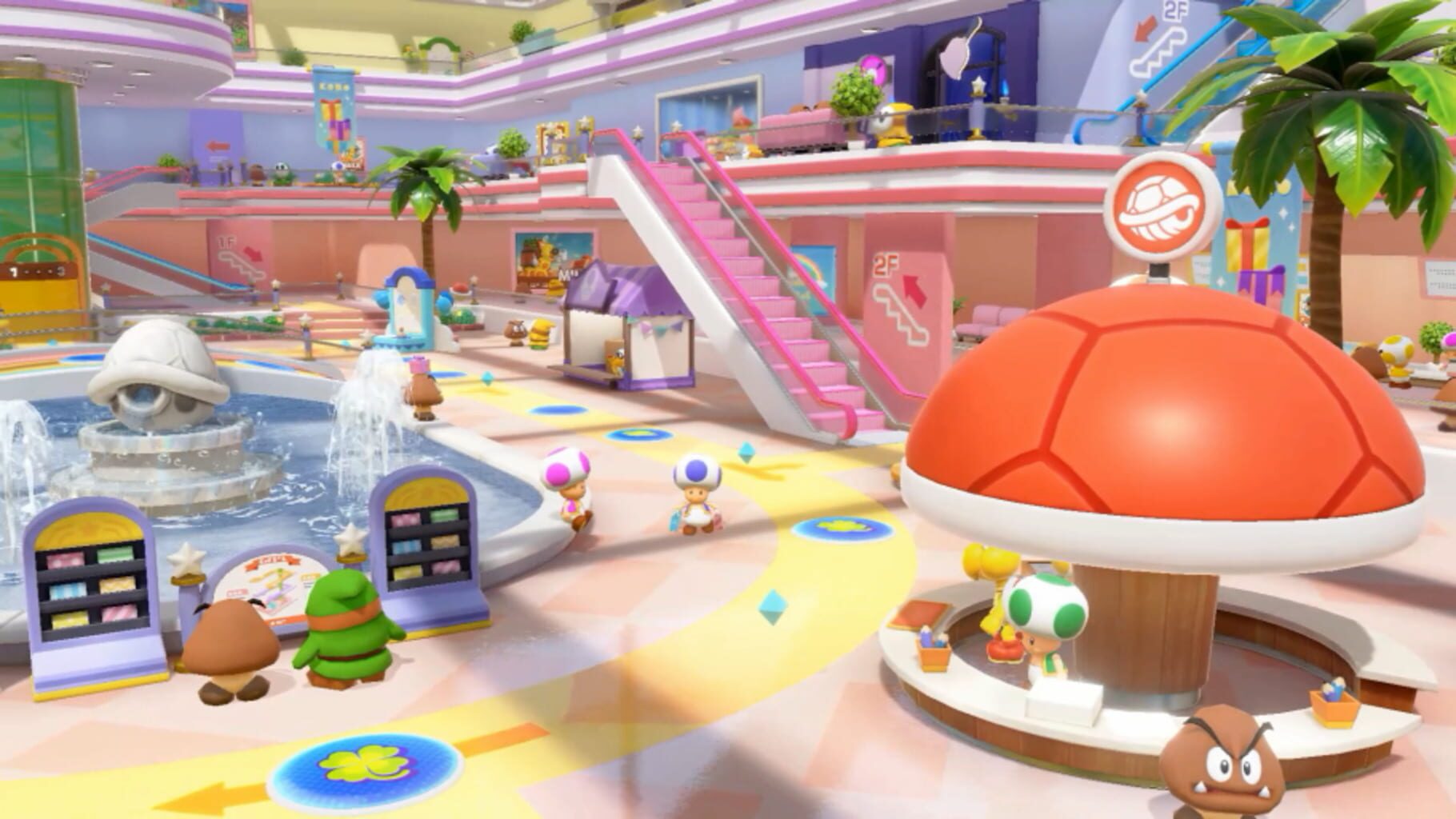
After a few years of Nintendo playing it safe with smaller rosters and fewer boards, Jamboree feels like the developers finally let the brakes off. The sheer volume of content is the headline here. Seven boards is a massive step up from previous Switch entries, and the inclusion of remastered classics like Mario’s Rainbow Castle makes this feel like a celebration of the series' 25-year history.
Motion vs. Pro Controls
one of the smartest moves here is the separation of playstyles. If you have a kid who loves the tactile, Wii-era feeling of swinging a controller like a golf club, there are entire modes dedicated to that. If you’re a purist who wants to sit on the couch with a Pro Controller and focus on board strategy, you can toggle the motion-control minigames off. This makes it much more accessible for different motor-skill levels and hardware setups.
The Koopathlon Twist
The new 20-player Koopathlon mode is a significant shift for the series. Instead of the stop-and-start nature of a board game, it’s a continuous race where your performance in minigames directly translates to your speed on the track. It removes the 'waiting for your turn' friction that often causes younger kids to check out and start scrolling on a second screen. It’s fast, chaotic, and feels much more like a modern 'Battle Royale' while staying firmly in the G-rated Mario lane.
A Lesson in Resilience
Let's be real: Mario Party can be mean. It is a game designed to pivot on a dime, often rewarding the person in last place with a game-changing item or star. While this can lead to some pouting, it's actually one of the best 'low-stakes' ways to practice losing gracefully. Because the game is so colorful and fast-paced, the sting of a loss usually fades by the time the next minigame starts. It’s a great pick for families who want to engage in a shared digital activity that requires more than just passive watching.