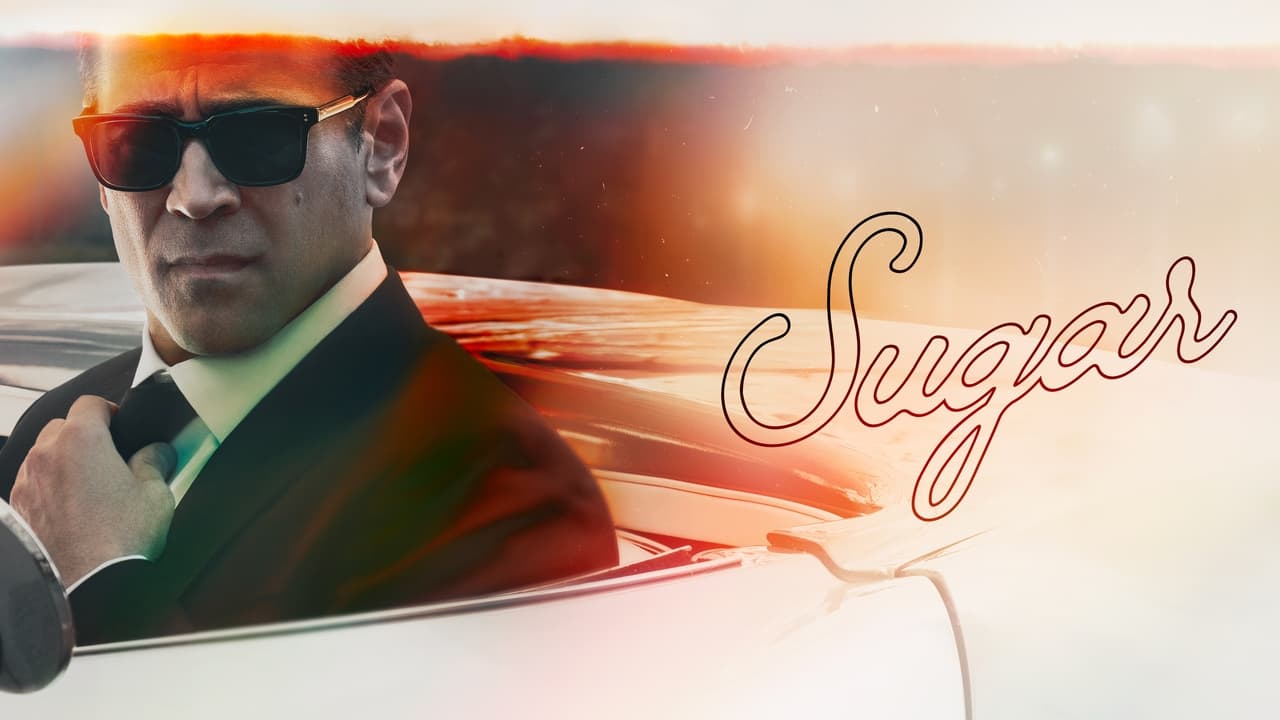
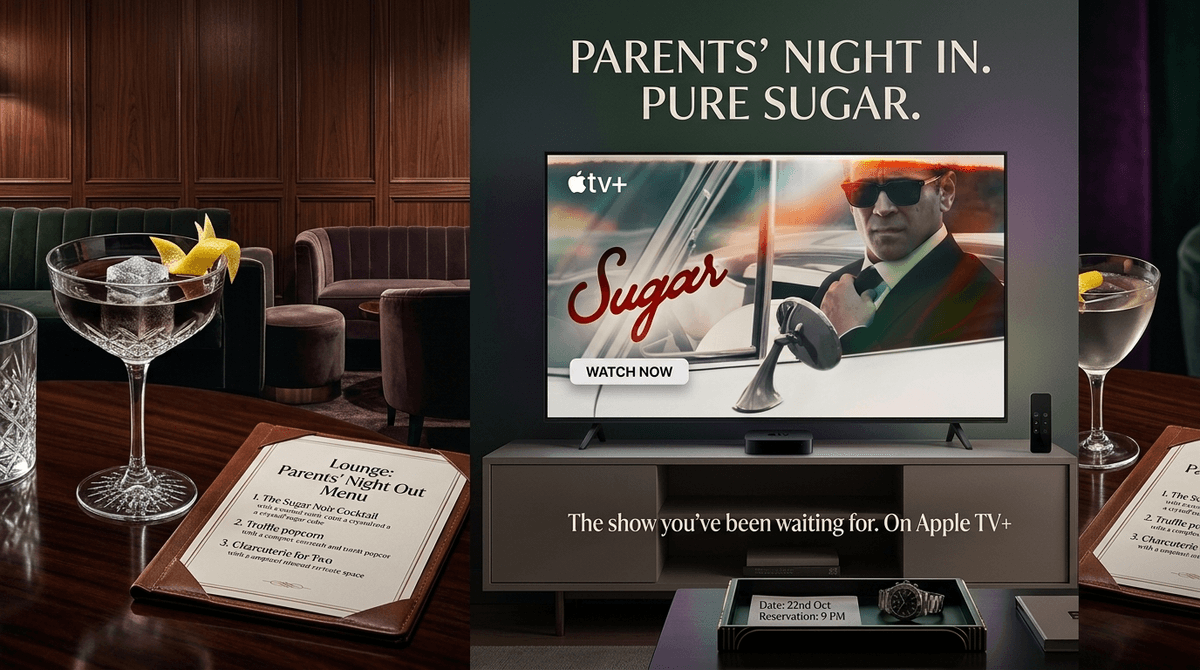
The Noir That Wasn't
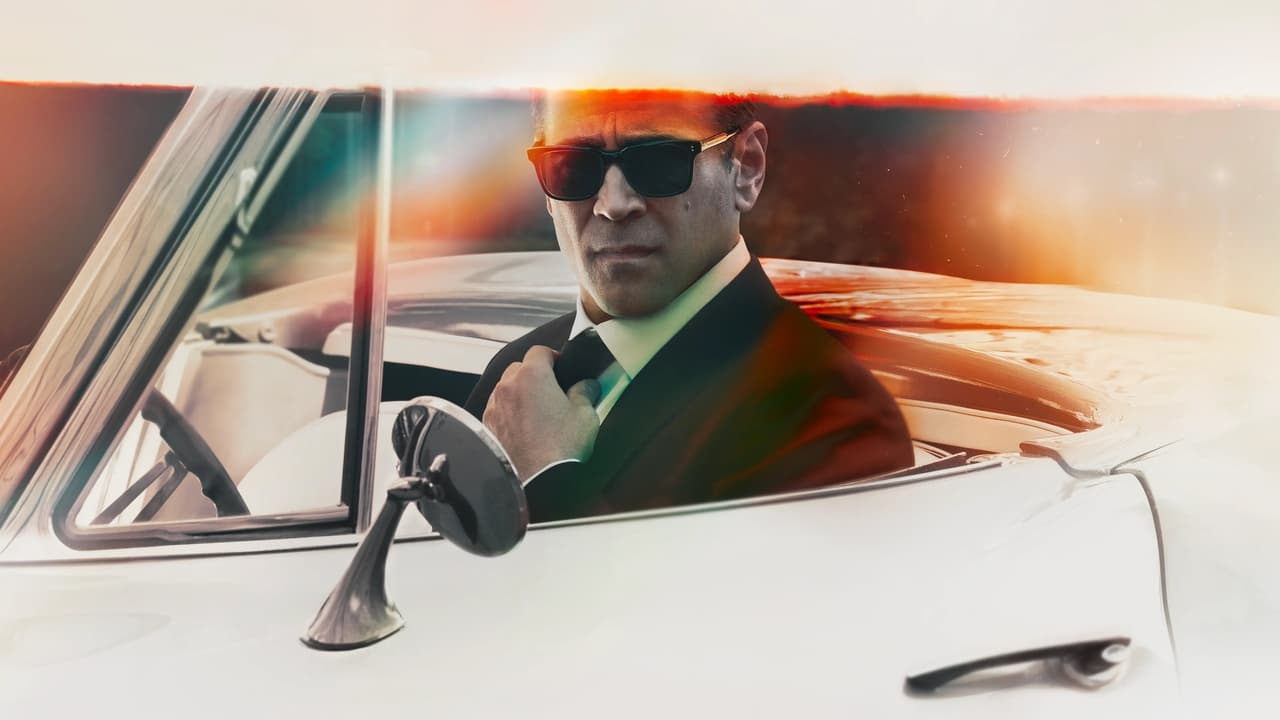
When Sugar first dropped in 2024, everyone thought they were getting a standard, albeit very stylish, private eye story. You've got the missing girl, the powerful Hollywood family with secrets, and the detective who drives a vintage car and speaks five languages. But creator Mark Protosevich and star Colin Farrell weren't interested in just playing the hits.
The show uses a fascinating editing technique, cutting in scenes from Bogart and Mitchum movies as if they are part of Sugar's own memory or subconscious. It’s a gimmick that actually works, grounding the show in the history of the genre while signaling that something is slightly off about our protagonist.
That Episode 6 Twist
We have to talk about the elephant in the room. About two-thirds of the way through the season, the show reveals its true nature. It’s a 'love it or hate it' moment that shifts the show from hard-boiled noir into high-concept sci-fi. For some, it ruins the grounded tension of the mystery; for others, it's a brilliant metaphor for the 'alien' nature of being a truly good person in a corrupt world.
If you're watching this with an older teen, it's a fantastic jumping-off point for a discussion about genre expectations and why we tell stories. But if you’re just looking for a straightforward detective show, you might find yourself feeling a bit cheated by the finale.
Visuals and Vibe
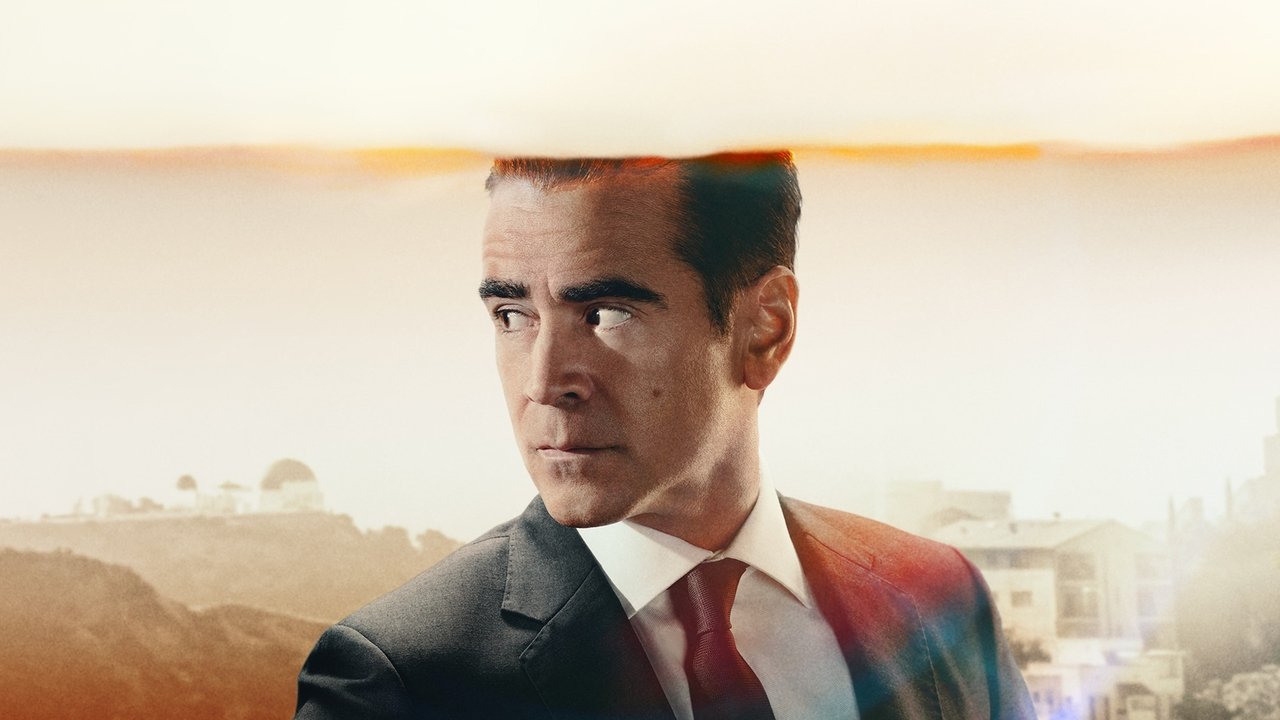
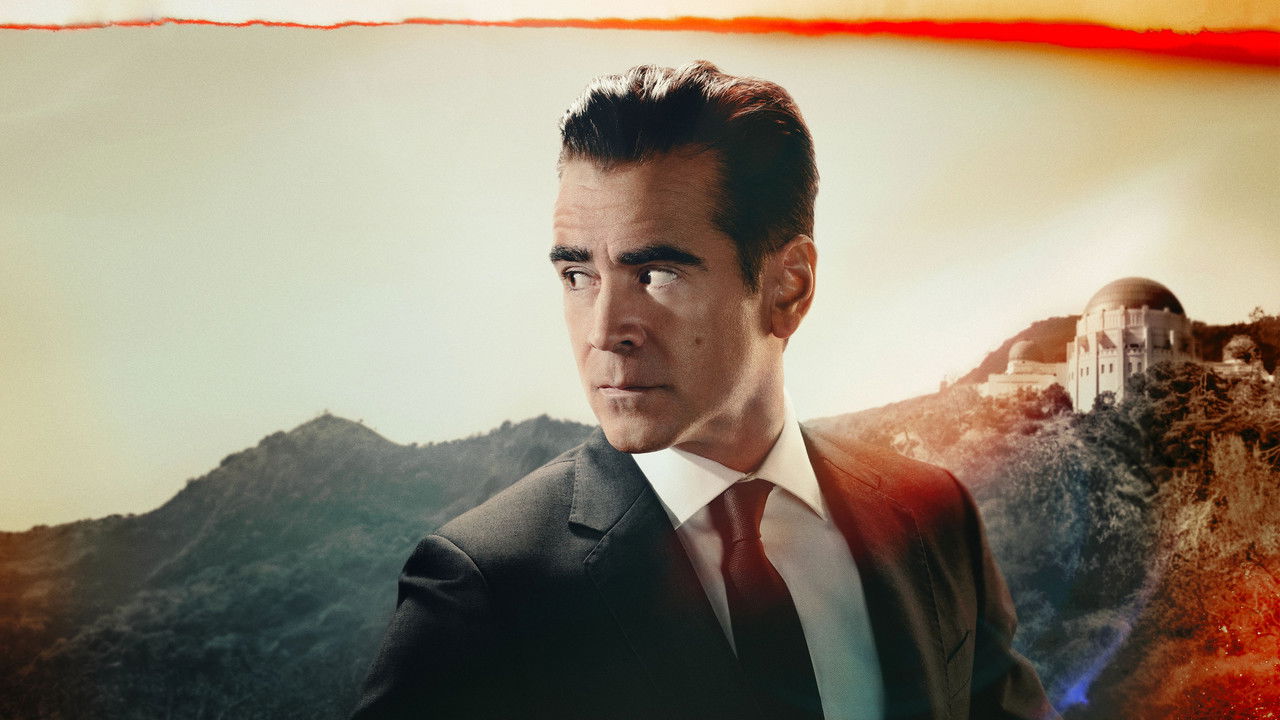
Regardless of how you feel about the plot, the craft is undeniable. The cinematography captures a version of LA that feels like a dream—or a nightmare, depending on the scene. It’s a high-water mark for Apple TV+’s 'prestige' aesthetic. Just be prepared for the violence to spike occasionally; when Sugar has to fight, he does it with a terrifying, efficient speed that contrasts sharply with his usual polite demeanor.