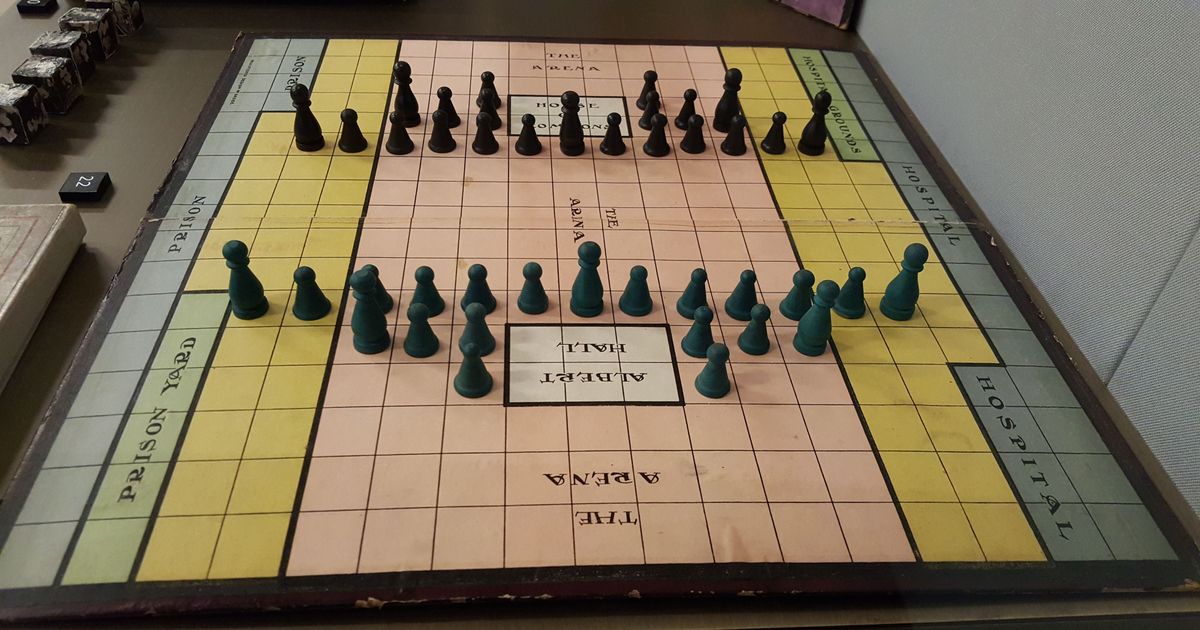
Suffragette: The Game (or Suffragetto) is the digital ghost of a 1909 feminist strategy game. It’s brilliant for what it is—a tactical logic puzzle about the fight for the vote—but don't expect it to compete with Minecraft for your kid's attention.
It’s a 'museum game.' It’s fascinating, intellectually stimulating, and safe as houses, but it’s definitely on the slower side. If you have a kid who likes strategy or you're doing a deep dive into history, it’s a total gem. If you’re looking for high-octane entertainment, this isn't it.
Age Fit
Best for ages 10 and up. Younger kids can handle the rules, but the historical weight and the 'dry' strategy might result in them closing the tab after five minutes. It's great for middle schoolers who like outsmarting their parents.
WISE Breakdown
Wholesome
85
It centers on a pivotal social justice movement. While it depicts conflict between activists and police, the tone is educational and focused on the tactical struggle for equality rather than gratuitous friction.
Imaginative
60
It’s a traditional strategy game akin to Chess or Checkers. It requires tactical foresight but doesn't offer the 'sandbox' creativity or world-building found in modern titles.
Safe
92
As a web-based recreation of a 1909 board game, it lacks the typical digital pitfalls like loot boxes, aggressive ads, or unmoderated social lobbies. It's a clean, focused experience.
Enriching
94
High marks for historical literacy and strategic thinking. It turns a dry history lesson into a functional logic puzzle that forces players to understand the stakes of the suffrage movement.
Parent Info
✓
Why It Might Be Great
It’s a playable time capsule that makes 1909 social history feel urgent and tactical.
Develops serious logic and spatial reasoning skills without the flashiness of modern 'brain games.'
It’s a rare game where the 'goal' is a major real-world civil rights milestone.
Completely free of the predatory monetization junk that clutters most kids' web games.
⚠
What to Watch For
The interface is pretty 'bare bones' and might feel clunky or boring to kids used to high-end graphics.
The 'Police vs. Suffragettes' dynamic needs a quick chat so kids understand the historical context of the protest.
Conversation Starters
"Why do you think the Suffragettes felt they had to make a board game to get people to listen?"
"Which side is harder to play? Does that tell us anything about how hard it was to change the law back then?"
"If you were making a game about a problem in the world today, what would the two sides be?"
"How is this different from a game like Chess or Checkers?"