The disaster movie director meets a civil rights milestone
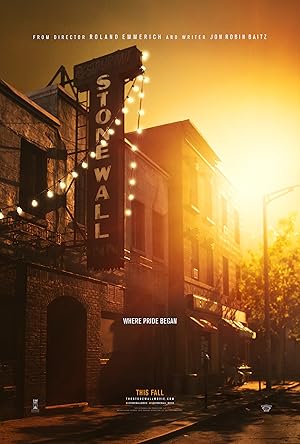
Roland Emmerich is the director you hire when you want to see the White House exploded by aliens or the world frozen over by a climate shift. Bringing that "disaster movie" sensibility to the 1969 Greenwich Village riots resulted in exactly what critics feared: a film that prioritizes big, sweeping cinematic tropes over the messy reality of the people who were actually there.
Critics at Vulture and Vanity Fair were particularly brutal, calling the film "offensively terrible" and a "mess of history." When a movie hits a 9% on Rotten Tomatoes, it’s usually because it failed as a piece of entertainment. Here, the failure is more specific. It takes one of the most diverse, radical moments in American history and filters it through the eyes of a fictional, square-jawed white protagonist from the Midwest.
Why the audience score tells a different story
The massive gap between the 9% critic score and the 84% audience score on Rotten Tomatoes is where things get interesting for a parent. If you look at the user reviews on IMDb or Metacritic, the people who liked this movie weren't watching it for a history lesson. They were watching it as a coming-of-age drama.
As a standalone story about a kid getting kicked out of his house and finding a chosen family in New York, it hits all the familiar emotional beats. Some viewers highlighted Jonny Beauchamp’s performance as Ray as a standout. If your teen is just looking for a "struggling teen finds himself" story, they might actually enjoy the watch. But as a parent, you have to decide if you're okay with them learning a warped version of history in exchange for a few emotional scenes.
The "white savior" friction
The core of the backlash—and the reason activists called for a boycott—is the erasure of the actual leaders of the Stonewall uprising. By centering a fictional character named Danny, the film pushes real-life icons like Marsha P. Johnson and Sylvia Rivera to the periphery.
This isn't just a "liberal arts college" complaint; it’s a functional problem with the movie’s DNA. When the film depicts the famous "first brick" thrown at the riots, it gives that moment to the fictional white lead. For anyone who knows the history, it feels like malpractice. If your teen watches this, they will walk away thinking the gay rights movement was started by a clean-cut white boy who just happened to be in town.
How to use this movie (if you must)
If you decide to stream this on Hulu or HBO Max, don't let it be the final word. Use it as a "spot the difference" exercise. This is a prime opportunity to talk about how Hollywood sanitizes history to make it more "palatable" for a general audience.
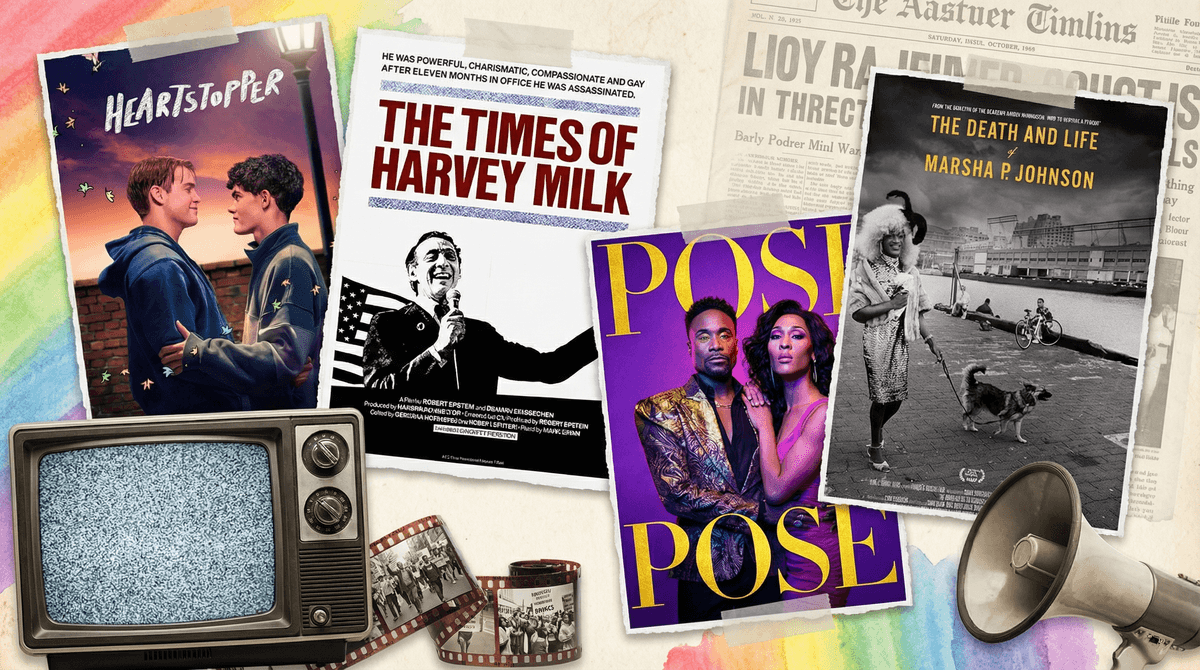
You can find much better context in our guide on LGBTQ+ History on Screen: What Parents Need to Know, which covers how to find media that actually centers the people who lived these stories. If your kid is interested in the 1960s or civil rights, pair this movie with a documentary or a verified account of the riots. Seeing the gap between the "Hollywood version" and the actual activists is a great lesson in media literacy that sticks much better than a textbook.