The 12-Episode Rule
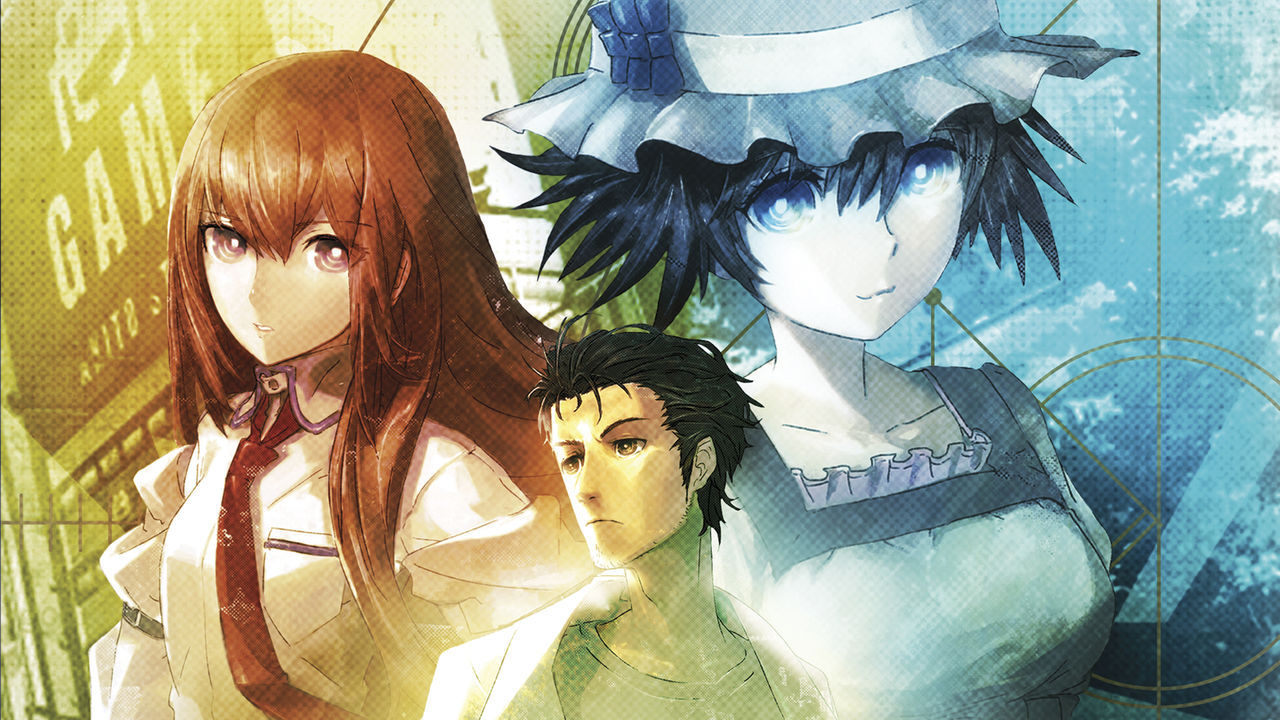
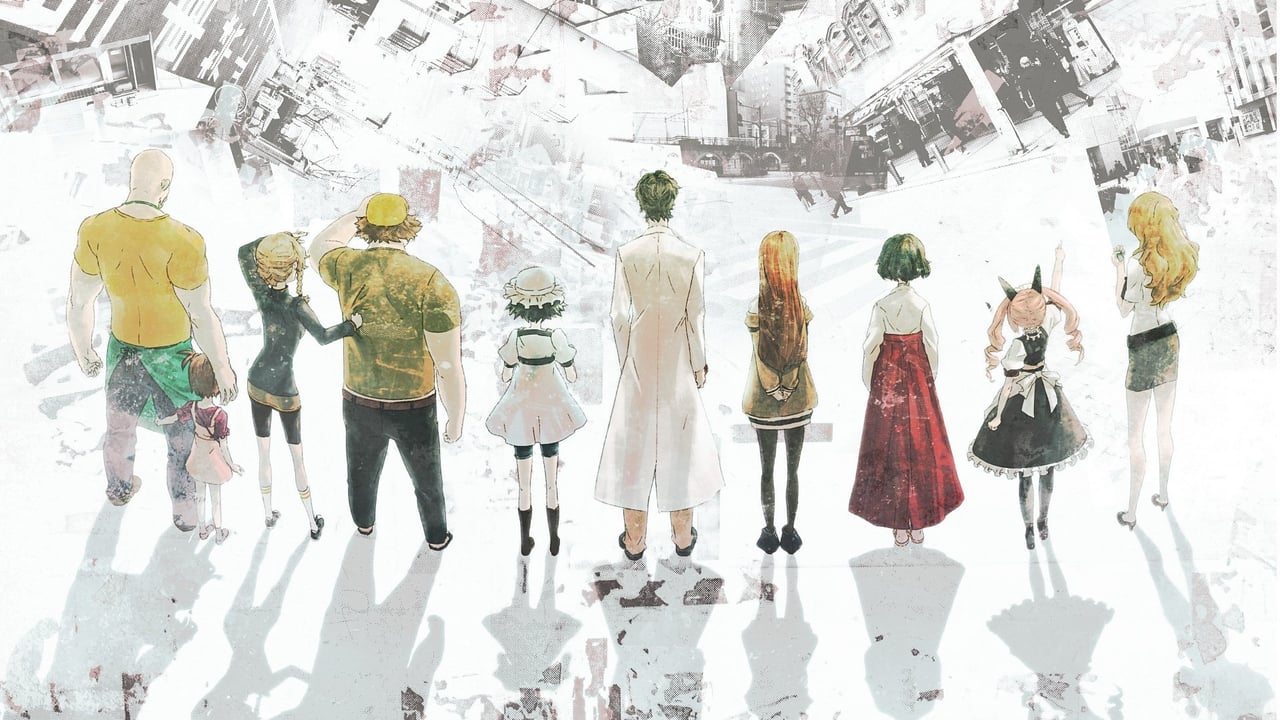
If you start Steins;Gate with your kid, you need to make a pact: don't judge the show until you hit episode 13. The series is famous for its 'mid-season flip.' For the first dozen episodes, it feels like a slice-of-life comedy about Rintaro Okabe—a guy who calls himself 'Hououin Kyouma' and talks to his turned-off cellphone—and his eccentric friends. They’re just hanging out in a dusty apartment in Akihabara, messing with a microwave.
Then, the consequences of their meddling with time actually arrive, and the show transforms into a desperate, high-stakes race against fate. It stops being about 'what if we could send a text to the past?' and starts being about 'how do I live with the fact that I just accidentally erased my friend’s happiness?'
Real Science (Sort Of)
The show leans heavily on real-world urban legends and physics concepts. It references John Titor (the real-life 2000s internet mystery), the Large Hadron Collider, and the 'butterfly effect.' It’s the kind of show that makes you want to go down a Wikipedia rabbit hole about world lines and attractor fields. For a kid interested in STEM or logic puzzles, it’s a feast.
The 'Otaku' Factor
One thing to be aware of: the show is set in the heart of Japan's geek culture. This means there’s a fair amount of 'moe' pandering and some jokes that lean into the 'creepy nerd' stereotype. Daru, the group's hacker, is the main offender here, frequently making sexualized comments that feel out of place once the show gets serious. It’s not enough to ruin the experience, but it’s a clear reminder that this was written for an older teen/adult audience in the early 2010s. If you can navigate that, you’re in for one of the most rewarding narrative payoffs in the genre.